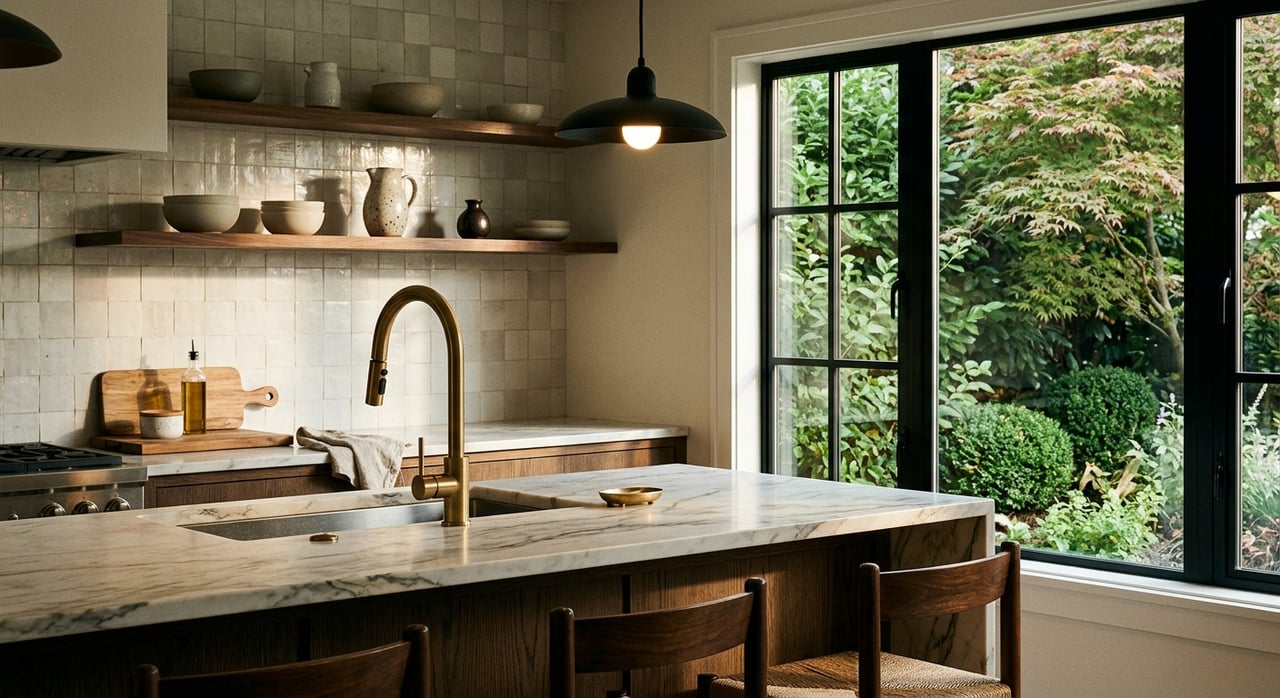
What Peachtree Hills Renovation Buyers Should Know
May 21, 2026
May 21, 2026
Thinking about buying in Peachtree Hills so you can make a house your own? You are not alone. This neighborhood’s appeal often comes from its older homes, mature trees, and lot character, which can make renovation feel less like a compromise and more like the point. If you want to buy smart, you need to know where charm creates opportunity and where it can add cost, complexity, or delay. Let’s dive in.
Peachtree Hills began as farmland that was subdivided in 1910 and officially designated as a neighborhood in 1912. The Peachtree Hills Civic Association describes it as a Buckhead streetcar suburb known for cottages, bungalows, sidewalks, wide streets, a hilly setting, mature trees, park access, and nearby commercial areas.
That matters if you are renovation-minded. In Peachtree Hills, value often comes from original character, established lots, and the potential to improve an older home over time. You are usually not buying a uniform streetscape of newer construction. You are buying into a neighborhood where thoughtful updates can fit naturally with the setting.
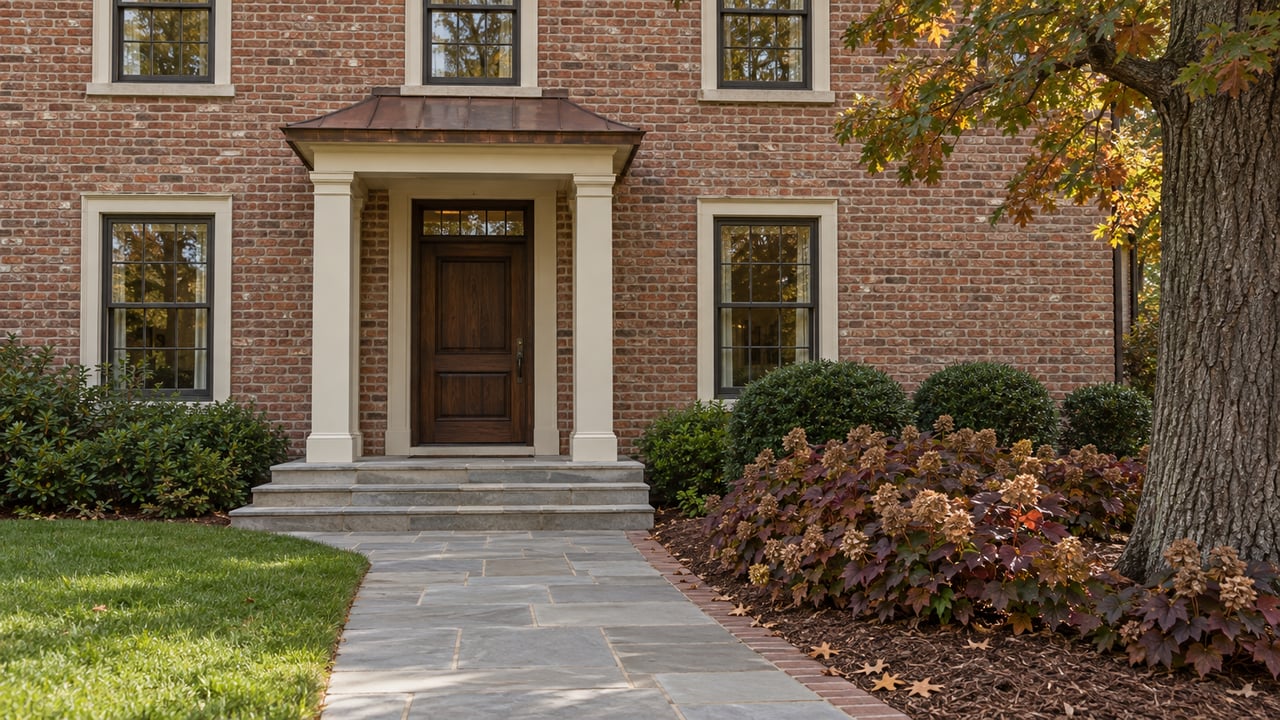
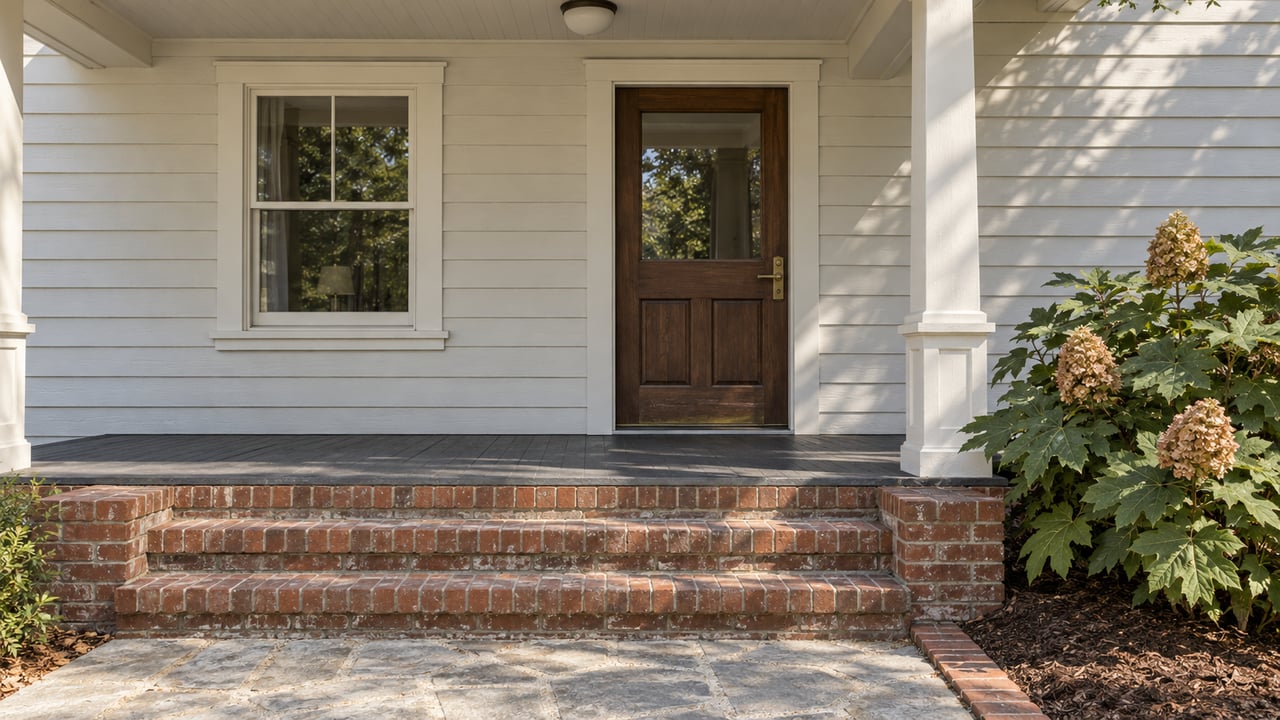
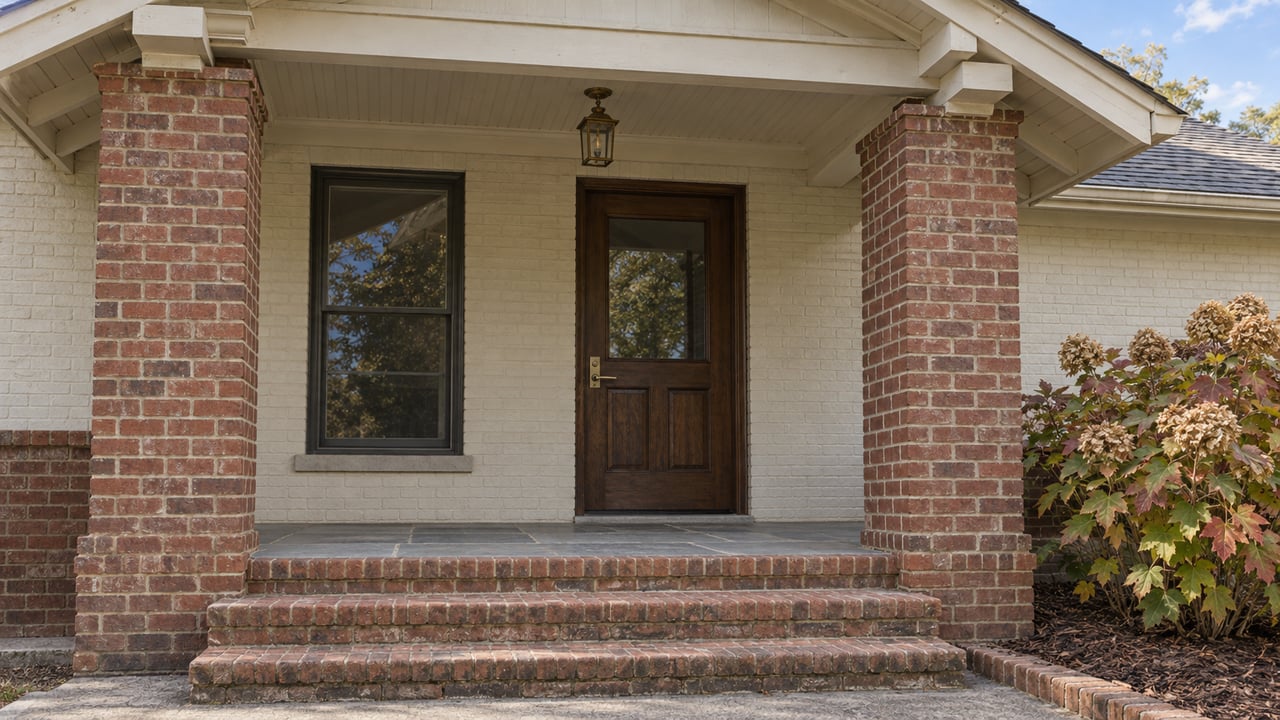
Many traditional bungalows are one to one-and-a-half stories with low profiles, broad rooflines, and front porches that are part of the home’s overall shape. Typical layouts often include compact rooms, short halls, and in some cases attic or dormer space that may already provide some flexibility.
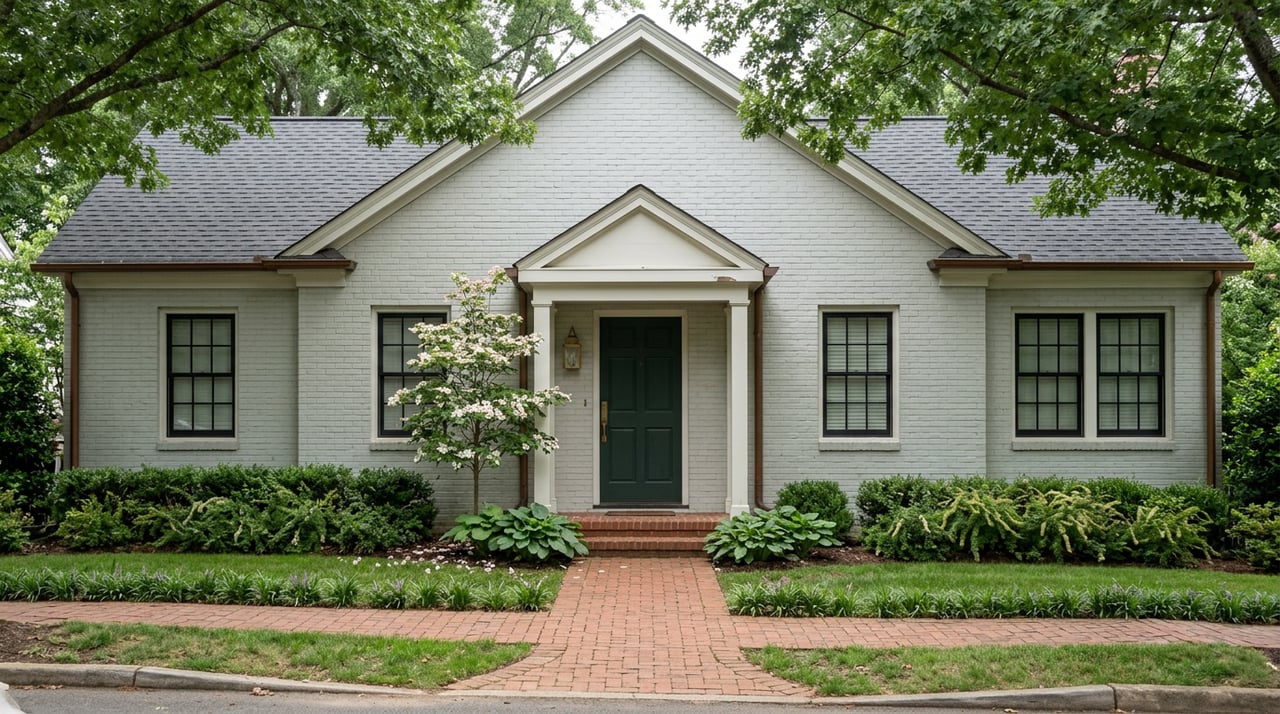
Cottages tend to be simpler, often one story, with a front-facing gable roof and a modest rectangular footprint. For buyers, that usually means the house may be easier to understand at a glance, but not always easy to transform without careful planning.
In homes with these older floor plans, some upgrades are naturally more manageable than others. Cosmetic updates, kitchen and bath improvements, rear additions, and selective dormer work often align better with the original structure.
By contrast, a fully open-concept redesign or a true second-story expansion can move into structural territory quickly. Those changes often affect the roofline, circulation, and framing, not just finishes. In practical terms, your renovation budget and timeline can change fast if your vision requires the house to function in a way it was not originally built to support.
Not every older house is a good project. In Peachtree Hills, a strong candidate is often a home with an intact exterior shell, a layout that still works reasonably well, and a site that does not create major complications related to trees, utilities, or the public right-of-way.
That does not mean the home needs to be updated. It means the basics should support your plan. If the roofline, lot conditions, and existing footprint already point in the same direction as your goals, you may be able to invest in design and finish quality instead of spending heavily just to solve preventable problems.
When you plan to renovate, your due diligence needs to go beyond the usual wish list. The goal is to understand the house, the site, and the city approval path before you commit.
Older homes should be treated as potential lead-paint homes until proven otherwise. According to the EPA, older homes are more likely to contain lead-based paint, including 87% of homes built before 1940 and 24% of homes built between 1960 and 1978.
If you are buying a pre-1978 home and planning renovation, repair, or painting, lead-safe practices matter. Those projects can create significant lead dust, and contractors doing that work must be trained in lead-safe methods. This is not just a line item. It can affect who you hire, how work is staged, and what your prep costs look like.
Mold grows where there is moisture, and cleanup has to address both the mold and the source of the moisture. For a buyer, this makes roof condition, windows, drainage, baths, kitchens, and any crawlspace or basement dampness worth close attention.
In older homes, small moisture issues can hide behind cosmetic updates. A fresh coat of paint does not tell you whether a crawlspace stays wet after rain or whether bathroom ventilation has been adequate. If renovation is part of your plan, moisture should be part of your screening process from the start.
Georgia is termite-prone, and subterranean termites are common. Mud tubes are a classic sign of infestation, according to the University of Georgia.
In practical terms, that makes a pest inspection especially important when you are considering an older home. Pay particular attention to porches, crawlspaces, and any wood near the ground. A general inspection is important, but for a renovation buyer, a termite issue can change both scope and cost in a big way.
Trees are part of what gives Peachtree Hills its appeal, but they can also shape your renovation options. Atlanta’s Arborist Division protects the city’s tree canopy on private property, and the city requires a formal Arborist Meeting before submitting any permit application that may affect trees.
If you are planning an addition, grading, or other site work, tree protection can influence where the project goes and how complex it becomes. On a hilly lot with mature trees, the easiest design concept is not always the one the site will support.
One of the biggest mistakes renovation buyers make is assuming permits can be sorted out later. In Atlanta, if you plan to build new, alter, add to, demolish, or change the use or layout of property, you will likely need approval from the Department of City Planning and possibly other agencies.
Commonly permitted work includes additions and alterations, accessory structures, fences, decks and porches, windows, roofs, solar panels, and tree removal. That means many of the upgrades buyers imagine in Peachtree Hills already fall squarely inside the city review process.
Some repair work may be exempt from permit fees or permits, but the exemption is narrow. Atlanta notes that certain repair work under $10,000 on qualifying structures may not require a permit, including some non-structural re-roofing repairs, cabinet replacement, painting, gutters, siding, and non-structural porch or deck repairs.
Even so, parcel-specific rules matter. The city also notes that properties governed by Chapter 20 may be treated differently, and some lawful repair work under $2,500 may not require a certificate of appropriateness, building permit, or permit fee. The practical takeaway is simple: do not assume your contractor’s casual opinion is enough. Verify the property-specific rules before you close.
Atlanta recommends using its GIS Property Info map to verify zoning and overlays. If a property is in a historic or landmark district, exterior changes may require a Certificate of Appropriateness before a building permit is issued.
For a buyer, this can influence what is realistic for windows, exterior materials, additions, or visible design changes. If your renovation vision depends heavily on changing the outside appearance, this should be part of your early feasibility review.
Renovation planning is not only about one main permit. Atlanta also allows online submission for certain plumbing and electrical permits in one- and two-family residences, and in most cases, permits lead to inspections.
The city also requires Department of City Planning stamped plans to be on site for inspections. If you are trying to move quickly after closing, that workflow matters. A smart timeline needs to account for more than design and construction.
If the project touches the public right-of-way, Atlanta Department of Transportation permits may also be required. The city gives examples such as driveway aprons, sidewalks, structures that require a driveway apron, and taps into existing sewer or sanitary lines.
This is especially relevant if your renovation plan includes major site changes or access improvements. What looks simple on a survey can become more involved once public infrastructure is part of the scope.
If you love design, it is easy to fall for finishes and start mentally remodeling on the first showing. A better strategy is to separate your decision into three layers: house, site, and approval path.
First, ask whether the house itself supports your program without fighting you. Second, study the lot, especially grade, drainage, trees, and any visible access constraints. Third, understand whether permits, arborist review, inspections, or district rules could stretch your timeline or budget.
Use these questions to pressure-test a potential purchase:
These questions can help you compare homes more objectively. In a neighborhood like Peachtree Hills, the best project is not always the one with the most dramatic before-and-after potential. It is often the one where the house, lot, and city process line up with your goals.
Buying a renovation project in Peachtree Hills is part design decision and part risk management. You want the charm, but you also want a property that can absorb your plans without turning every improvement into a structural, environmental, or permitting surprise.
That is where local knowledge becomes valuable. If you understand how older house types, mature lots, and Atlanta’s approval process intersect, you can buy with more confidence and make better tradeoffs from day one.
If you are considering a home in Peachtree Hills and want a clear-eyed view of its renovation potential, Mary Stuart Iverson can help you evaluate the opportunity, the constraints, and the neighborhood context before you move forward.
Stay up to date on the latest real estate trends.
Mary Stuart Iverson is a member of Who’s Who In Luxury Real Estate / LuxuryRealEstate.com, an international network of real estate professionals operating in 195 countries and representing the finest residential luxury estates and property brokerages in the world.
Mary Stuart Iverson
1819 Peachtree Rd NE Ste 100 Atlanta GA 30309