Preparing A Historic Brookhaven Estate For Today’s Buyer
May 28, 2026
May 28, 2026
If you own a historic estate in Historic Brookhaven, you already know the challenge: buyers want timeless character, but they also want a home that feels easy to live in right now. That can make pre-sale decisions feel high stakes, especially when you are trying to protect architectural integrity while meeting modern expectations. The good news is that you do not need to reinvent a special home to make it more marketable. You need a thoughtful plan that highlights what makes it distinctive and updates what buyers notice first. Let’s dive in.
Historic Brookhaven is one of metro Atlanta’s most distinctive residential settings. Brookhaven planning materials describe it as a traditional, large-lot residential character area, and the city’s vision emphasizes preserving the golf course, historic structures, and architectural heritage.
That context matters when you prepare a home for sale. In a neighborhood shaped by preservation-minded planning, buyers are often responding to more than square footage alone. They are evaluating the house’s scale, its relationship to the lot, the mature landscape, and whether updates feel respectful to the home’s original identity.
The city also notes that Historic Brookhaven is on the National Register of Historic Places, but it is not a city-designated historic district. For private owners, that means the sales conversation is usually less about blanket restrictions and more about understanding any applicable local rules while making smart, market-facing improvements.
For a historic estate, the goal is rarely to make the home feel brand new. The stronger strategy is to present the property as beautifully maintained, carefully improved, and ready for modern living.
That approach fits both the neighborhood and the market. Buyers of previously owned homes are often drawn to charm and character, while also wanting to avoid obvious repair issues or outdated systems that signal future work.
Before you make changes, separate your home into two categories: features to preserve and features to modernize. That framework keeps you from spending money in ways that dilute the home’s appeal.
In Historic Brookhaven, the most valuable original elements are often the ones that make the house instantly recognizable and memorable.
Refinishing original wood floors can be especially effective. Buyers continue to respond well to wood flooring for its durability, appearance, and long-term appeal, and in a historic home, original flooring often reads as more authentic than a full replacement.
Modern buyers tend to notice function first. If the kitchen feels dated, the bathrooms feel tired, or the HVAC seems questionable, those concerns can overshadow even the most beautiful architectural details.
Focus your updates on areas that affect comfort, convenience, and confidence:
The key is to update quietly. In a home like this, the best improvements do not compete with the architecture. They support it.
Today’s buyers are not simply asking for more space. They want space that works harder.
Recent buyer trend data shows continued interest in practical features and flexible rooms. Buyers are also placing more value on privacy, remote work, guest accommodations, and defined spaces that support daily life.
That is good news for many historic estates in Historic Brookhaven. Older homes often already have gracious room separation and architectural rhythm. Instead of trying to force a fully open plan, you may get better results by helping buyers understand how each space can function now.
If a buyer has to guess how the house lives, the home can feel less efficient than it really is. Clear purpose helps.
Consider presenting one room as a dedicated office and another as a guest suite or flex room. A first-floor bedroom and bath can also be a strong signal for buyers who want more convenience for guests or multigenerational living.
You do not need to relabel every room. You just want the home to answer common buyer questions before they are even asked.
Very open layouts do not solve every problem. In fact, buyers are increasingly reconsidering overly open plans because quieter, more defined spaces can work better for work, privacy, and day-to-day living.
In a historic Brookhaven estate, that usually means preserving the room structure that fits the home’s architecture while improving flow through lighting, furniture placement, and thoughtful transitions. Buyers can appreciate tradition and function at the same time.
If you are deciding where to spend time and money before listing, start with the rooms buyers evaluate most quickly. Staging research shows that the living room, primary bedroom, and kitchen matter most to buyers.
These are also the rooms that tend to shape online first impressions. If they feel polished, bright, and proportional, the rest of the house benefits.
You do not need a trendy kitchen to attract today’s buyer. You need a kitchen that feels functional, attractive, and compatible with the home.
Features that continue to resonate include:
In a historic property, these choices usually work best when the design feels restrained and period-aware. A kitchen can absolutely feel current without looking disconnected from the rest of the home.
Buyers want the primary suite to feel restful and easy. That means clean finishes, good lighting, enough storage, and a sense of privacy.
Even small changes can help, such as updated fixtures, better closet organization, fresh paint, and simplified styling. The suite should feel elevated, not overdone.
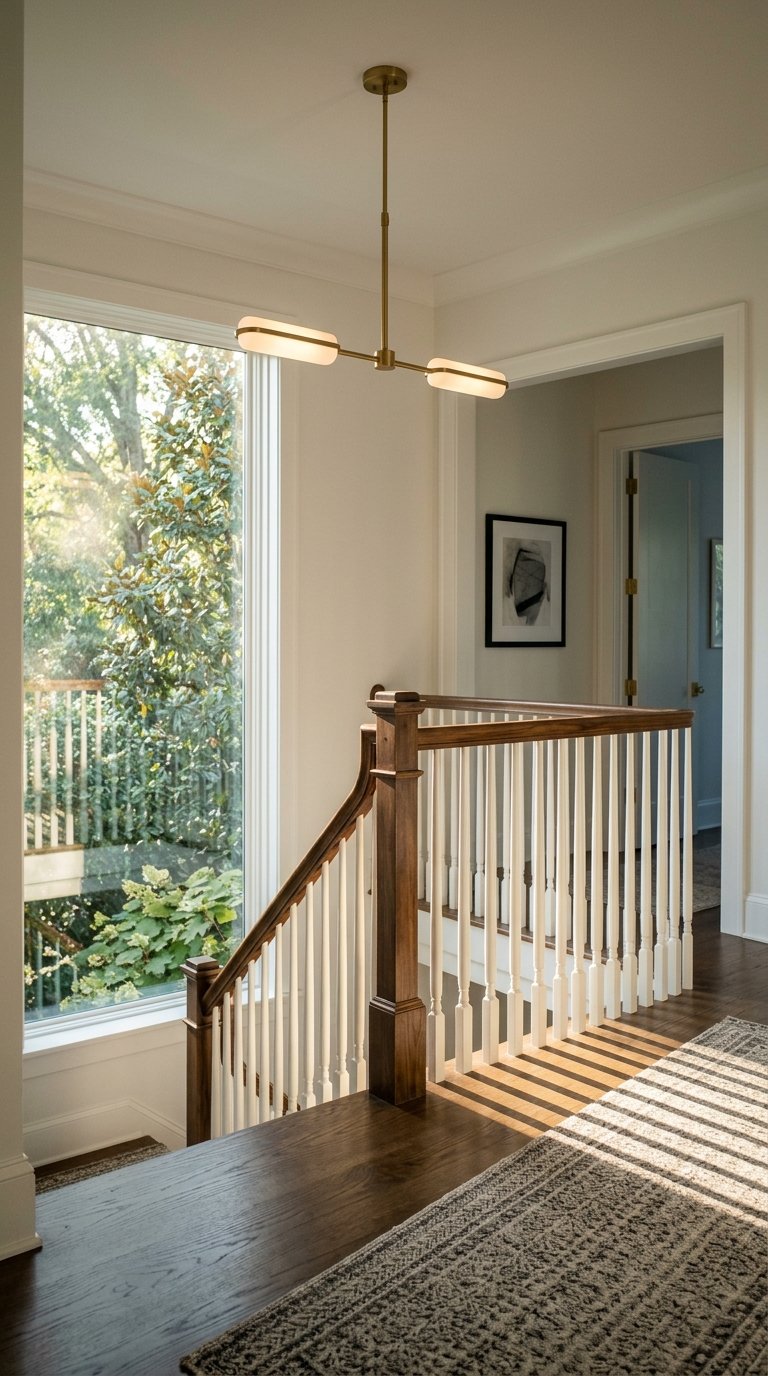
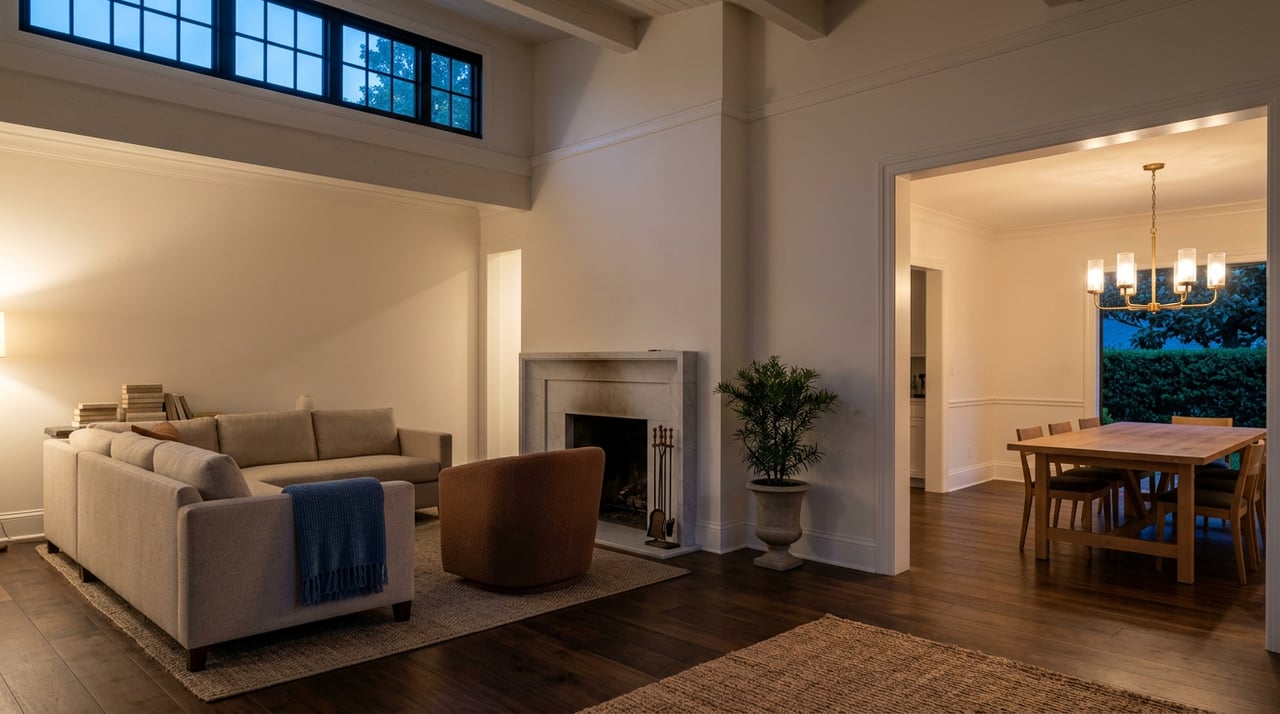
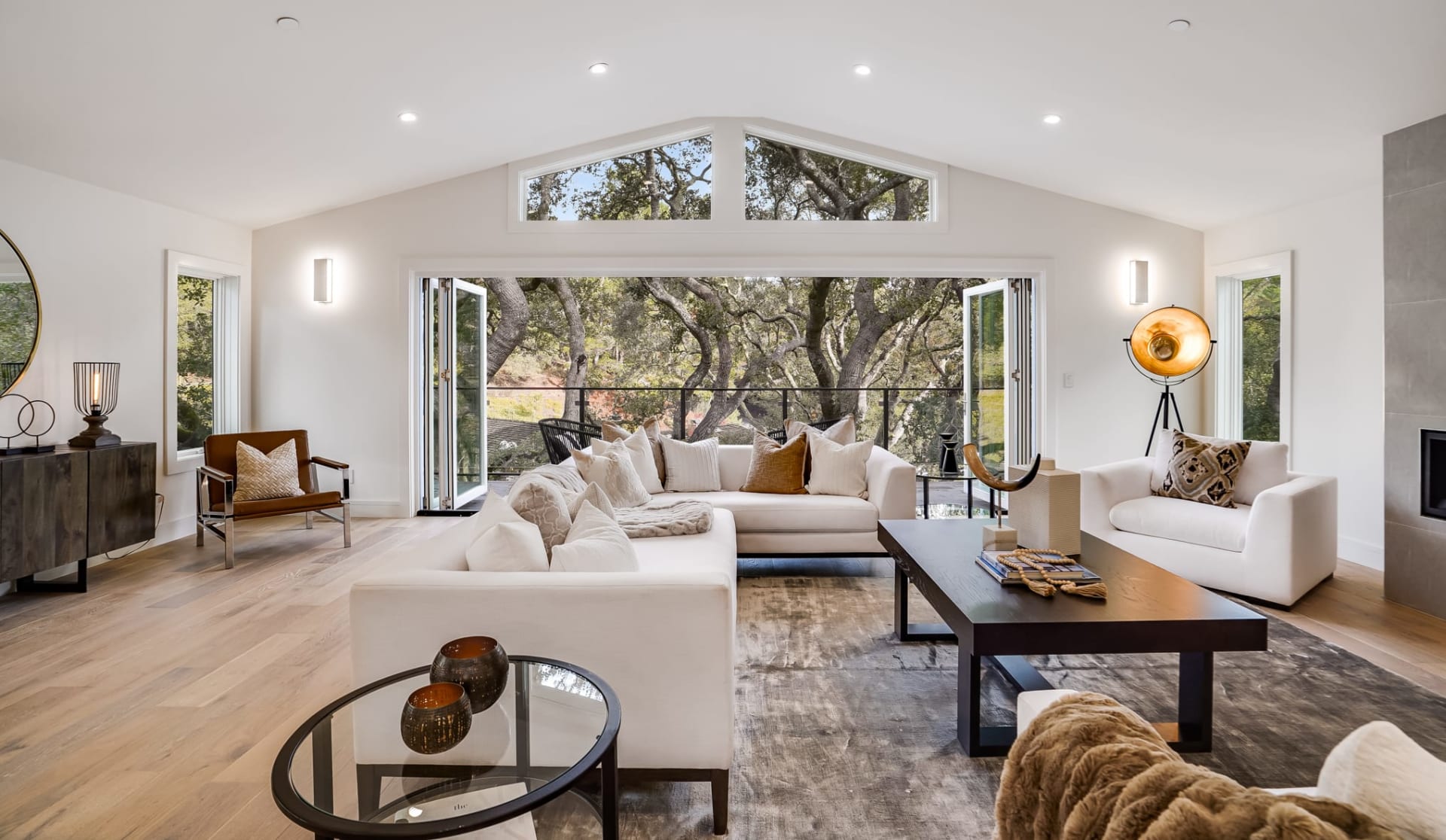
A historic estate often has beautifully proportioned living spaces, but those strengths can disappear under heavy furnishings or visual clutter. The room should read as gracious, usable, and bright.
Edit furniture carefully, open sight lines where possible, and let architectural details carry the room. Buyers should notice the windows, ceiling height, trim, and flow before they notice accessories.
In Historic Brookhaven, the lot is not just a backdrop. It is part of the property’s value.
Brookhaven’s planning materials emphasize tree canopy preservation and the neighborhood’s large-lot character. That makes mature trees, understated hardscape, and cohesive landscaping especially important when preparing a home for market.
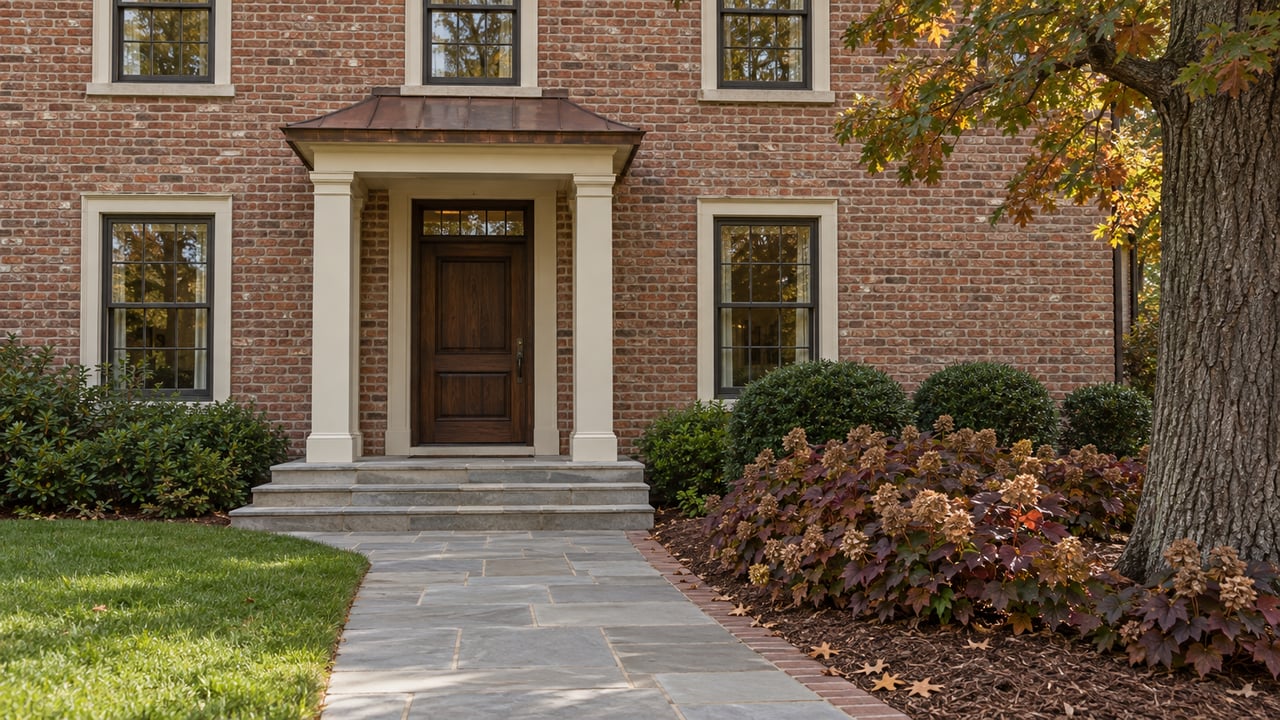
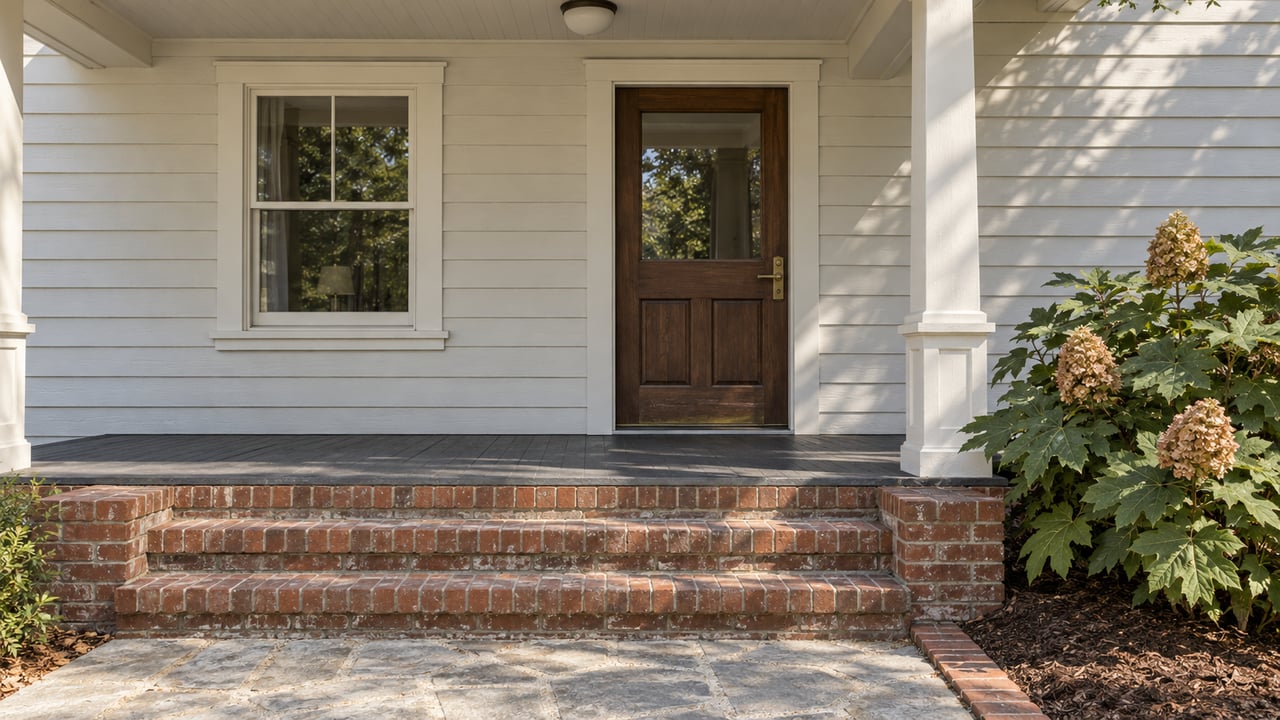
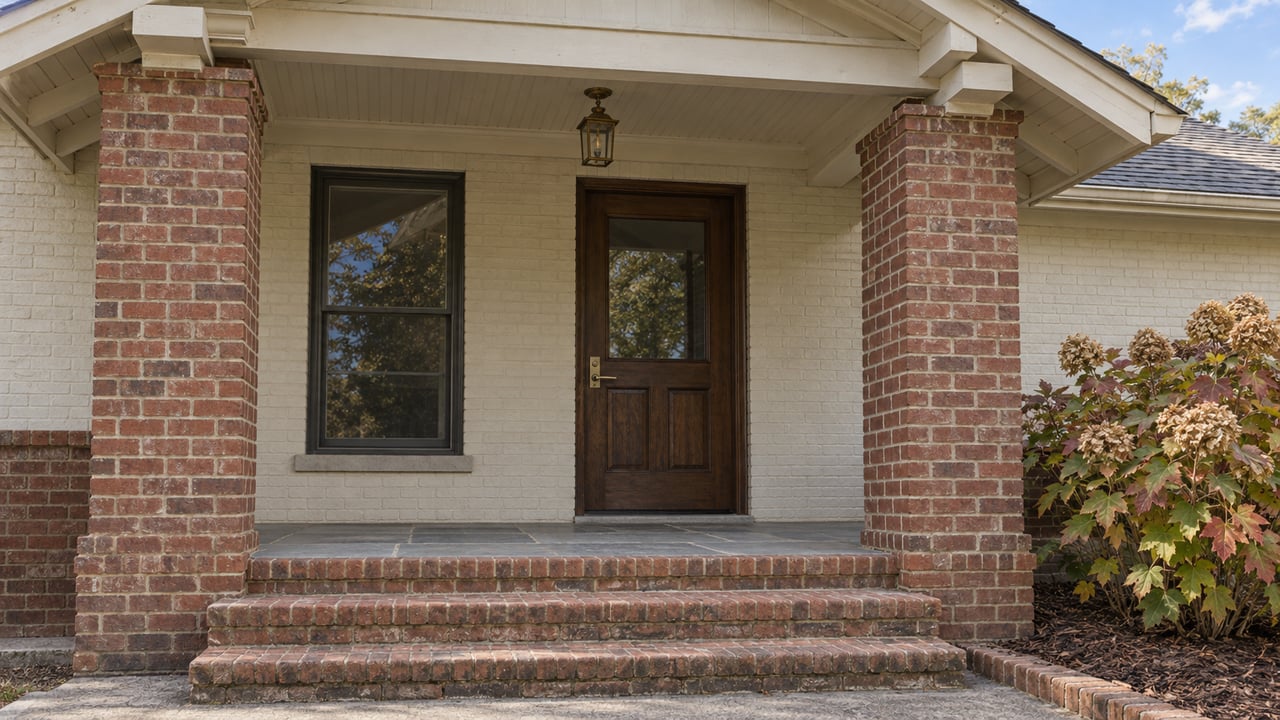
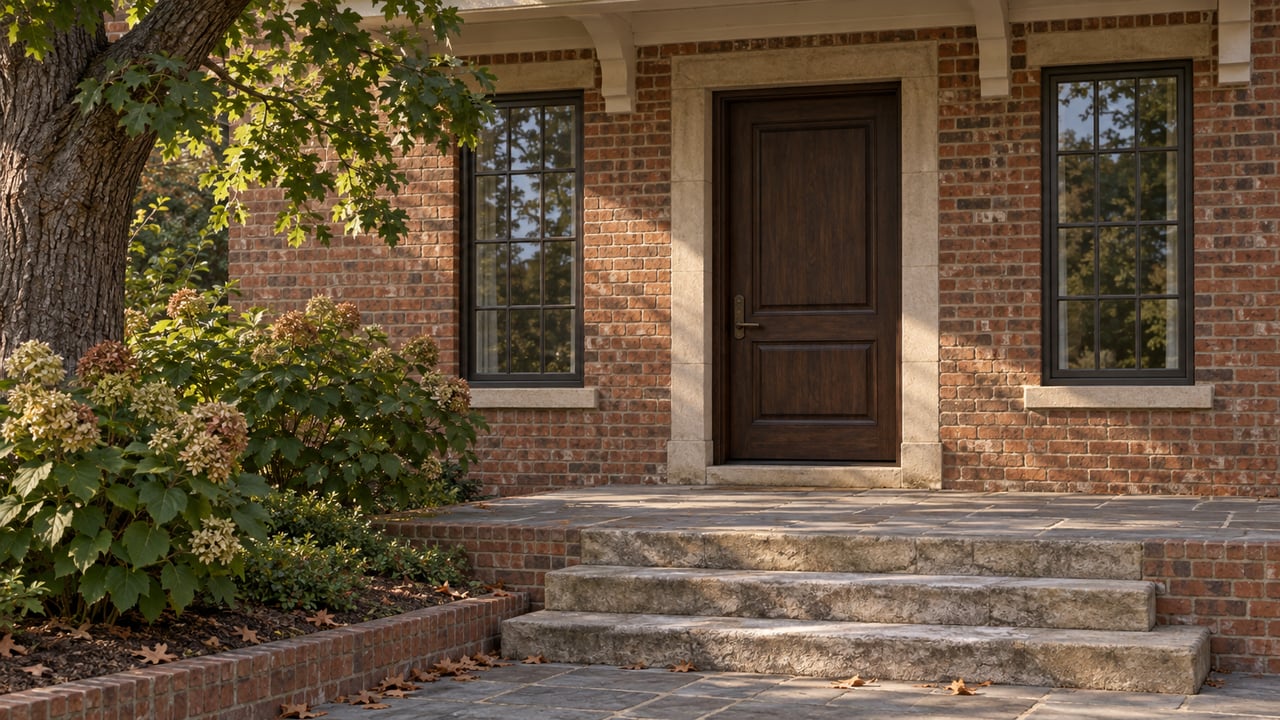
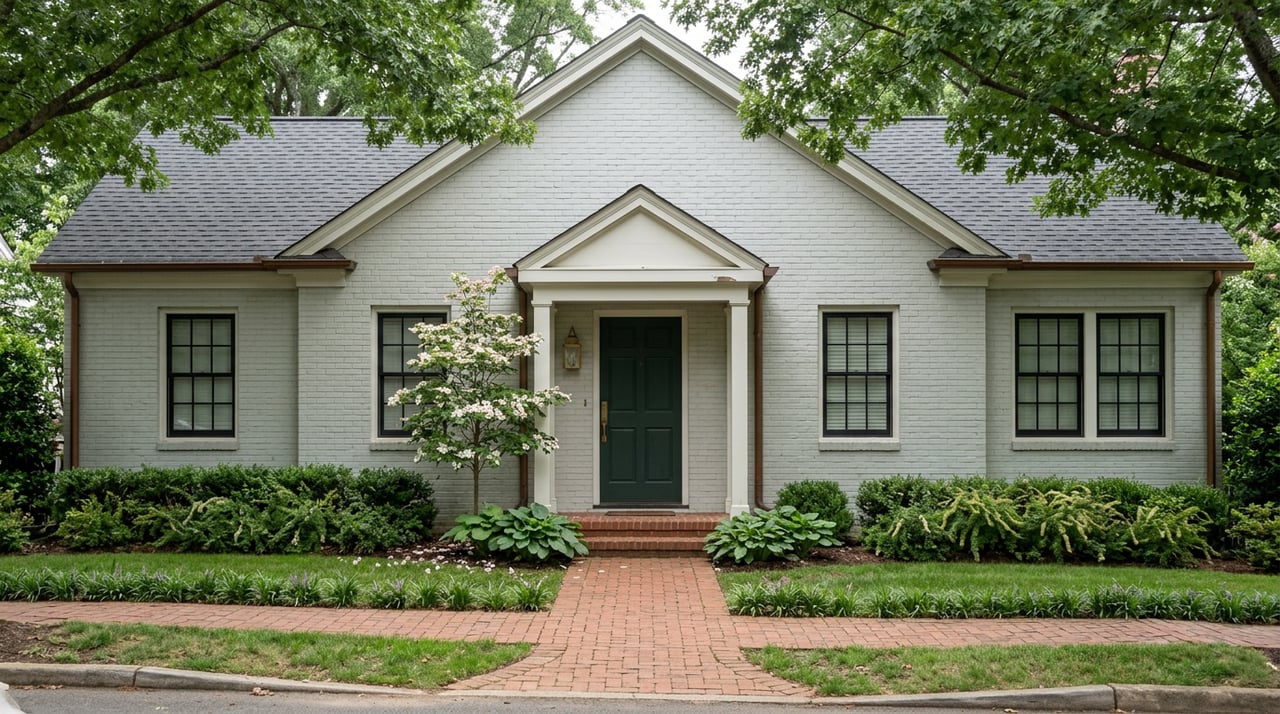
Your front approach sets expectations before a buyer ever walks inside. In a historic neighborhood, that first impression should feel composed and consistent with the streetscape.
Pay attention to:
The goal is curb appeal with discipline. Buyers should feel the property is established and well cared for, not overworked.
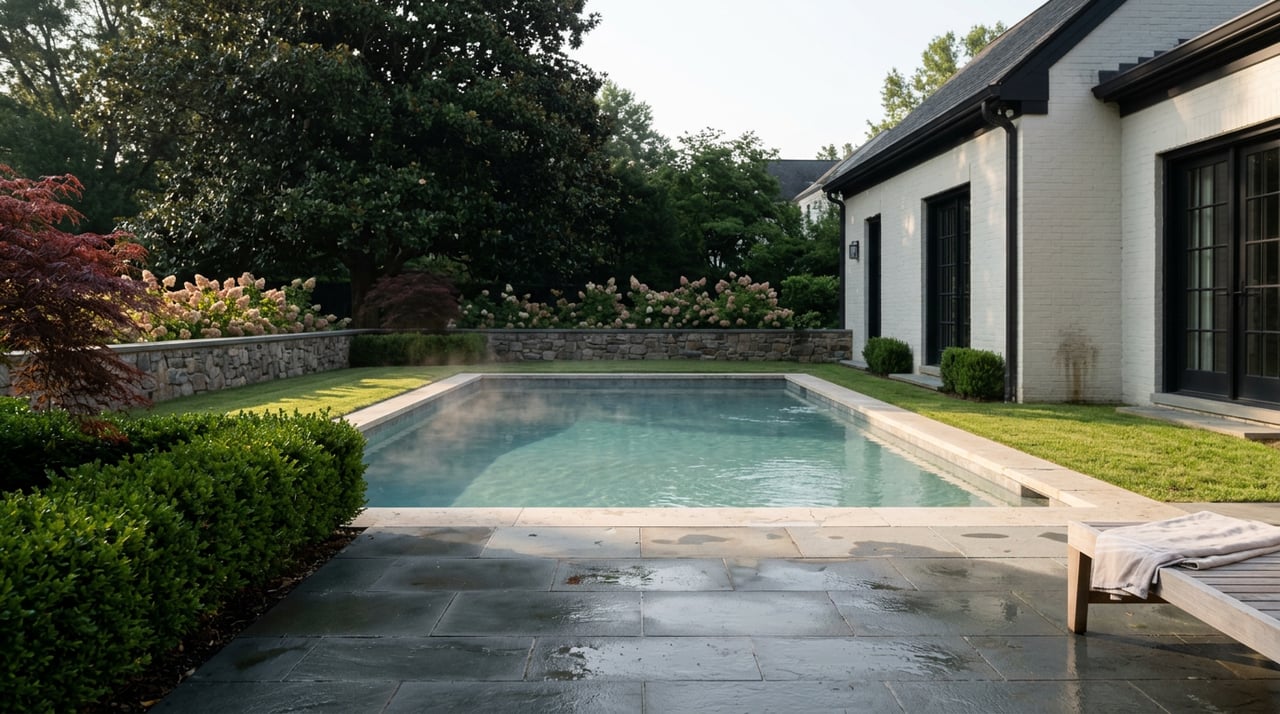
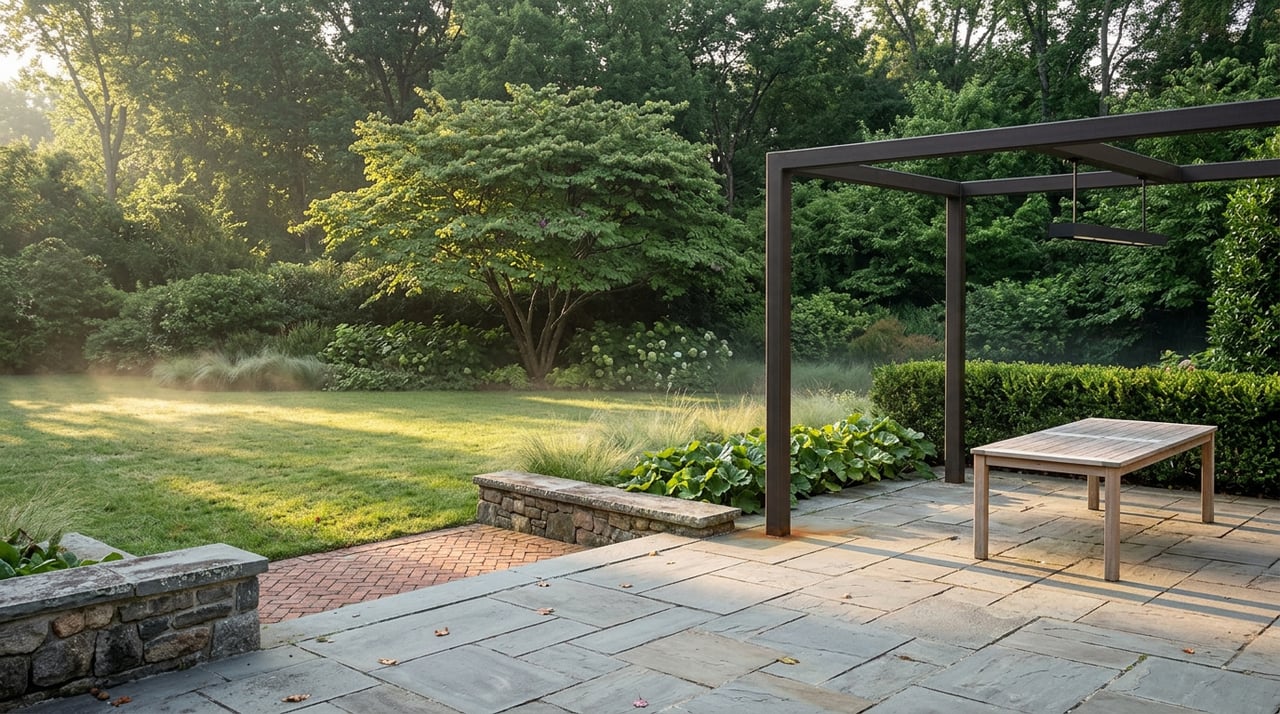
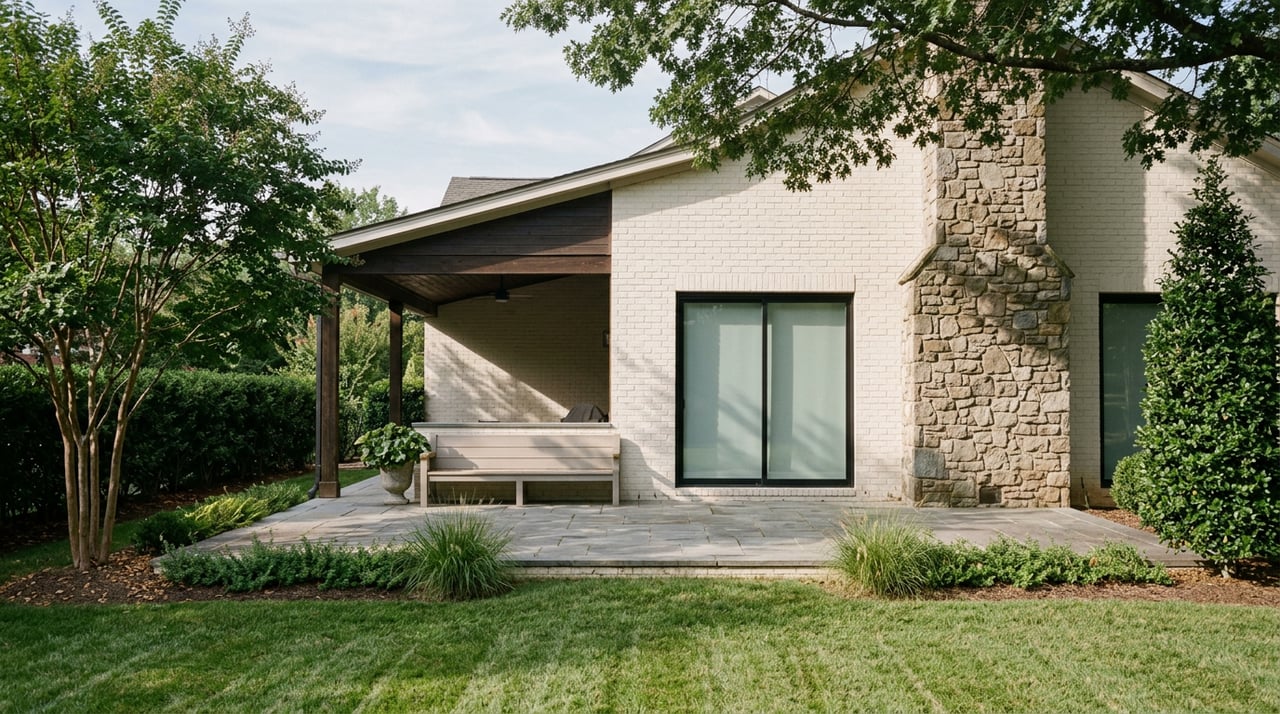
Outdoor living continues to matter, especially on larger properties. Buyers increasingly respond to yards that function as distinct spaces for dining, relaxing, and entertaining.
In Atlanta’s climate, usable outdoor areas often benefit most from shade, seating, fans, lighting, and a patio or terrace that feels connected to the house. If you have room for multiple outdoor moments, make each one legible.
A dining terrace should read like a dining terrace. A sitting area should read like a place to unwind. Clarity helps buyers assign value.
For an older estate, mechanical confidence matters. Buyers may love historic character, but they also want reassurance that the home will not feel inefficient or high maintenance from day one.
Recent market research shows growing interest in features that reduce costs and support energy savings. Windows, doors, siding, Energy Star appliances, programmable thermostats, multizone HVAC, and energy-management features all factor into how buyers perceive value.
The most effective improvements are often the least flashy. Buyers tend to respond strongly to upgrades that suggest responsible ownership and lower future hassle.
Useful areas to address include:
In Historic Brookhaven, these updates should be handled with restraint. The objective is to improve comfort and efficiency without erasing historic character.
Luxury buyers often meet a property online before they ever step through the front door. That means preparation is not complete until the home is ready for photography, video, and digital presentation.
Staging data shows that decluttering, cleaning, and curb appeal are among the most common and effective seller recommendations. It also shows that strong staging can support higher offered value and faster sales.
If you want the strongest return on effort, focus first on these spaces:
That sequence aligns well with how buyers tend to absorb a listing. They want a strong exterior introduction, then immediate proof of scale, livability, finish quality, and lifestyle.
In a historic estate, staging should feel edited and elevated. It should never distract from original detail.
Keep accessories minimal, use furnishings that fit the scale of the rooms, and avoid visual noise. The best presentation makes the house feel lighter, calmer, and more coherent.
If you are preparing to sell, this is the simplest way to focus your efforts.
The best-prepared historic homes do not feel overproduced. They feel authentic, polished, and easy to say yes to.
If you are thinking about selling in Historic Brookhaven, the right strategy is usually not to do more. It is to do the right things in the right order. A careful plan can protect the home’s architectural identity, answer modern buyer expectations, and position the property to stand out in a neighborhood where character matters. When you want a thoughtful, market-savvy approach to preparing and presenting a distinctive home, Mary Stuart Iverson can help you build that plan with the level of care Historic Brookhaven deserves.
Stay up to date on the latest real estate trends.
Mary Stuart Iverson is a member of Who’s Who In Luxury Real Estate / LuxuryRealEstate.com, an international network of real estate professionals operating in 195 countries and representing the finest residential luxury estates and property brokerages in the world.
Mary Stuart Iverson
1819 Peachtree Rd NE Ste 100 Atlanta GA 30309