Why Argonne Forest Atlanta Homes Stand Out in Buckhead
July 16, 2026
July 16, 2026
If you are looking at Buckhead and wondering why one quiet pocket feels so different from the next, Argonne Forest is a great example. This neighborhood does not compete by being the busiest, most walkable, or most formal part of Buckhead. Instead, it stands out for its generous lot sizes, curving streets, evolving mix of homes, and a low-turnover feel that appeals to buyers who value privacy and space. Let’s dive in.
Argonne Forest is an officially recognized Atlanta neighborhood in NPU-C, which matters because Buckhead is made up of several distinct submarkets. Nearby areas like Garden Hills, Peachtree Park, Buckhead Forest, Tuxedo Park, and Chastain Park may all carry Buckhead addresses, but they differ in street layout, lot scale, and overall setting.
That is one reason Argonne Forest can feel so specific once you drive through it. It reads as a tucked-away residential pocket rather than a neighborhood shaped by retail, major through-traffic, or a single central amenity.
One of the most defining features of Argonne Forest is its street pattern. According to the City of Atlanta’s historic property information for Spotswood Hall on Argonne Drive, the road was laid out to follow the natural contours of the land during early suburban development in the early 1900s.
That detail helps explain why the neighborhood feels different from a more typical grid layout. Curving roads often create a quieter, more residential rhythm, and in Argonne Forest, that pattern supports a sense of separation from busier parts of Buckhead.
For buyers, that can be a real point of difference. When you compare homes here, it is worth paying attention to whether a property sits on a true local street or closer to an edge street that connects more directly to larger corridors.
In many Buckhead neighborhoods, the house gets most of the attention. In Argonne Forest, the lot often plays just as important a role in the value story.
Public-record examples on and near Argonne Drive show parcels ranging from about 0.44 acres to 2.26 acres. Examples in that range include 3173 Argonne Drive at 0.44 acres, 3152 Argonne Drive at 0.64 acres, 465 Argonne Drive at 0.73 acres, 3041 Marne Drive at 0.98 acres, 325 Argonne Drive at 1.55 acres, and 290 Argonne Drive at 2.26 acres.
That spread suggests something important. Argonne Forest is not defined by a standard, tightly repeated subdivision pattern. Instead, lot size, setback, shape, and usable outdoor space can vary meaningfully from one property to the next.
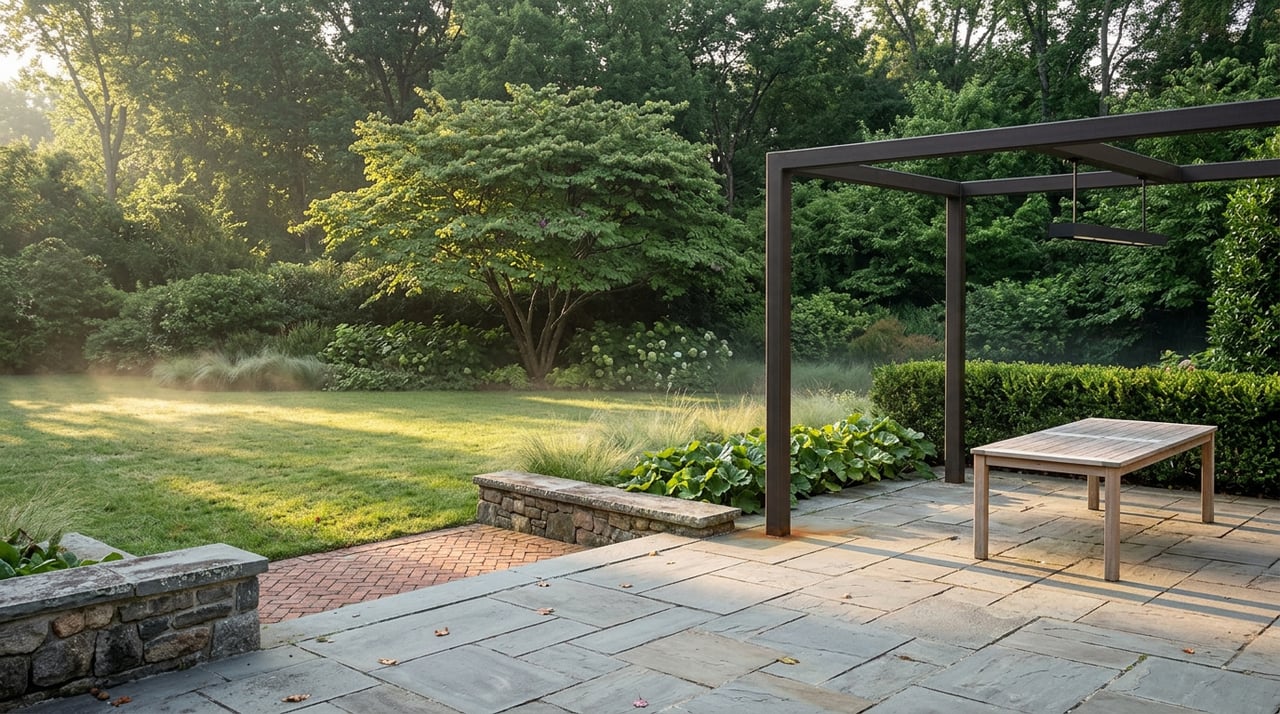
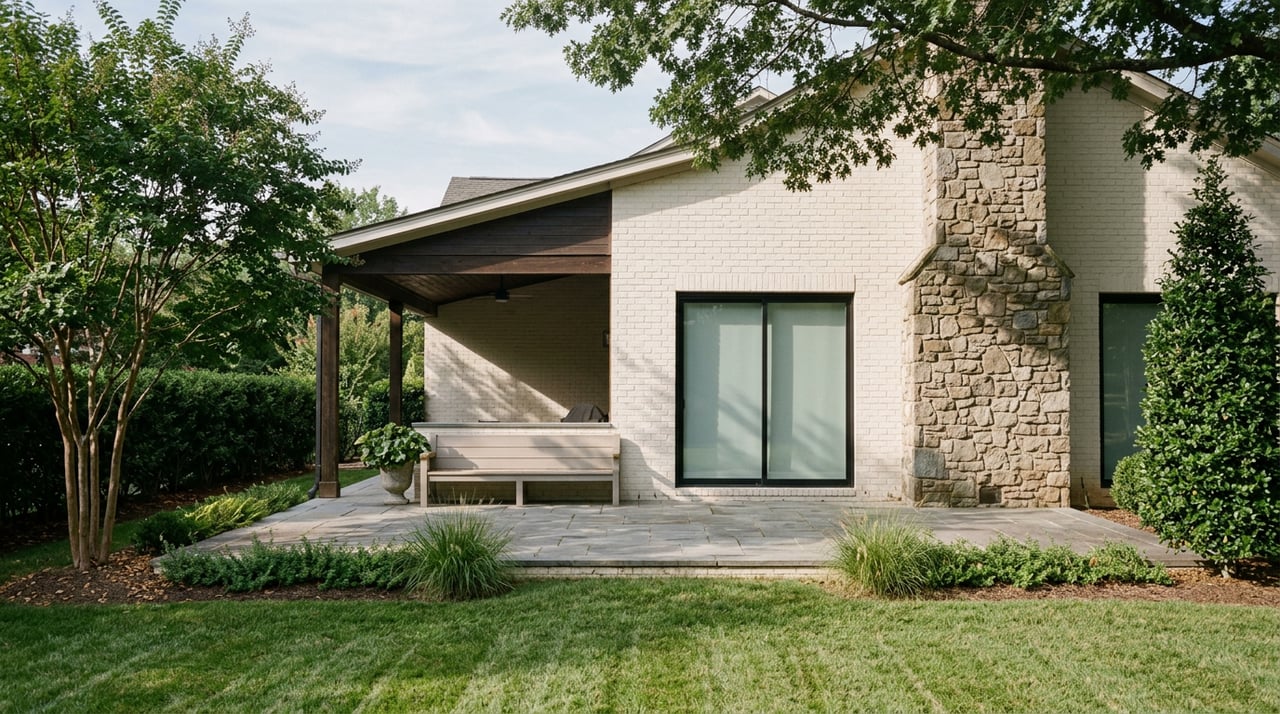
If you are comparing homes here, it helps to look beyond square footage. A well-positioned lot with strong privacy, a functional yard, and room for outdoor living may influence value as much as the house itself.
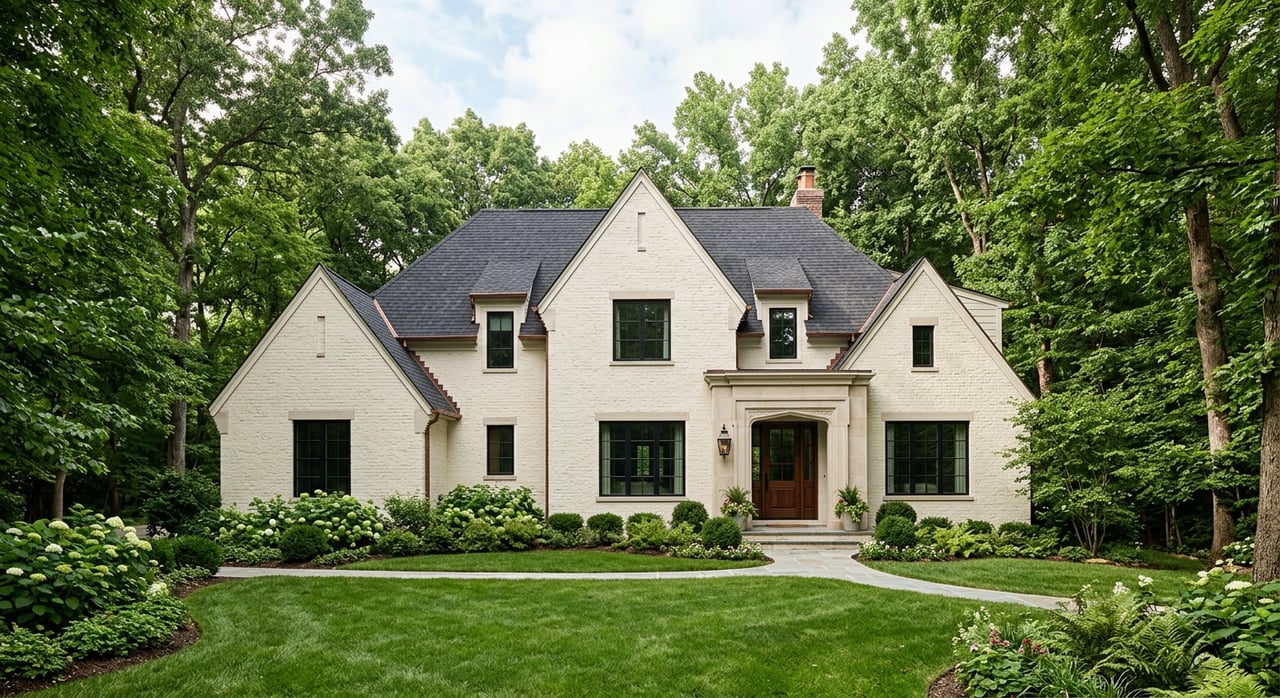
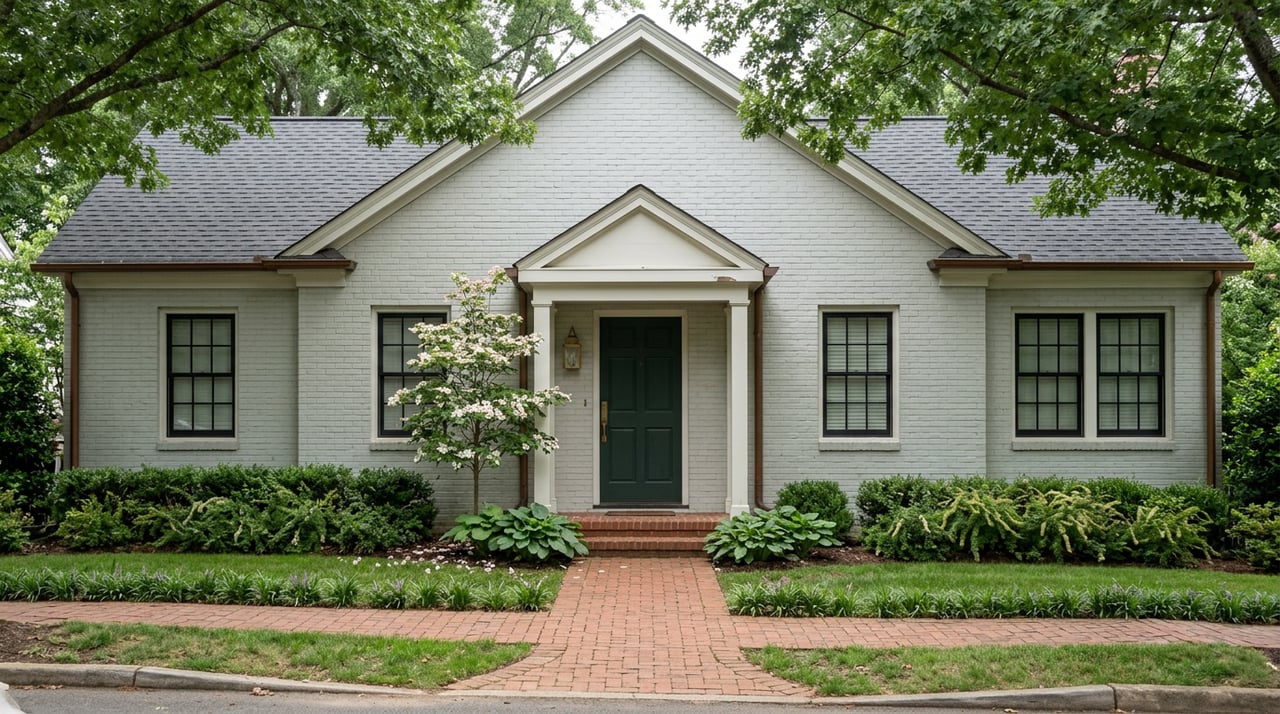
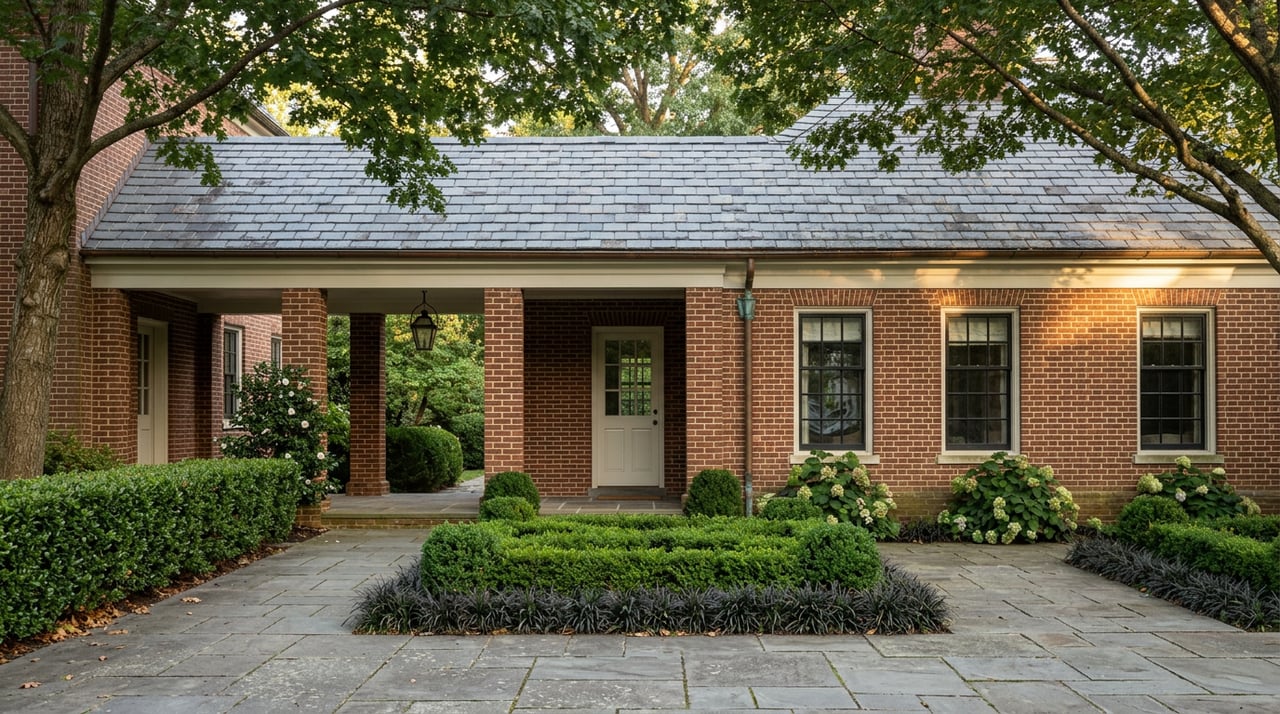
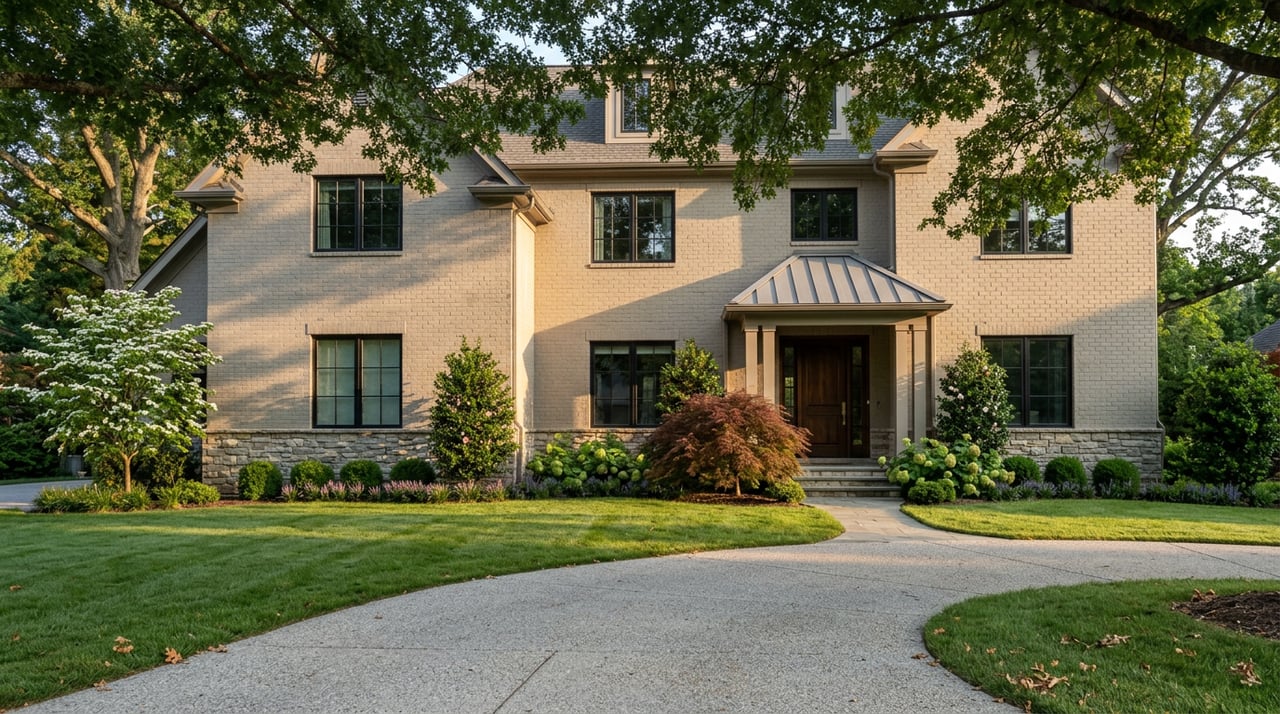
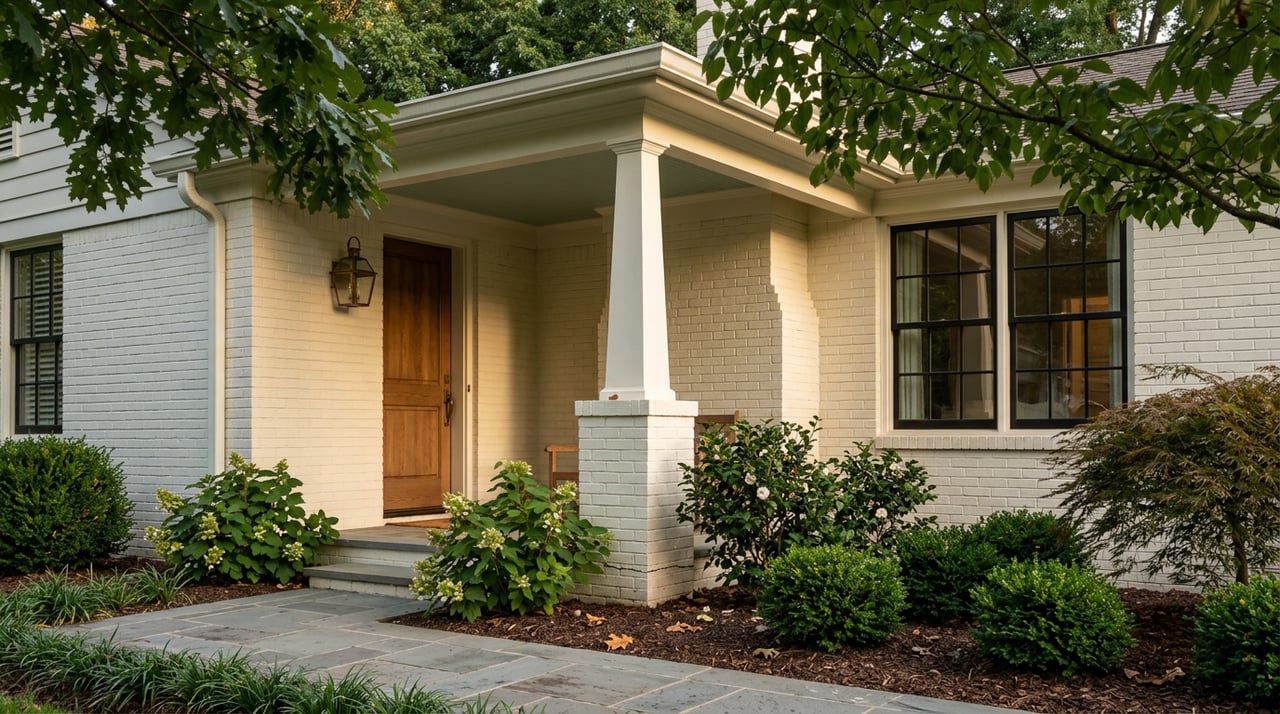
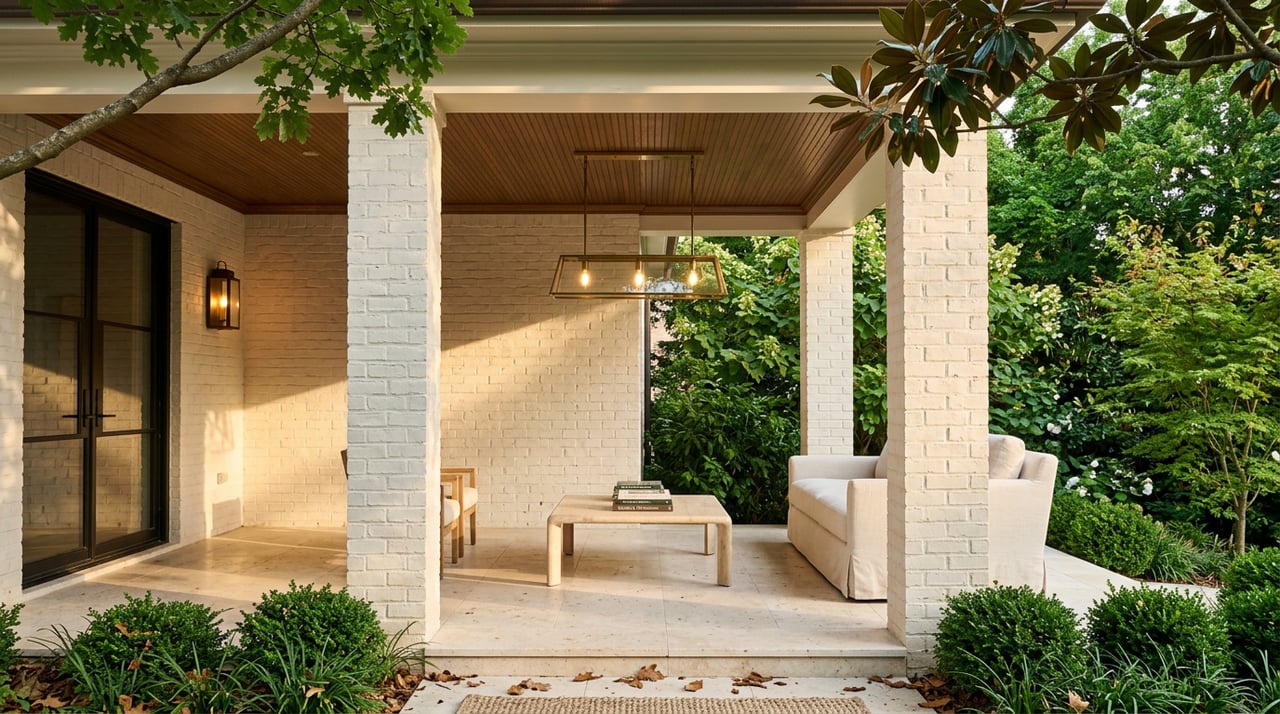
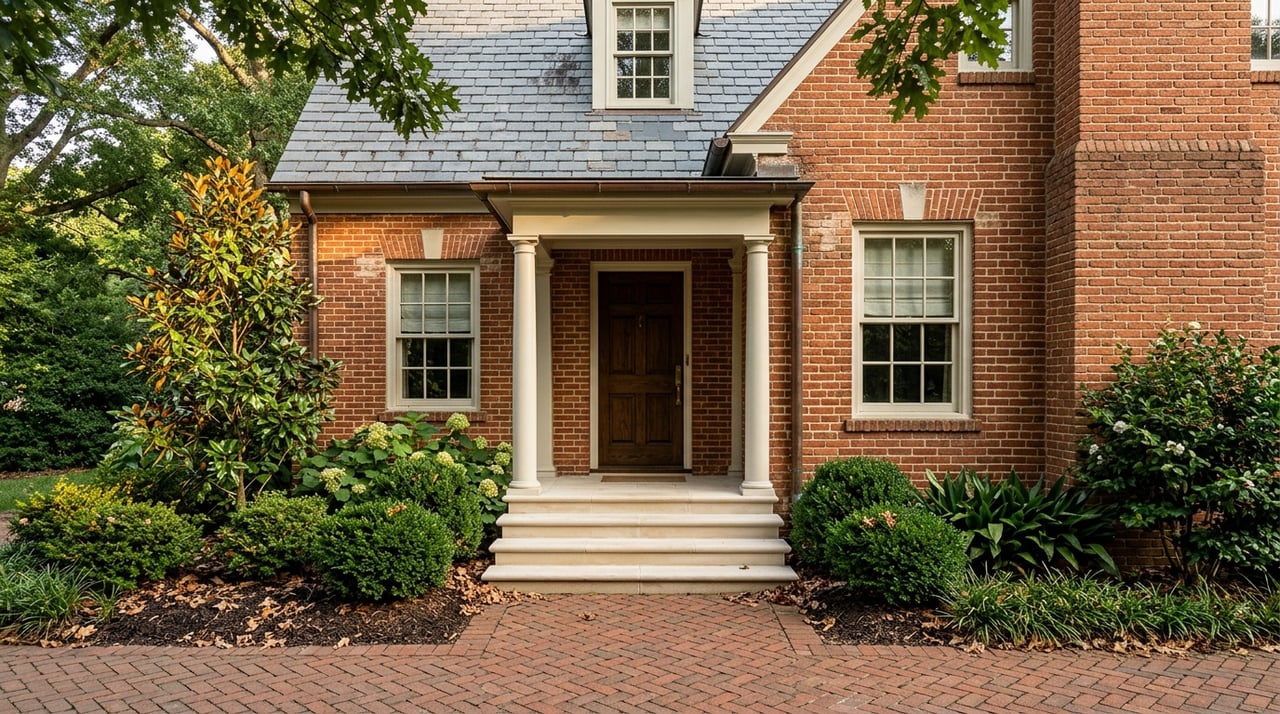
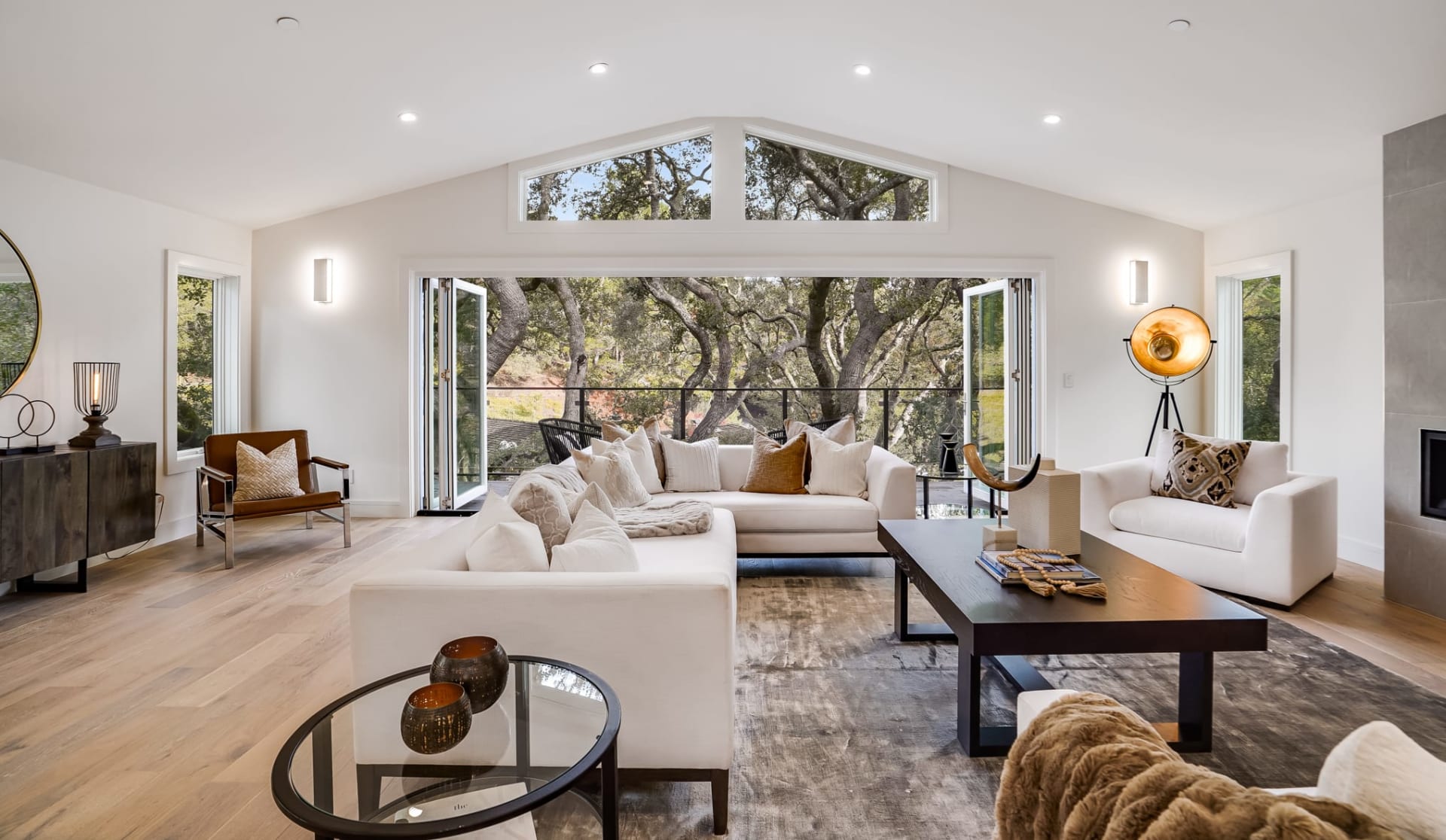
Argonne Forest does not read as a single-style neighborhood frozen in time. Public-record homes and listings point to a mix of mid-century construction and newer custom houses, which gives the area an evolved character.
That can be appealing if you like neighborhoods that feel established but not overly uniform. You may find renovated older homes, design-led updates, or newer construction that takes advantage of larger parcels.
For many buyers, this flexibility is part of what sets Argonne Forest apart. You are not shopping only for one architectural look. You are also choosing between different levels of renovation, design ambition, and lot utility.
Recent market data from Redfin placed Argonne Forest at a median sale price of $1.77 million over the last three months, with 88 days on market and one home sold in that period. While that is a small sample, it supports the idea that this is a low-turnover neighborhood.
Low turnover can shape your search in practical ways. In a neighborhood with fewer sales, broad averages may tell only part of the story, while property-specific details such as condition, renovation quality, and lot characteristics can matter even more.
That also means timing can be important. If Argonne Forest is high on your list, it often helps to be prepared to evaluate opportunities carefully when they do come available.
Argonne Forest tends to sit in a middle ground within Buckhead. It is more relaxed and wooded than some closer-in neighborhoods, but less formal and estate-scaled than Buckhead’s most expensive enclaves.
Garden Hills is known as a 1925 country-club community with winding streets, mature hardwoods, pocket parks, landscaped traffic islands, and a neighborhood pool and recreation center. Its housing mix includes Georgian, Tudor, Spanish Revival, Craftsman, and postwar ranch homes, and recent Redfin data placed its median sale price at $814,726.
Compared with Argonne Forest, Garden Hills is generally more walkable and more driven by neighborhood amenities in a tighter urban setting. Argonne Forest, by contrast, leans more heavily on privacy, larger lots, and a quieter residential feel.
Tuxedo Park is the clearest estate-lot comparison. Its neighborhood history describes large, deep lots on curving streets that follow natural topography, and the current association describes a park-like setting with historic estates and a range of traditional architectural styles. Redfin’s market snapshot shows a median sale price of $2.74 million.
Argonne Forest shares some of that curving-street and generous-lot appeal, but it is typically less formal and less explicitly estate-scaled. If Tuxedo Park feels grander and more structured, Argonne Forest can feel more understated and flexible.
Chastain Memorial Park is a 268-acre regional park, and the surrounding neighborhoods are closely tied to that destination. Redfin market pages show a median sale price of $1.65 million in Chastain Park and $439,852 in East Chastain Park, which shows how mixed the broader Chastain area can be.
Relative to Argonne Forest, the Chastain area is more defined by park activity and destination amenities. Argonne Forest offers access to major outdoor amenities without placing your daily life in the center of a park-focused district.
The City of Atlanta’s 2026 Peachtree Park plan describes that neighborhood as mostly single-family and known for quiet streets, historic homes, trees, and an active community. It also sits next to the Buckhead Village District and business district, giving it a more connected and walkable edge. Public-record listings there show lots such as 0.37, 0.38, 0.48, and 0.53 acres.
That makes Peachtree Park a strong contrast. Buyers who want a closer-in Buckhead setting may prefer it, while buyers who prioritize more land and a more secluded residential feel may be drawn to Argonne Forest.
One of Argonne Forest’s strengths is that it offers access to major outdoor amenities without being defined by one. Nearby anchors include Chastain Memorial Park and the Chattahoochee River National Recreation Area, which preserves 48 miles of river corridor and includes the Cochran Shoals trail system.
For many buyers, that balance is attractive. You can enjoy access to large-scale green space and trails while still living in a neighborhood that feels primarily residential and tucked away.
If you are evaluating Argonne Forest, it helps to compare homes with a slightly different lens than you might use in denser Buckhead neighborhoods.
Focus on these factors:
These are often the details that explain why two homes with similar asking prices can feel very different in value.
What sets Argonne Forest apart in Buckhead is not one flashy feature. It is the combination of contour-following streets, generous parcels, an established but evolving housing mix, and a quieter market tone.
For the right buyer, that combination can be hard to replicate. Argonne Forest offers a version of Buckhead that feels wooded, scaled, and residential, sitting somewhere between the formality of Tuxedo Park and the more amenity-rich, walkable character of neighborhoods like Garden Hills and Peachtree Park.
If you are drawn to privacy, lot value, and homes with room to evolve, Argonne Forest is worth a close look. And if you want help comparing it with other Buckhead pockets, Mary Stuart Iverson can help you evaluate the tradeoffs and find the right fit.
Stay up to date on the latest real estate trends.
Mary Stuart Iverson is a member of Who’s Who In Luxury Real Estate / LuxuryRealEstate.com, an international network of real estate professionals operating in 195 countries and representing the finest residential luxury estates and property brokerages in the world.
Mary Stuart Iverson
1819 Peachtree Rd NE Ste 100 Atlanta GA 30309