What Defines Historic Brookhaven Architecture Homes
June 25, 2026
June 25, 2026
If you have ever driven through Historic Brookhaven and felt like the neighborhood has a rhythm all its own, you are not imagining it. The homes here do not stand out only because they are older, larger, or visually striking. Their appeal comes from how architecture, landscape, and street layout work together to create a setting that feels coherent and hard to copy. If you are curious about what gives this DeKalb neighborhood its distinct identity, this guide will help you see the details that matter. Let’s dive in.
Historic Brookhaven was developed beginning in 1910 as a planned golf-course and country-club community. That origin matters because the neighborhood was shaped as a complete environment, not simply built lot by lot without a larger vision.
According to the National Register nomination, it is a 20th-century residential neighborhood defined by curving streets, rolling terrain, and park-like landscaping. The area is also described as the oldest planned golf-course community in Georgia and possibly the Southeast, which helps explain why its layout still feels intentional more than a century later.
By 1941, about 80% of the housing was already complete. That early buildout gave Historic Brookhaven a strongly prewar character that remains visible today, especially when you compare the historic core to later homes from different periods.
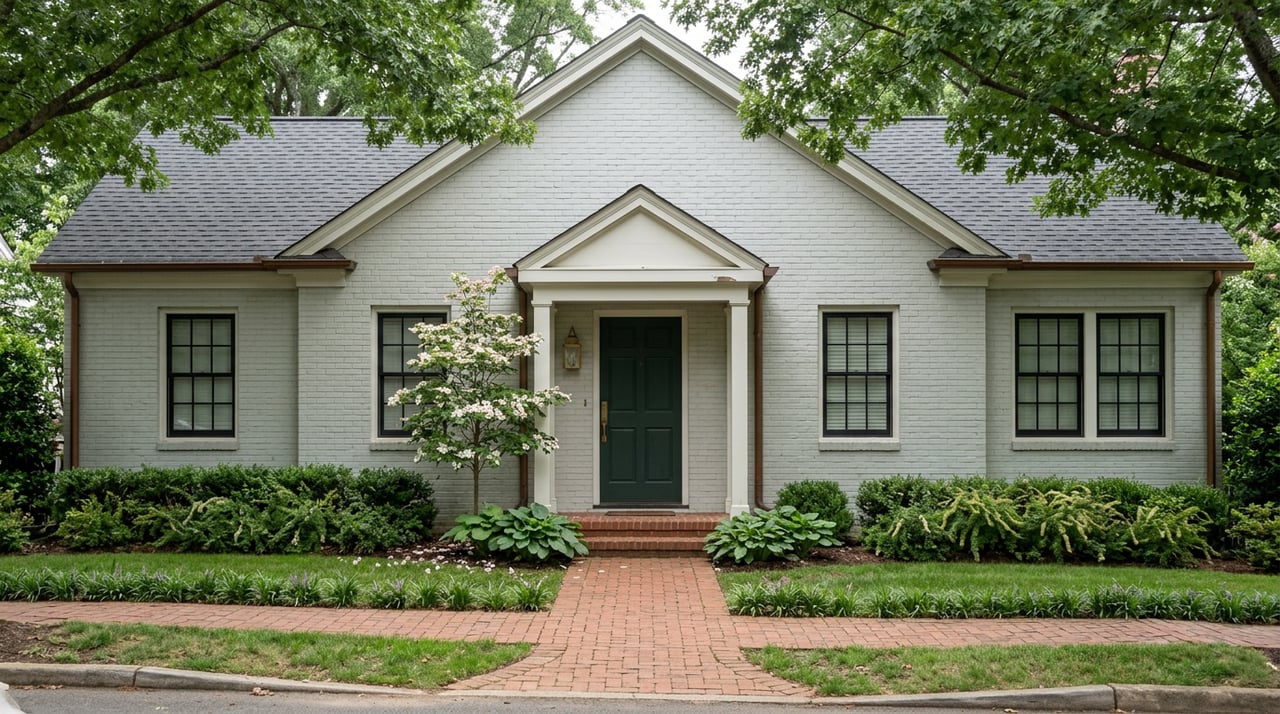
The strongest architectural theme in Historic Brookhaven is Colonial Revival, with Georgian Revival as a major subtype. These styles form the backbone of the neighborhood’s visual identity and appear again and again across the district.
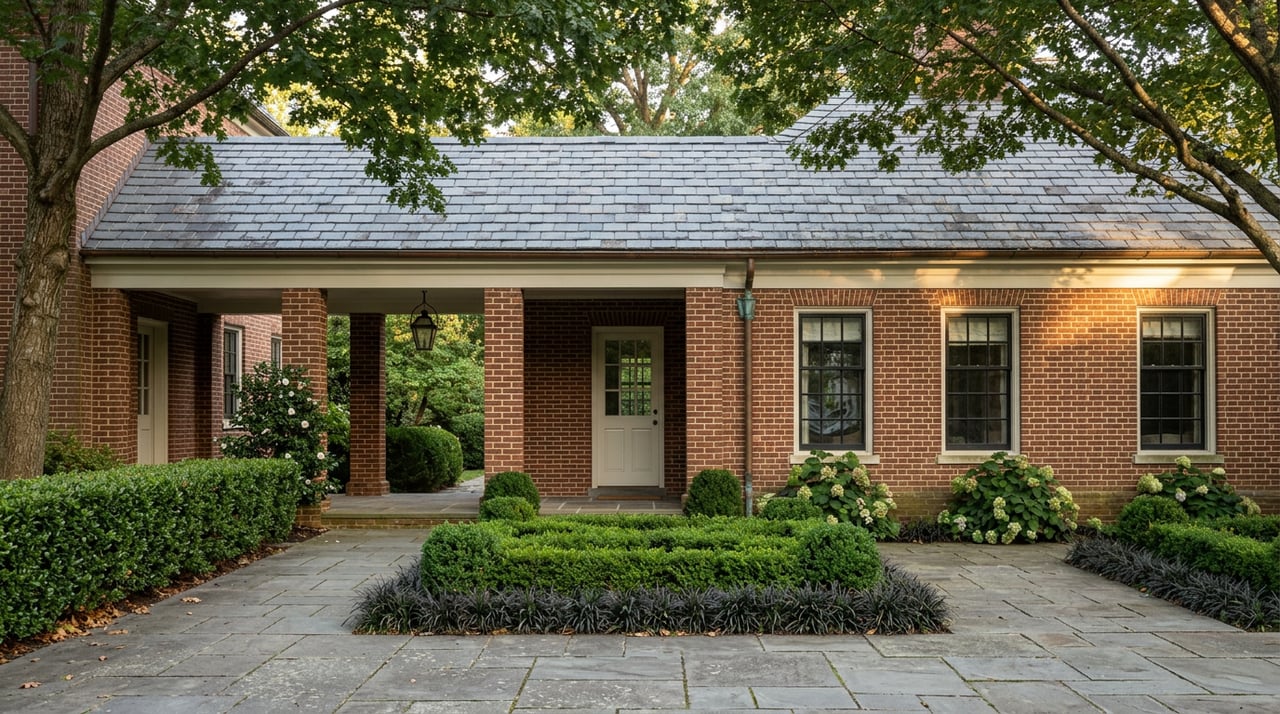
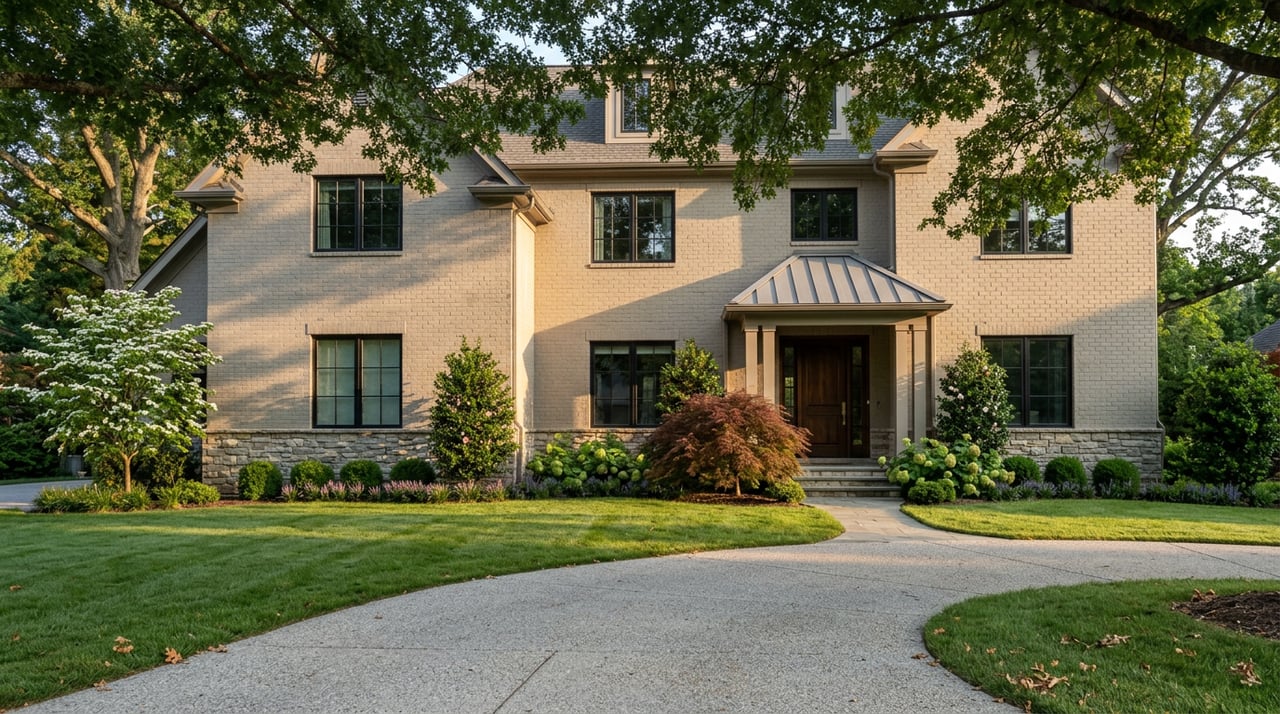
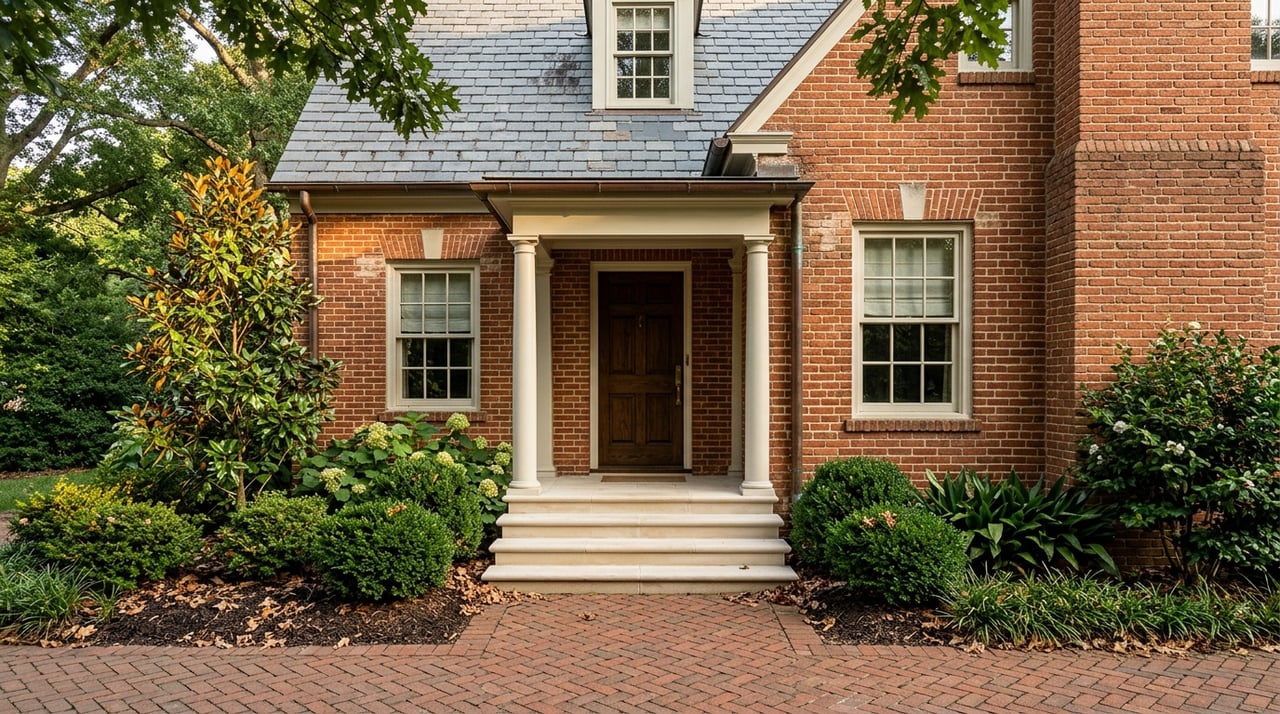
In practical terms, that often means one- and two-story houses with brick, wood, stucco, or stone exteriors. Many of the larger homes feature symmetrical facades, centered front doors, and classic details like small porticoes, sidelights, and fanlights.
This symmetry is one reason the neighborhood feels so ordered even when individual homes vary in size or finish. You are seeing repeated architectural rules, not exact copies, and that creates consistency without making the streetscape feel flat.
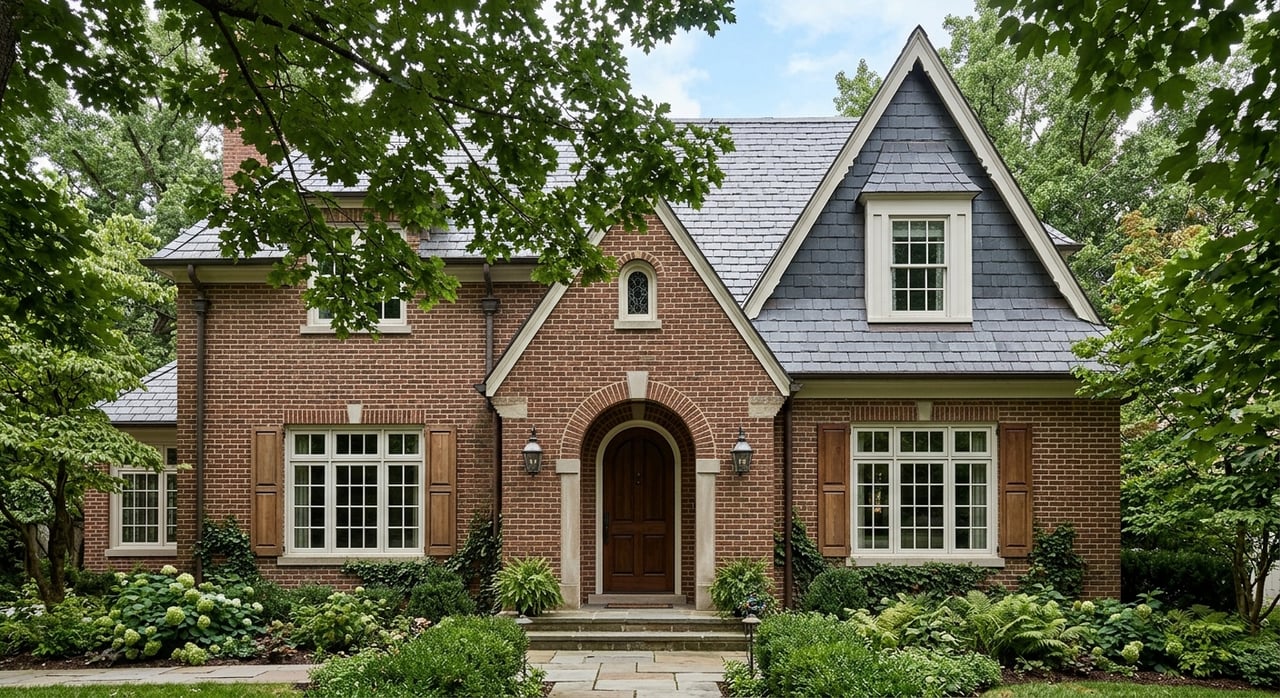
While Colonial and Georgian Revival set the tone, Tudor Revival adds a more picturesque layer. These homes bring contrast through material changes, bolder rooflines, and a more storybook silhouette.
In Historic Brookhaven, Tudor Revival homes may include decorative brickwork, half-timbering effects, front-projecting gables, and prominent chimneys. These details help break up the formality of the revival-dominant streetscape while still fitting comfortably within the neighborhood’s prewar character.
That balance is important. Historic Brookhaven does not read as a one-style district. Instead, it feels cohesive because several related prewar styles share a similar scale, siting, and relationship to the landscape.
Not every home in Historic Brookhaven is a large formal residence. Part of the neighborhood’s architectural appeal comes from the fact that smaller houses also contribute to the overall story.
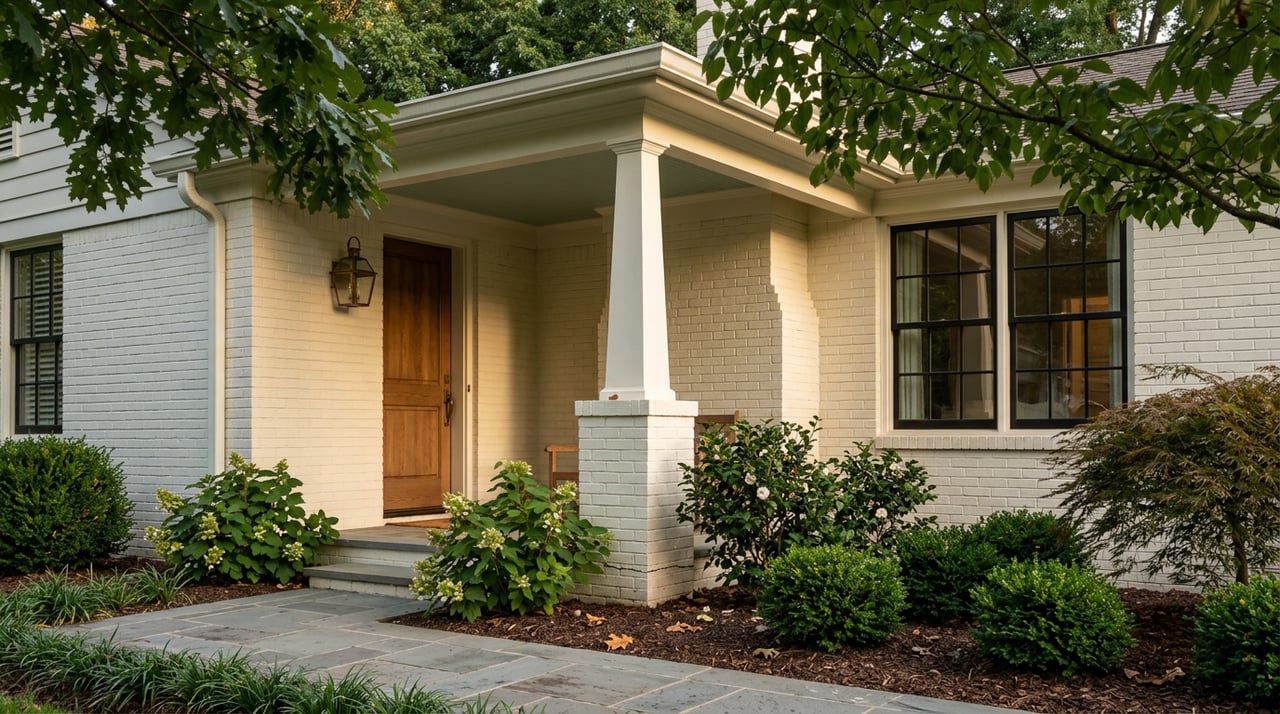
The district includes Colonial Revival-influenced Cape Cod cottages as well as Minimal Traditional houses from the late 1920s and 1930s. You will also find a few homes with Craftsman influence near the golf course, along with a small number of Dutch Colonial Revival, Spanish Revival, and eclectic houses.
This mix keeps the neighborhood visually interesting. Even with style variations, the prewar scale and materials help the area read as unified rather than random.
One of the biggest mistakes people make when evaluating Historic Brookhaven is focusing only on the houses. Here, the lot setting and street view are just as important as the facade.
The streets follow the natural hilly terrain in curving patterns rather than a rigid grid. Houses are typically set well back from the road on long, narrow lots, and many sit on prominent ridges that give them a stronger visual presence.
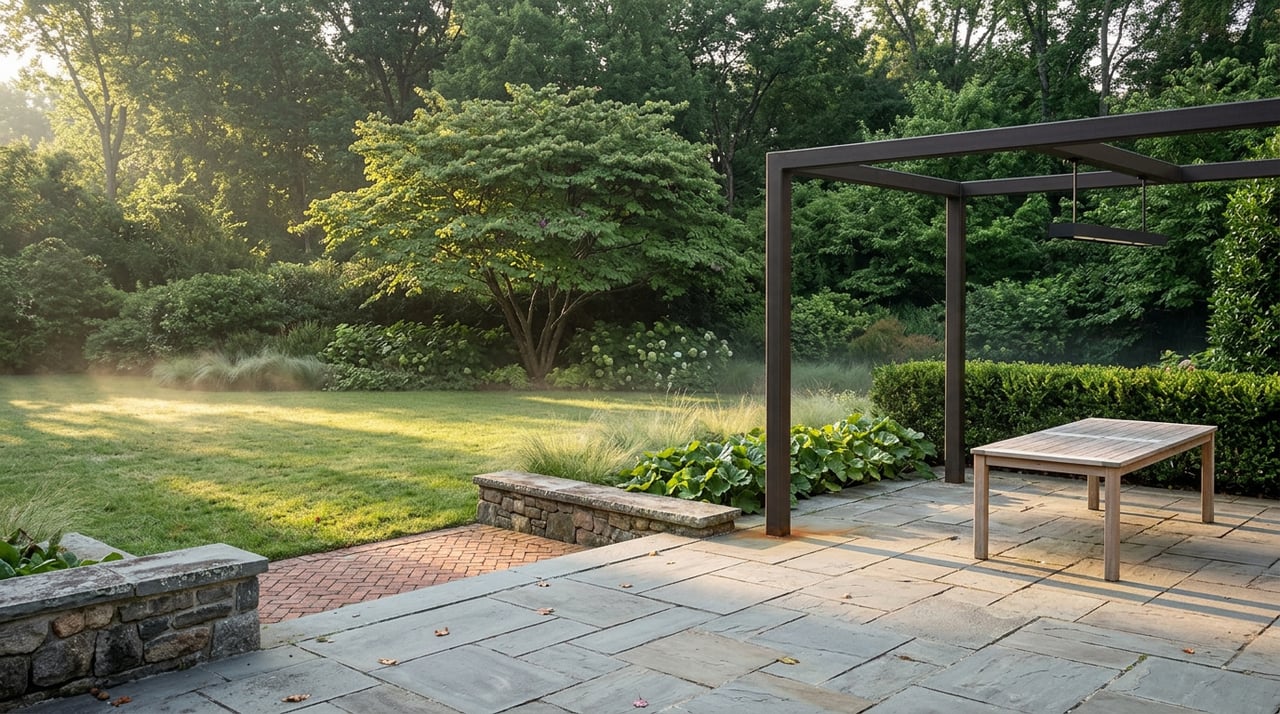
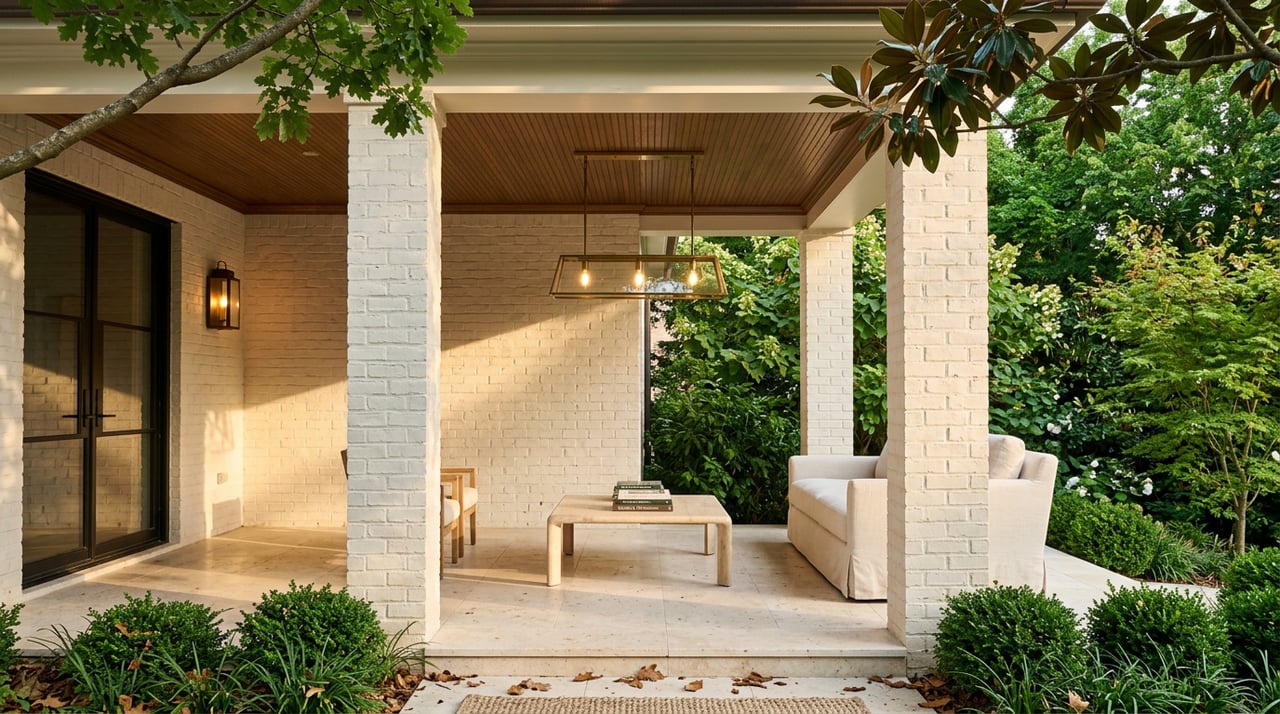
The landscaping does a lot of work too. Mature pines, shade trees, shrubs, ground covers, and lawns create a lightly wooded, park-like setting that softens the architecture and ties the neighborhood together.
In the original plan, the area around the golf course had sidewalks while much of the rest of the district did not. That detail may seem small, but it reinforces the idea that the neighborhood was designed with varied experiences in mind, with the golf-course setting serving as a central organizing feature.
Historic Brookhaven is often associated with the Capital City Country Club and its course, and for good reason. The golf course is not just an amenity nearby. It is part of the neighborhood’s design DNA.
From the beginning, Brookhaven was conceived around a golf-course-centered plan. That planning choice shaped how streets curve, how homes are positioned, and how open space frames the built environment.
This is a key reason the neighborhood feels different from other historic areas in Atlanta. Its identity comes from the interaction between houses and landscape, not from architecture alone.
The National Register nomination describes Historic Brookhaven as a homogeneous historic resource with a high degree of integrity and continuous architectural development from 1910 to 1941. In simple terms, the neighborhood still makes visual sense because so much of its defining period remains intact.
Many homes were designed by prominent Atlanta firms, which adds another layer of architectural pedigree. Later houses, especially post-1941 ranches, differ more noticeably from the historic core, which actually makes the original prewar character easier to recognize.
That clarity matters if you are a buyer who values architectural consistency or a seller trying to understand what supports long-term appeal. When a neighborhood has a legible identity, buyers can usually understand its value more quickly.
If you are shopping in Historic Brookhaven, you may first respond to the beauty of an individual home. But what often creates the lasting impression is the larger setting.
You notice the setbacks, the mature canopy, the curve of the road, and the way homes relate to the land. You notice that the district feels cohesive without feeling repetitive. That is the difference between a neighborhood with historic houses and a neighborhood with historic character.
For design-minded buyers, this can be especially compelling. The appeal is not just in one facade or one floor plan. It is in the total composition of the streetscape.
If you own a home in Historic Brookhaven, architectural character is not just a descriptive phrase. It is part of how buyers interpret scarcity, setting, and overall appeal.
The neighborhood’s identity comes from several elements working together: revival-era facades, prewar scale, mature landscaping, and the golf-course-centered plan. That combination is difficult to replicate in newer developments, which is one reason Historic Brookhaven remains so visually memorable.
For sellers, that means presentation should highlight more than interior finishes. The siting of the house, relationship to the street, mature landscape, and architectural details all help tell the story buyers are looking for here.
The core takeaway is simple: Historic Brookhaven is not defined by one house type alone. Its character comes from the interaction of architecture, lot placement, terrain, landscaping, and neighborhood planning.
Colonial and Georgian Revival homes may dominate the vocabulary, but Tudor Revival, cottages, and other prewar variations all contribute. What ties everything together is the shared scale, the mature setting, and the early 20th-century planning vision that still shapes the neighborhood today.
If you are buying or selling in a place like Historic Brookhaven, understanding that bigger picture can help you make better decisions. Character here is not accidental. It is built into the land, the streets, and the homes themselves.
If you want thoughtful guidance on buying or selling an architecturally significant home in Atlanta, connect with Mary Stuart Iverson for a tailored consultation.
Stay up to date on the latest real estate trends.
Mary Stuart Iverson is a member of Who’s Who In Luxury Real Estate / LuxuryRealEstate.com, an international network of real estate professionals operating in 195 countries and representing the finest residential luxury estates and property brokerages in the world.
Mary Stuart Iverson
1819 Peachtree Rd NE Ste 100 Atlanta GA 30309