Ansley Park Historic Homes: Smart Buyer Considerations
July 23, 2026
July 23, 2026
Wondering whether a historic home in Ansley Park is a dream purchase or a project with surprises? If you are drawn to classic architecture, winding streets, and one of Atlanta’s most established intown settings, you are not alone. The key is knowing what makes this neighborhood unique, what older homes often require, and how to evaluate a property with confidence. Let’s dive in.
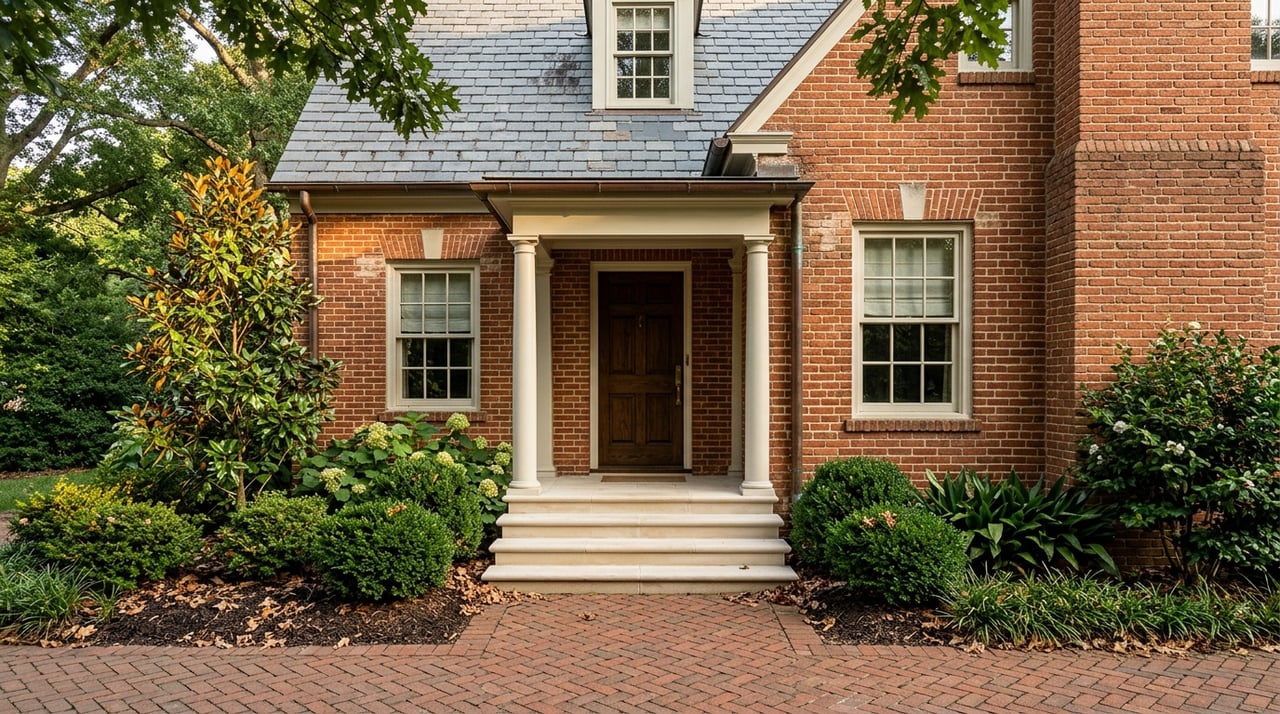
Ansley Park feels different from many intown neighborhoods because it was planned with landscape, street design, and residential character at the center. First developed in 1904 as Edwin P. Ansley’s motorcar-oriented suburb, the neighborhood is known for wide winding streets, green parks, and a strong architectural legacy.
For you as a buyer, that means the value is not just inside the house. The setting matters too. Street pattern, lot placement, tree canopy, and park access all shape how a home lives day to day.
Ansley Park’s park system is a major part of its appeal. The neighborhood has 14 parks, with five forming a continuous link, and no home is more than a 10-minute walk from a park.
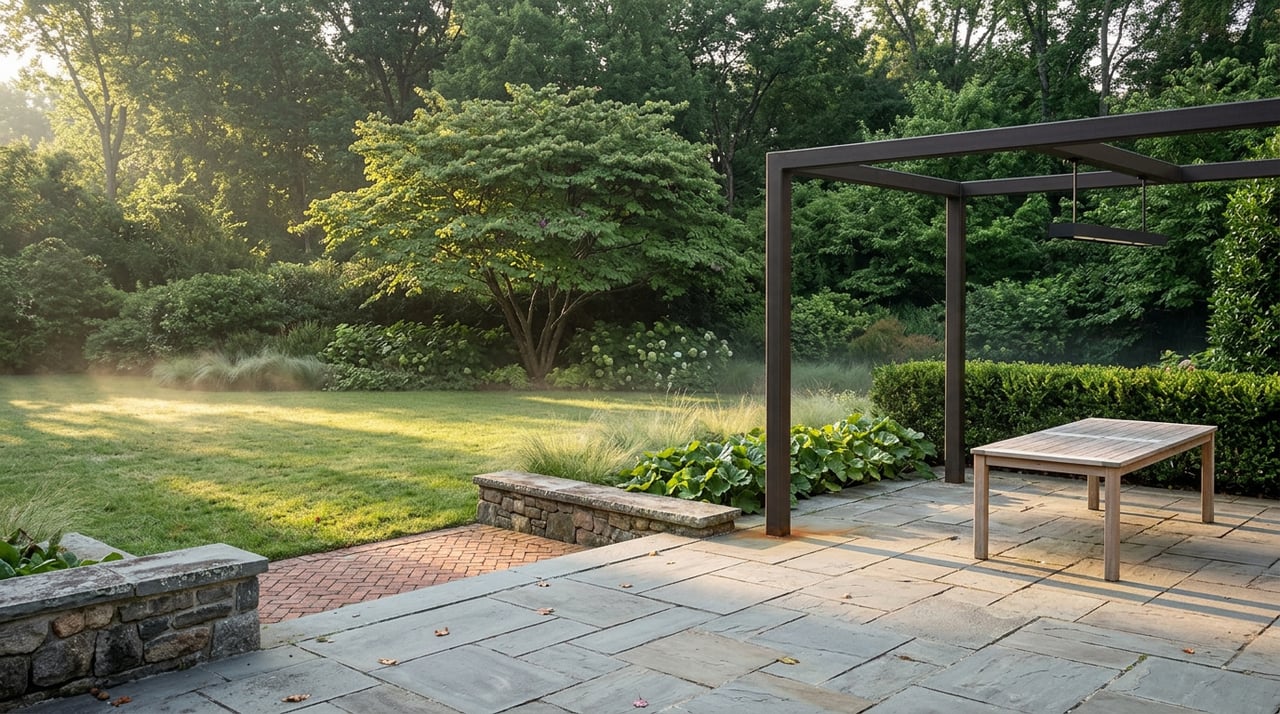
That kind of access can influence how you use the neighborhood. It supports walkability, gives many homes a greener feel, and adds to the sense of openness that buyers often notice right away.
Ansley Park is not uniform from one street to the next. Some western sections, including parts of Peachtree Circle, 15th Street, and the northwest portion of The Prado, have larger lots and deeper setbacks in the 40- to 50-foot range.
By contrast, the northeastern section generally has smaller lots and 35-foot setbacks. A home on one block may feel more private and expansive, while another may feel more compact and connected to the street. That is why hyperlocal evaluation matters here.
When you buy a historic or older home in Ansley Park, your inspection strategy should be broad. Many homes were built decades before modern construction standards, so age-related issues are often part of the picture even in well-maintained properties.
A thorough inspection should look at the site, exterior, interior, structure, electrical, plumbing, and HVAC systems. In practical terms, you should expect conversations around roof wear, moisture intrusion, foundation movement, plumbing updates, electrical capacity, and aging mechanical systems.
If a home was built before 1978, you should assume lead-based paint may be present until proven otherwise. That does not mean every older home has a problem, but it does mean you need to approach future work carefully.
If renovation is part of your plan, lead-safe work practices matter. For pre-1978 homes, using lead-safe certified contractors is an important step when work may disturb older painted surfaces.
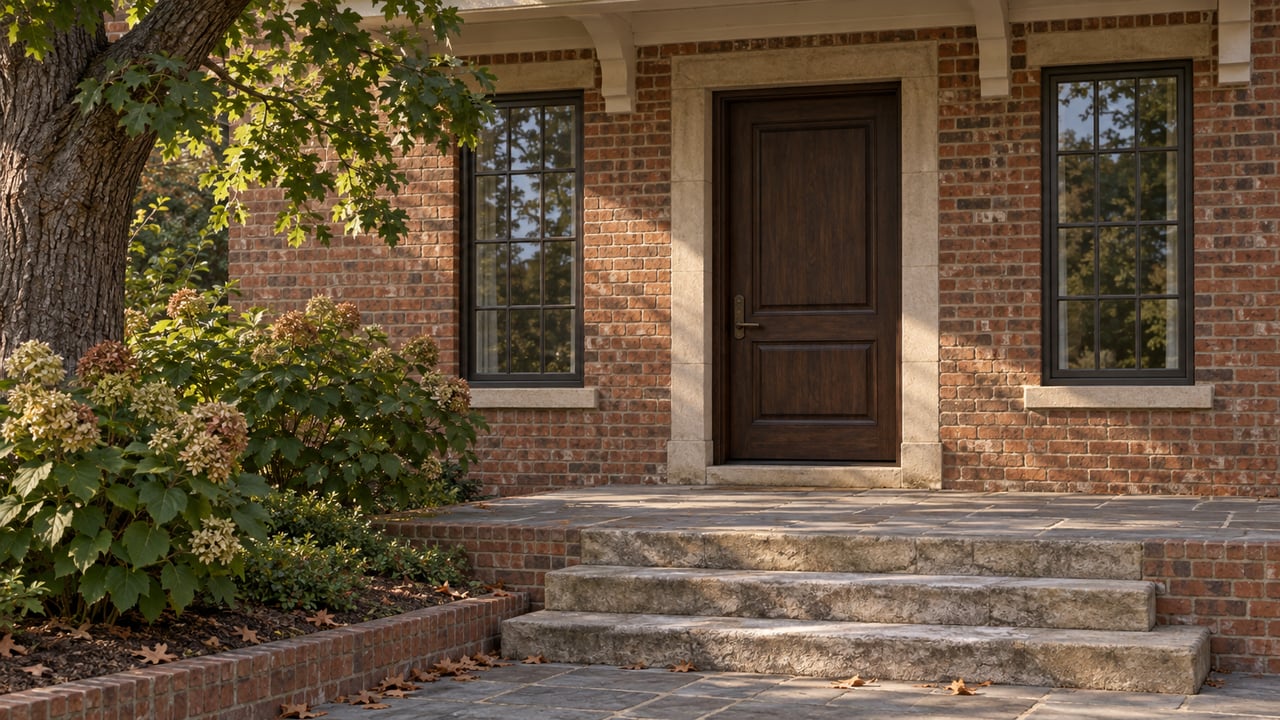
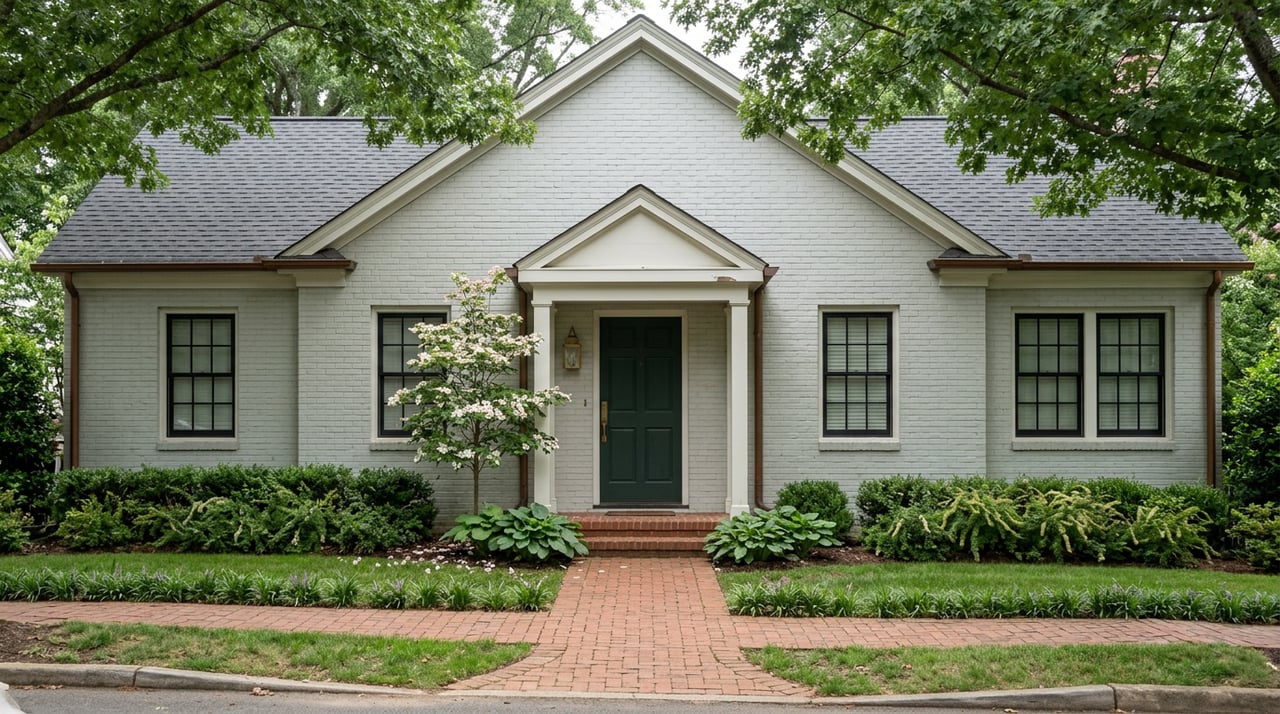
In Ansley Park, one common renovation pattern is preserving the front-facing historic character while updating the rear of the home and modernizing major systems. You may see homes that retain original windows, restore porches, preserve front façades, or repair roofs in a way that matches the home’s original look.
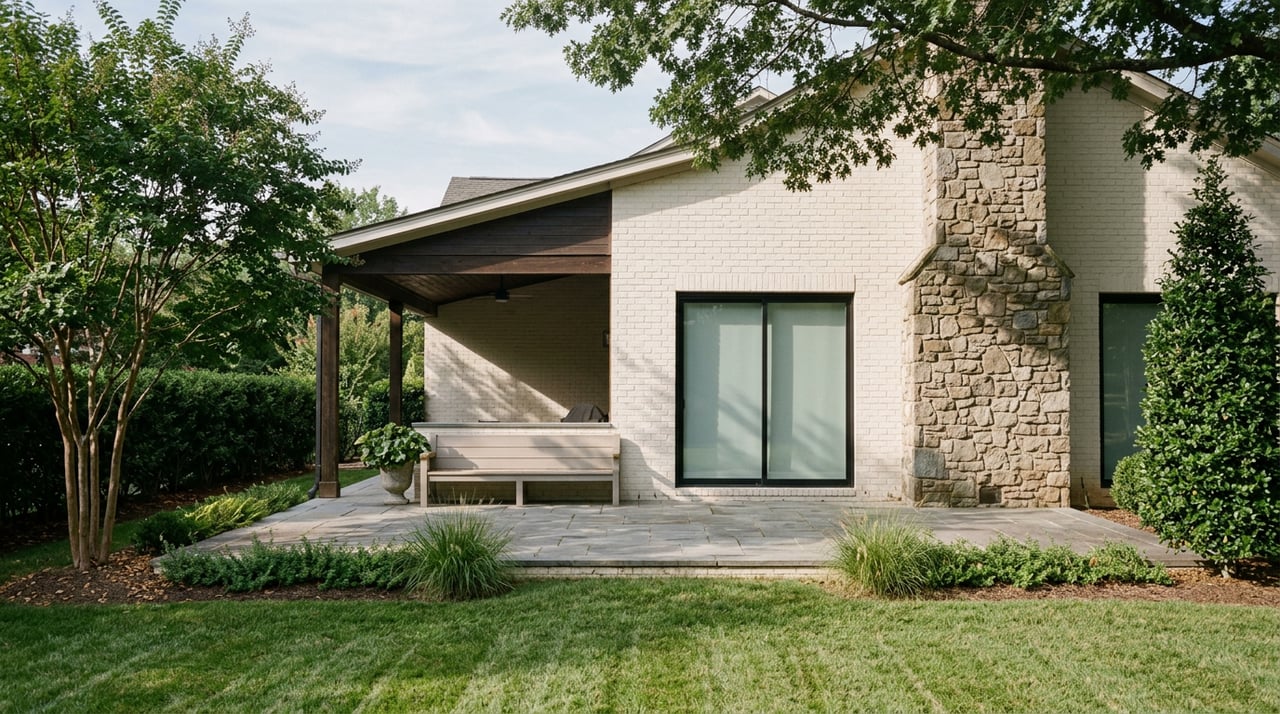
At the same time, thoughtful owners often rewire, update HVAC, and add compatible rear additions. When those improvements are done well, they can be a strong sign that the home has been cared for with both design and function in mind.
One of the biggest questions buyers ask is whether every home in Ansley Park is tightly restricted. The answer is no.
Ansley Park is listed on the National Register of Historic Places, but that is not the same as being in a local historic district. City materials say National Register listing encourages preservation, but it does not by itself restrict private renovations.
Before you make plans for exterior changes, verify the specific property’s designation and zoning status through the City of Atlanta’s GIS Property Info resources and historic preservation materials. This is the clearest way to understand whether local rules, permit requirements, or review steps apply.
If a project does require review, the permit involved is called a Certificate of Appropriateness. Depending on the scope of work, review may be handled by city staff or may require Urban Design Commission review.
This is where details matter. One house may offer more flexibility than you expect, while another may have a review path for certain exterior work.
If you are a design-minded buyer, that does not mean you should avoid the neighborhood. It means you should confirm the rules early so your vision, budget, and timeline stay aligned.
In Ansley Park, daily livability can vary significantly by street. Two homes with similar architecture and finishes can feel very different based on traffic flow, street width, and parking rules.
That is especially important if you are deciding between a quieter interior location and a home on a more active corridor. Your showing experience should include more than the house itself.
The Beverly, Montgomery Ferry, and Polo corridor from Peachtree Street to Monroe Drive has been designated by the city as collector streets. Speed bumps are prohibited there, and neighborhood traffic-calming work has focused on speeding and cut-through traffic concerns.
For you, that means location within Ansley Park should be evaluated carefully. A beautiful house on a busier route may offer a very different day-to-day experience than one tucked deeper into the neighborhood.
Parking is another detail that can affect convenience. Ansley Park participates in Atlanta’s residential permit parking program, and some streets require resident parking permits.
If you host often, use on-street parking regularly, or expect guests to park nearby, check the specific rules for the address you are considering. This is a small detail that can have a meaningful impact once you move in.
Ansley Park’s appeal is not only about architecture. Its value is also shaped by proximity to parks, trail access, and Midtown destinations.
Buyers often place strong value on homes near parks, walkable amenities, and intown conveniences. In Ansley Park, those factors are part of the neighborhood’s everyday experience rather than occasional perks.
The mature tree canopy is a major part of the neighborhood feel. Trees help shade buildings and paved surfaces, reduce heat, and create a stronger sense of privacy and visual softness.
For many buyers, this adds to the emotional pull of the neighborhood. It can make streets feel established, sheltered, and distinct from more recently built areas.
Piedmont Park is a major lifestyle advantage for Ansley Park residents. The BeltLine’s Eastside Trail begins at the tip of Piedmont Park, and the Northeast Trail reaches Monroe Drive at Piedmont Park and passes nearby landmarks including Ansley Golf Club and Ansley Mall.
That connectivity helps support the neighborhood’s intown appeal. If you value active transportation, park access, and easy connection to surrounding destinations, this location checks many boxes.
Midtown is close enough to add real convenience to daily life. The district includes a major concentration of arts and cultural venues, along with destinations such as the Woodruff Arts Center, the High Museum of Art, the Fox Theatre, and the Center for Puppetry Arts.
For buyers considering Ansley Park, that proximity can support long-term desirability. You get a residential setting with established character while staying close to some of Atlanta’s most recognized cultural amenities.
If you are serious about buying a historic home in Ansley Park, a focused due diligence plan can help you move forward with clarity.
Here are the main steps to keep in mind:
Historic rehabilitation incentives can sound appealing, but they are not automatic. The federal rehabilitation credit applies to certified historic structures used for income-producing purposes, and owner-occupied homes do not qualify.
Georgia’s framework is broader, and beginning in 2026 some owner-occupied historic homes may qualify under updated rules if they are locally designated or certified. Because Ansley Park’s neighborhood-wide National Register status is not the same as local historic district designation, you should treat incentive eligibility as highly property-specific.
Buying a historic home in Ansley Park can be deeply rewarding when you understand both the charm and the responsibilities. With the right property research, inspection strategy, and block-by-block perspective, you can make a decision that fits your lifestyle and protects your investment. If you want a knowledgeable local guide as you evaluate Ansley Park homes, connect with Mary Stuart Iverson for a thoughtful, high-touch consultation.
Stay up to date on the latest real estate trends.

Mary Stuart Iverson is a member of Who’s Who In Luxury Real Estate / LuxuryRealEstate.com, an international network of real estate professionals operating in 195 countries and representing the finest residential luxury estates and property brokerages in the world.
Mary Stuart Iverson
1819 Peachtree Rd NE Ste 100 Atlanta GA 30309