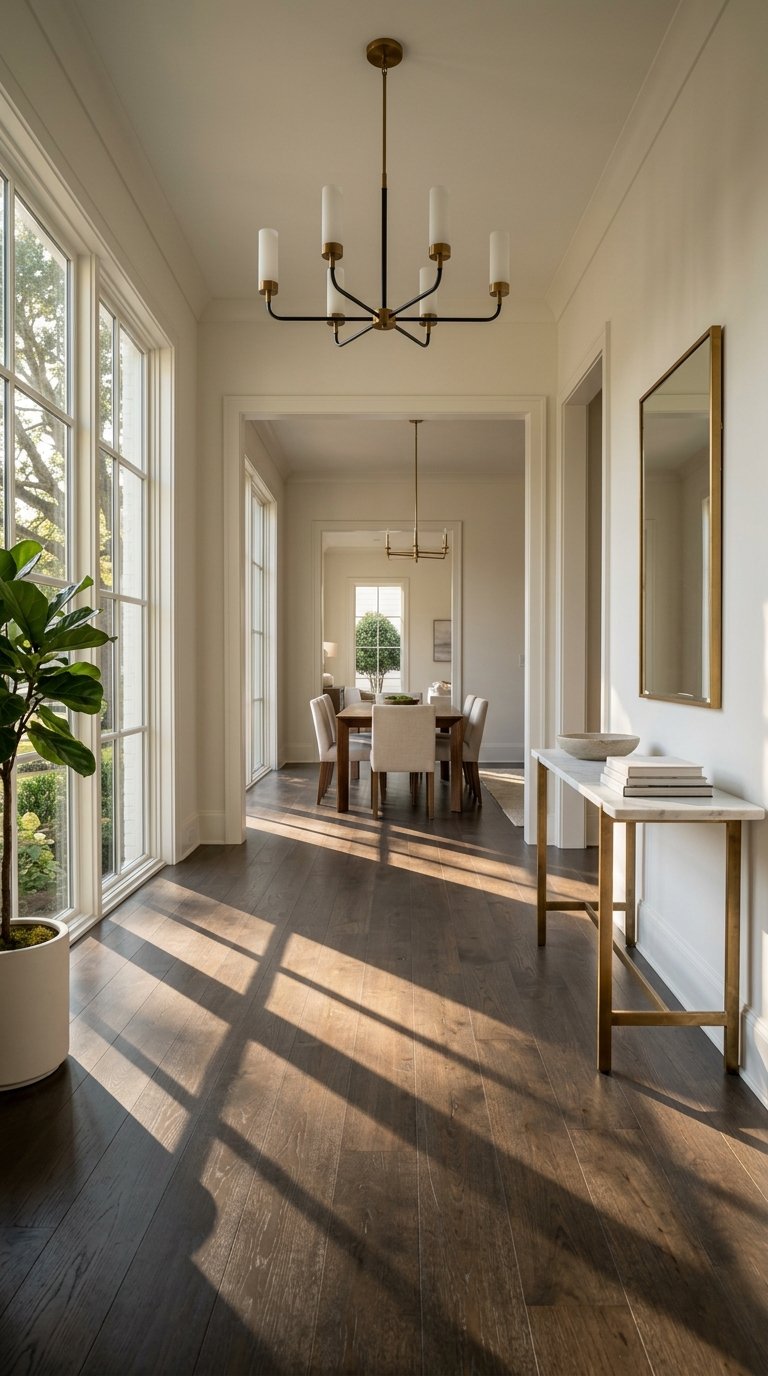
How to Sell a Home in Haynes Manor in Today’s Market
June 11, 2026
June 11, 2026
If you are selling a Haynes Manor home right now, you are not entering an average Atlanta market. This is a small, high-value Buckhead pocket where buyers tend to notice details, compare carefully, and move for the right house, not just any house. If you want to sell well in today’s market, it helps to understand what buyers are responding to, how pricing works in a low-volume luxury neighborhood, and what preparation matters most. Let’s dive in.
Haynes Manor is operating very differently from the broader Atlanta market. In the last 30 days, Orchard reports a median sale price of $2,598,333, 12 homes for sale, a 1-month supply, a median 18 days on market, and a 93.78% median sale-to-list ratio. In that same period, 33.33% of homes sold above list price, while 33.33% of listings also had price drops.
That mix tells you something important. Demand is still there, but buyers are selective. A well-positioned home can attract strong interest, while an overpriced listing may sit long enough to need a correction.
By contrast, the Atlanta REALTORS® Association’s April 2026 market brief shows metro Atlanta with 19,224 active listings, a 4.4-month supply, a median sales price of $436,000, and average and cumulative days on market of 19 and 24 days. In other words, broad Atlanta headlines do not tell the full story for Haynes Manor.
One of the biggest mistakes sellers can make is pricing a Haynes Manor home against broad Buckhead or metro Atlanta averages. In a micro-market with low inventory and few recent sales, the closest true comparables matter most. That means looking hard at location within the neighborhood, lot presence, architectural style, condition, updates, and how the home competes with current active listings.
With only six sales and five new listings in Orchard’s last 30-day snapshot, each data point carries more weight than it would in a larger market. That is why pricing discipline matters. Buyers in this segment often know exactly what they want, and they can spot when a home is priced for aspiration rather than the market in front of it.
A smart pricing strategy does not mean underpricing. It means positioning the home where it can compete confidently, create urgency, and avoid becoming one of the listings that chases the market down.
Haynes Manor has a very specific identity, and buyers often respond to more than square footage. Atlanta Homes & Lifestyles describes the neighborhood as traditional but polished, centered along Peachtree Battle, with close ties to Atlanta Memorial Park, Bobby Jones Golf Course, Bitsy Grant Racquet Center, Haynes Manor Park, and the nearby Peachtree Battle Shopping Center. The same source notes that the neighborhood was developed in 1925 on 190 acres.
That context shapes buyer expectations. People shopping in Haynes Manor are often paying attention to how a home sits on the lot, how it connects to the street, whether the landscaping feels established, and whether the house reflects the neighborhood’s architectural character.
The New Georgia Encyclopedia places Haynes Manor within Atlanta’s suburban historicism era and notes the area includes Tudor and Cotswold-style houses along with other traditional revival forms. For sellers, that matters because many buyers are not just comparing kitchens and bathrooms. They are also reacting to craftsmanship, proportions, facade appeal, masonry, millwork, and whether the home feels authentic.
In a neighborhood like Haynes Manor, presentation is not about making a home look trendy. It is about helping buyers see quality, care, and architectural integrity right away. That starts before photography and before the listing goes live.
For many sellers, the best pre-listing work includes cleaning up deferred maintenance, tightening visible finishes, improving landscaping, and making sure the home reads as well cared for. In an architecture-driven neighborhood, buyers may be more forgiving of an older finish than they are of worn paint, damaged trim, aging masonry, or missing documentation.
It also helps to identify and highlight character-defining features. Original windows, staircases, woodwork, fireplaces, facades, and masonry details can be part of the home’s value story. When those elements are preserved or thoughtfully restored, they can strengthen buyer confidence.
Because many Haynes Manor homes date to the 1920s and 1930s, buyers often look closely at condition and documentation. If your home falls into that category, preparation should include both cosmetic and practical review.
A pre-listing inspection can be especially helpful. It gives you time to address visible issues before buyers see them, and it can reduce surprises once you are under contract. In a luxury sale, fewer unanswered questions often leads to a smoother negotiation.
You should also gather records for major improvements. Permits, invoices, warranties, and renovation summaries can help support the story of the home, especially when updates involve structural work, additions, systems, or exterior changes.
If your property may be in a Historic or Landmark District, do not wait until listing week to investigate. Atlanta’s Historic Preservation Studio says owners should use the city’s GIS and property tools to determine whether a property is in a Historic or Landmark District. The city also notes that the permit and review process depends on the scope of work, with regulations found in Chapter 20 of the zoning ordinance.
For sellers, the practical takeaway is simple. Verify whether prior exterior work or additions required preservation review, and gather any approvals before the home hits the market. If buyers raise questions about changes to the facade or exterior, you want clear answers ready.
This step is especially important in a neighborhood where the streetscape and architectural context are part of the appeal. Documentation can support buyer trust and help avoid preventable concerns during due diligence.
Many sellers assume they need to renovate everything before putting a Haynes Manor home on the market. Usually, that is not the best play. In a neighborhood defined in part by historic architecture and original character, a full cosmetic reset can erase details buyers actually value.
Instead, focus on what improves confidence and first impressions. That often means:
The goal is to present a home that feels cared for, functional, and true to its architecture. Buyers in this segment often respond better to authenticity than to generic updates.
If your home was built before 1978, lead-based paint disclosure requirements should be handled early. According to the EPA, sellers, agents, and property managers must provide known information about lead-based paint hazards, any available reports, the EPA pamphlet, a lead warning statement, and a 10-day opportunity for the buyer to conduct a lead inspection or risk assessment unless that opportunity is waived.
Even when a home has been renovated beautifully, that paperwork still matters. Waiting until the last minute can slow down the transaction and create unnecessary stress. Getting it organized up front is part of a well-run listing process.
In Haynes Manor, strong marketing is not just about exposure. It is also about framing the home correctly for the buyer most likely to appreciate it. For architecturally significant homes, that means showing what is original, what has been restored, what has been replaced, and what was permitted.
That story should come through in the visuals, the copy, and the overall presentation. Buyers in this market often want more than a feature list. They want context, quality, and a sense of how the home fits into the neighborhood.
This is where thoughtful preparation and premium presentation can work together. A polished listing can help buyers see the home’s value faster and more clearly, especially when the property has details that deserve careful explanation.
If you are planning to sell a Haynes Manor home, start with a focused plan. In a niche luxury market, early decisions can shape both your timeline and your outcome.
Here is a smart starting checklist:
Selling in Haynes Manor is not about following a generic Atlanta playbook. It is about understanding the neighborhood, honoring the home’s character, and positioning it with precision.
When you do that well, you put yourself in a stronger position to attract serious buyers and protect your value. If you are thinking about your next move in Buckhead, Mary Stuart Iverson can help you build a smart strategy for your home and your timeline.
Stay up to date on the latest real estate trends.
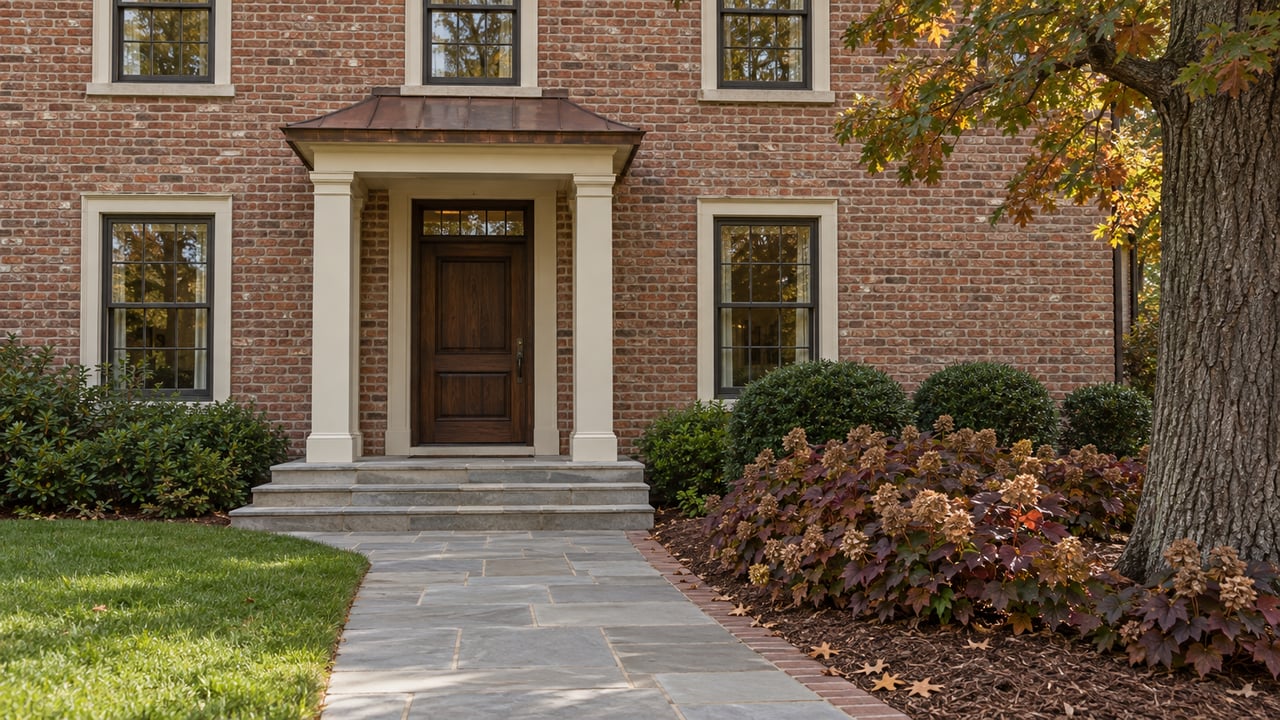
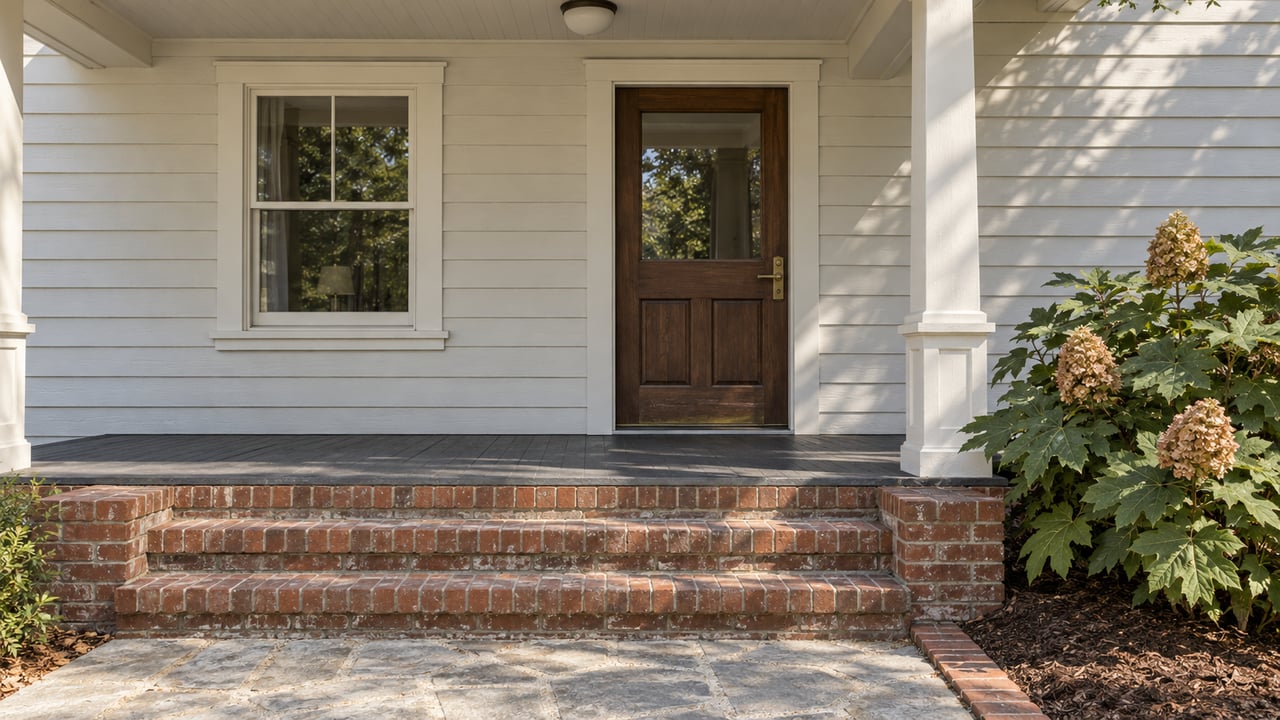
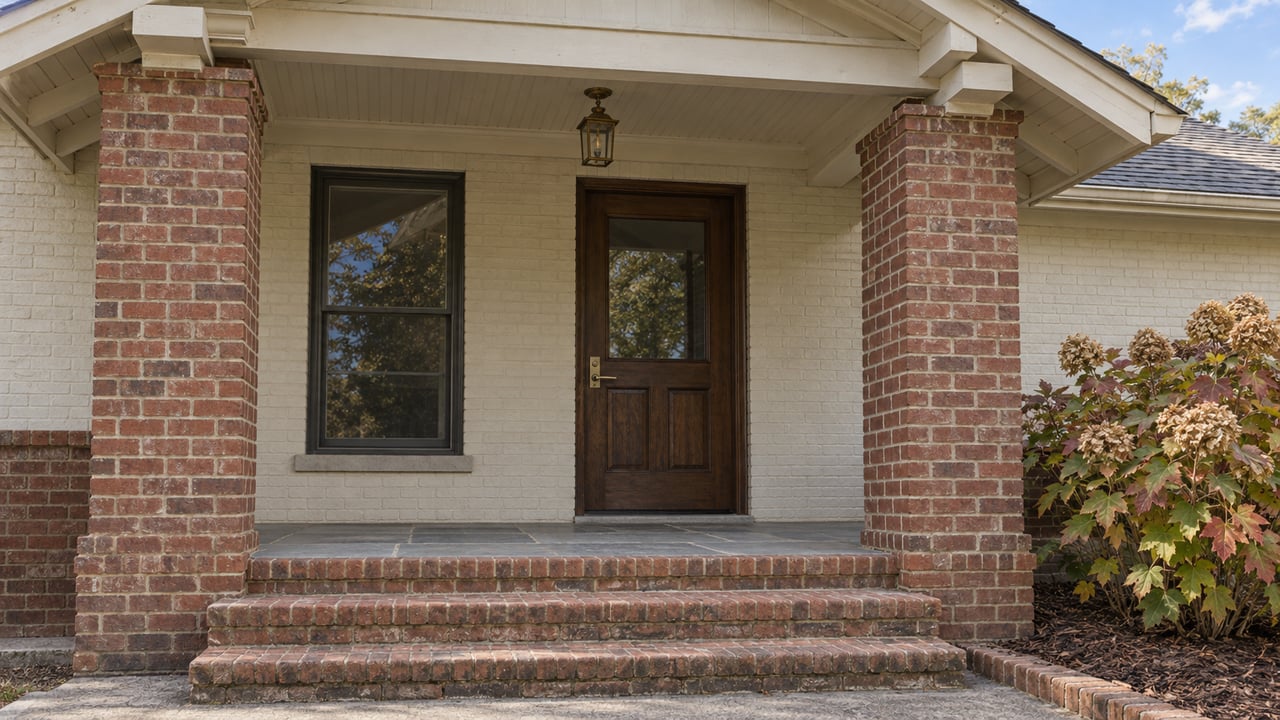
Mary Stuart Iverson is a member of Who’s Who In Luxury Real Estate / LuxuryRealEstate.com, an international network of real estate professionals operating in 195 countries and representing the finest residential luxury estates and property brokerages in the world.
Mary Stuart Iverson
1819 Peachtree Rd NE Ste 100 Atlanta GA 30309