How the BeltLine Influences Ardmore Park Atlanta Real Estate
June 4, 2026
June 4, 2026
If you are looking at Ardmore Park, the BeltLine is not just a nice bonus. It is one of the biggest reasons this small South Buckhead pocket stands out in Atlanta’s intown market. Whether you are thinking about buying, selling, or simply tracking home values, understanding how the BeltLine shapes demand here can help you make a smarter move. Let’s dive in.
Ardmore Park sits in a strong position along the Atlanta BeltLine story because it offers both current access and future connectivity. The neighborhood association notes that the area is along the BeltLine and within walking distance of restaurants, coffee shops, Piedmont Hospital, and nearby recreation. The BeltLine’s Northside Trail also runs through the broader area, including Tanyard Creek Park and Ardmore Park.
That matters because buyers are often drawn to neighborhoods where daily life feels easier and more connected. In Ardmore Park, the BeltLine is part of that equation right now, not just a future promise. You are not buying into a concept here. You are buying into an established intown setting with direct outdoor access already in place.
The BeltLine’s official Northside Trail is a 2.9-mile stretch running from I-75 through Tanyard Creek Park to Peachtree Creek. The trail describes the Tanyard Creek and Ardmore Park area as a quieter part of the corridor. That quieter feel can be especially appealing if you want trail access without giving up the more tucked-away character many buyers want in South Buckhead.
For homeowners, this kind of access often changes how a neighborhood feels day to day. A trail nearby can support morning walks, bike rides, park visits, and easier connections to nearby destinations. In Ardmore Park, that access is layered into an already established residential area, which gives it a different feel than a purely redevelopment-driven BeltLine location.
Ardmore Park also benefits from the BeltLine’s longer-term growth plans. In a November 2024 city release, Atlanta said the future Northwest Trail will extend 4.3 miles from Blandtown to the Lindbergh and Morosgo area. The city said that route will connect neighborhoods and landmarks including Ardmore Park, Brookwood, Brookwood Hills, and Collier Hills.
For buyers, that future connection adds another reason to pay attention to this area. For sellers, it supports a larger story about where the neighborhood fits in Atlanta’s evolving trail network. The key point is simple: Ardmore Park already has meaningful BeltLine access, and its connectivity story may grow over time.
In this neighborhood, the park itself is part of the value. The Ardmore Park Neighborhood Association says the playground sits on the BeltLine and provides a direct walking path to Tanyard Creek Park, Memorial Park, Bitsy Grant Tennis Center, and Bobby Jones Golf Course. That is a strong amenity stack for a relatively small residential pocket.
This matters because buyers are not only evaluating a house. They are also evaluating what sits just outside the front door. In Ardmore Park, the combination of trails, tree cover, recreation, and nearby destinations helps support the neighborhood’s identity and market appeal.
One of the more overlooked parts of real estate value is neighborhood care. Ardmore Park has an active history of local stewardship, and that can shape how buyers perceive the area. The neighborhood association says it helped protect Ardmore and Tanyard Creek Parks in 2002, and the playground upgrade was completed in spring 2025 before reopening on July 10, 2025.
That kind of investment sends a clear signal. Buyers often respond well to neighborhoods that feel established, cared for, and actively supported by residents. In a character-driven intown market, that sense of stewardship can reinforce confidence in the area’s long-term appeal.
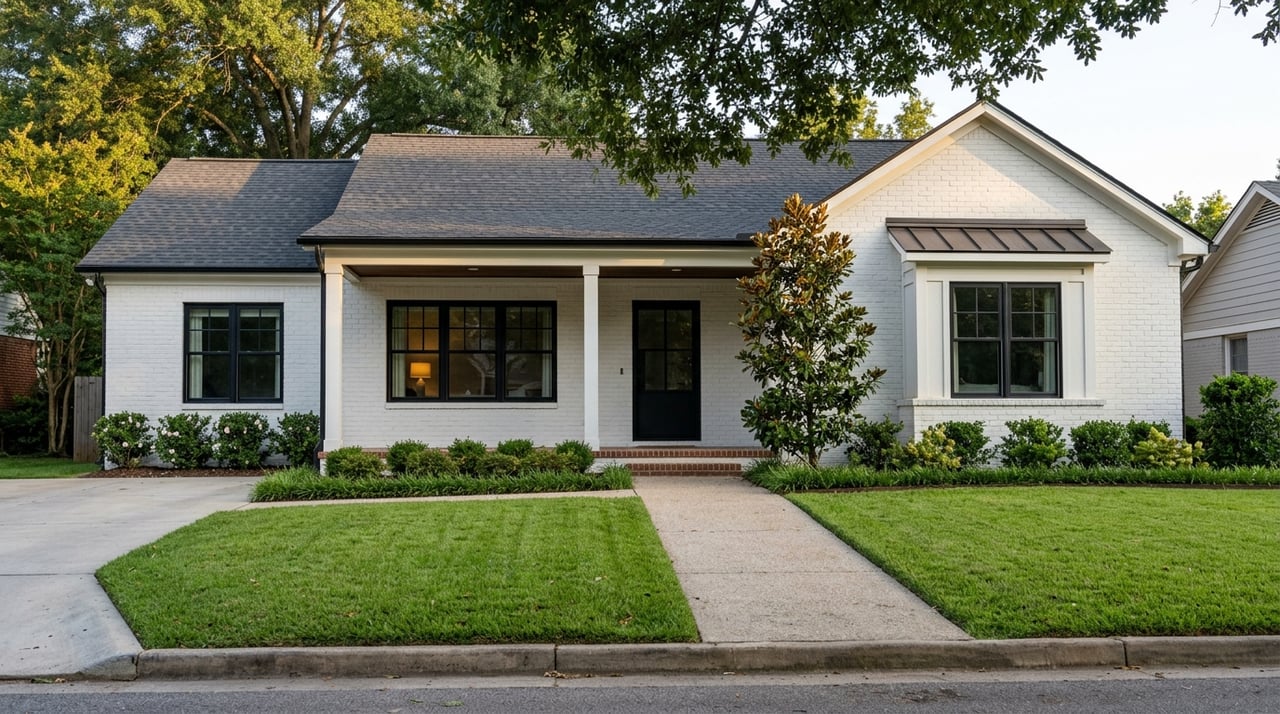
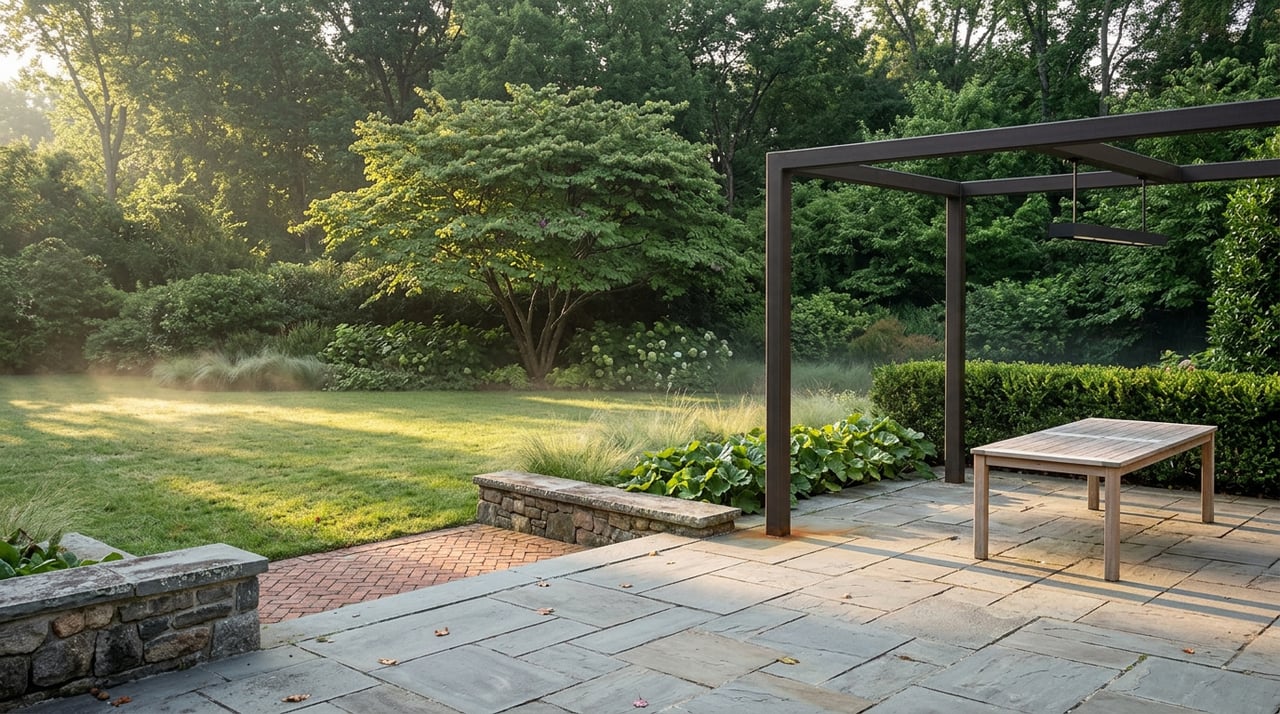
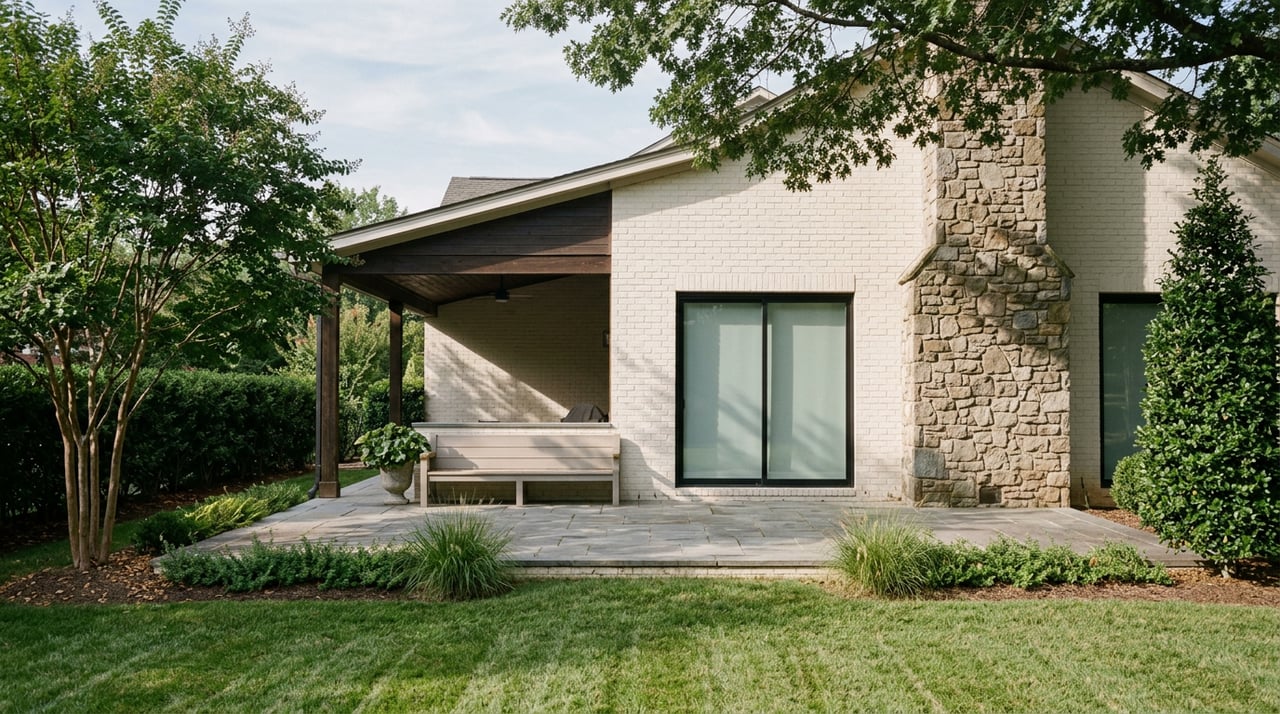
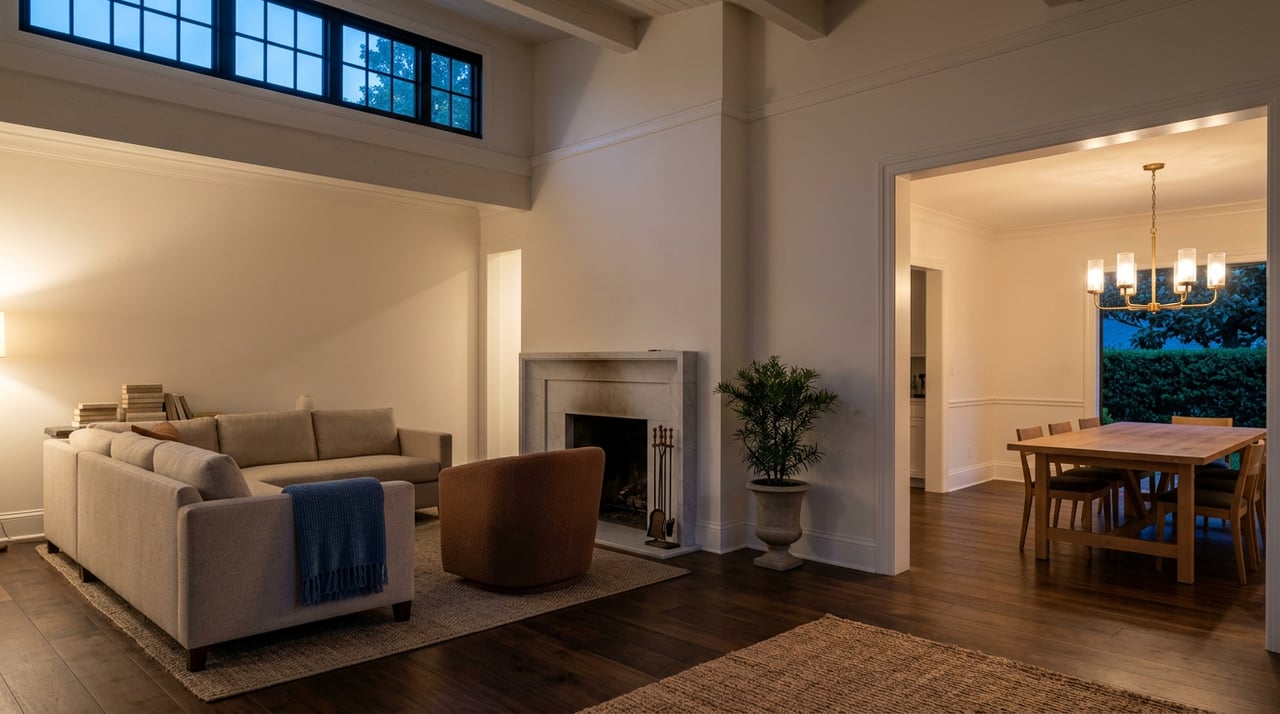
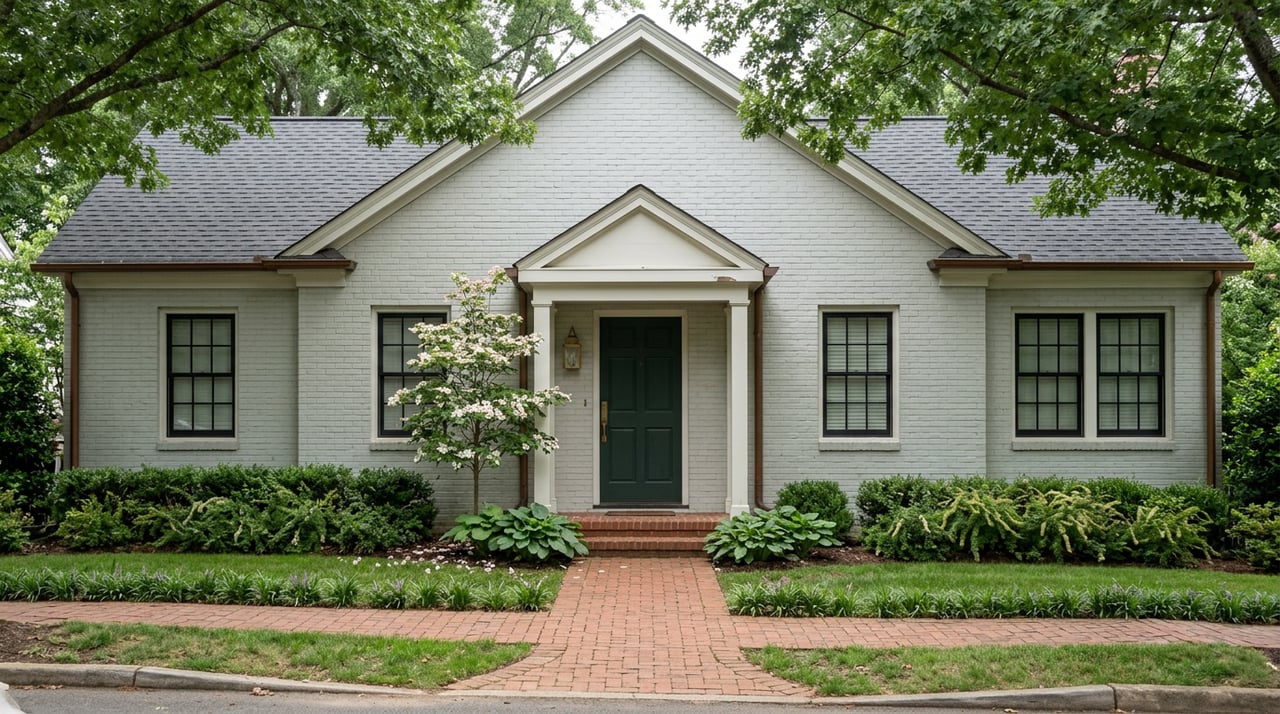
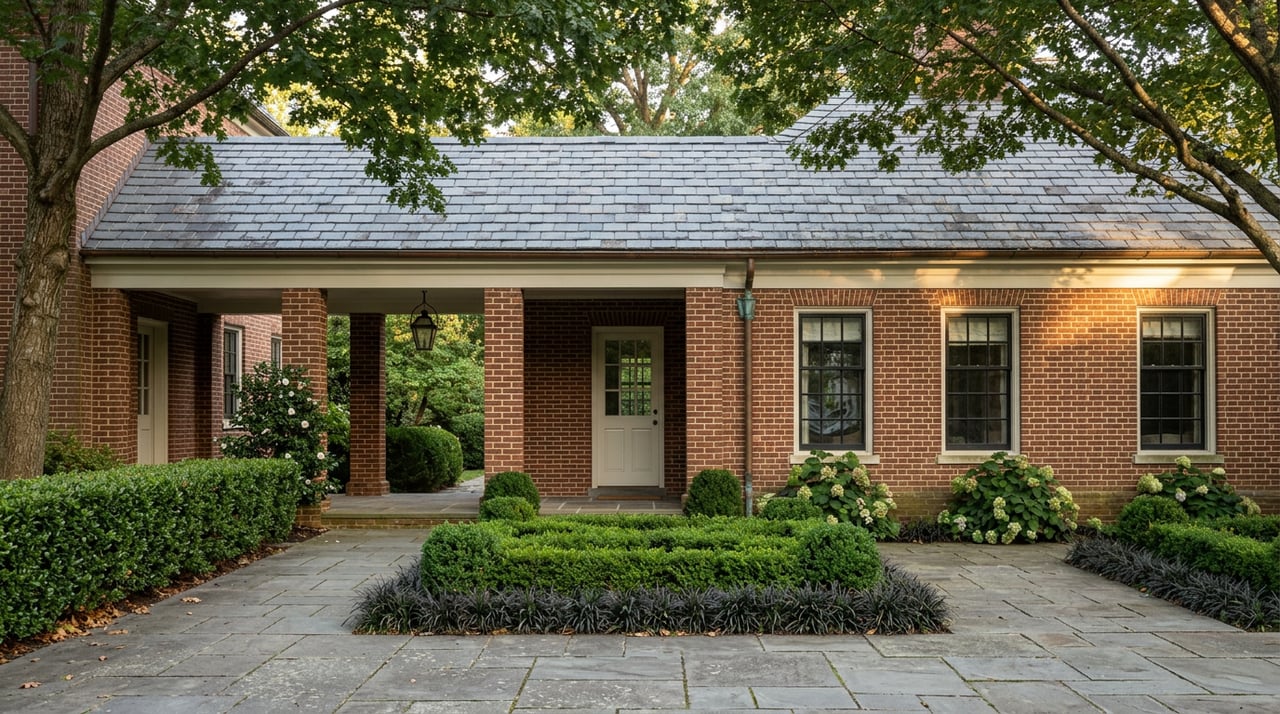
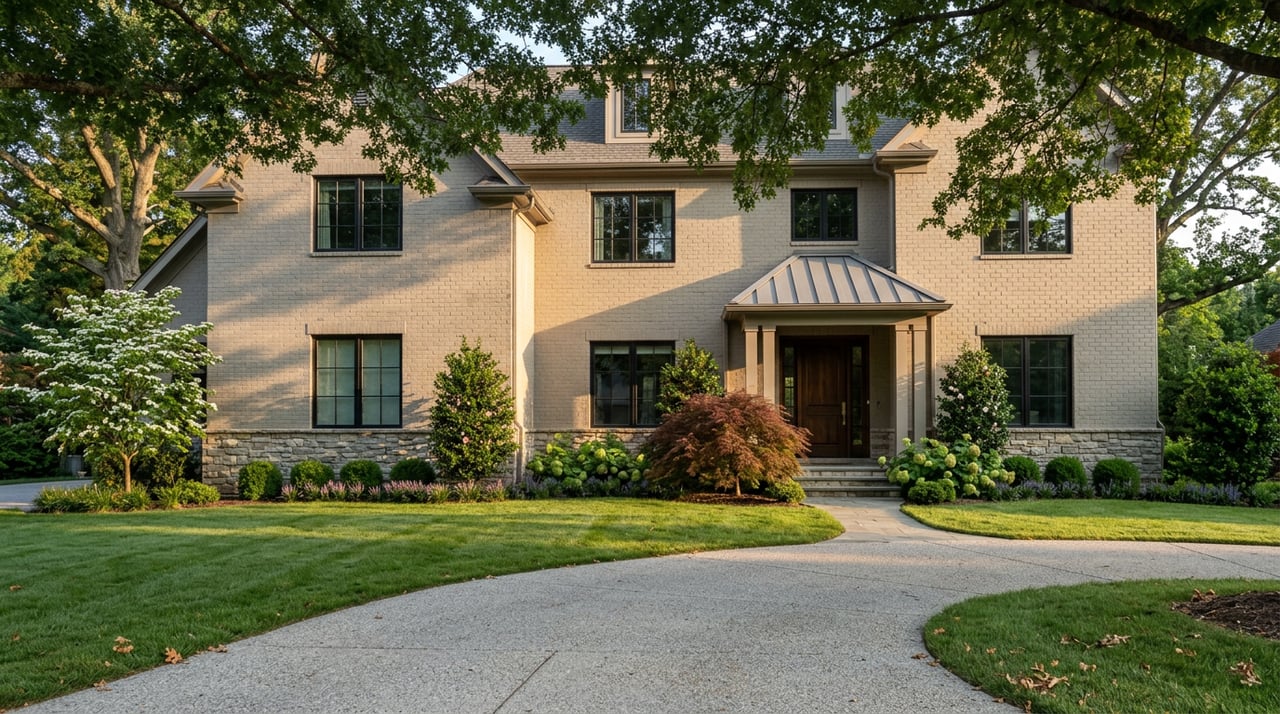
Ardmore Park is not a new-construction neighborhood with a uniform look. The area developed over several decades, beginning in the early 1920s, with additional buildout in the 1930s, 1940s, and 1950s. Available neighborhood descriptions point to cottage-style homes, Cape Cod cottages, Colonial Revivals, and Craftsman-style bungalows.
That housing mix is important when you think about the BeltLine’s impact. In Ardmore Park, the trail is not creating value from scratch. Instead, it adds an amenity premium to an existing neighborhood with architectural character and established streetscapes. For many buyers, that combination is more compelling than newer inventory without the same sense of place.
It is important to note that most market data is published for the broader Ardmore neighborhood rather than the smaller Ardmore Park pocket. Even so, those numbers offer a useful snapshot of demand. Redfin’s April 2026 data showed a median sale price of $689,744, median days on market of 57, a 97.4% sale-to-list ratio, and 7.7% of homes selling above list price.
Realtor.com’s February 2026 snapshot showed a median listing price of $699,000, 16 homes for sale, and a median 31 days on market, while describing Ardmore as a seller’s market. Homes.com reported an average value of $643,741, a median sale price around $650,000, and an average price per square foot of $391. Taken together, the market reads as a higher-priced intown pocket with limited supply and steady buyer interest.
Research on the BeltLine broadly supports the idea that proximity can boost desirability and pricing. A 2007 study found strong price premiums near the BeltLine Tax Allocation District, especially within roughly a quarter-mile, with effects tapering beyond a half-mile. An Urban Institute summary also said home prices near the BeltLine rose faster than in areas farther away from 2011 to 2015.
In Ardmore Park, the BeltLine likely works as an amenity premium more than a redevelopment premium. That is because the neighborhood already has established housing, active local stewardship, direct park access, and a strong location within South Buckhead. In other words, the BeltLine here enhances an already desirable setting.
If you are considering a move into Ardmore Park, it helps to look beyond the house itself. In a neighborhood like this, value is often tied to location details that can feel small at first but matter a great deal over time.
Pay close attention to:
Because inventory appears limited, well-located and well-updated homes may continue to attract attention. If you are comparing homes in nearby areas, these location and lifestyle details can help explain pricing differences.
If you own a home in Ardmore Park, the BeltLine should be part of your marketing story. Not in a generic way, but in a specific and neighborhood-grounded way. Buyers want to understand how a home lives, not just how it looks online.
The strongest points to emphasize include:
In a market with thin inventory, strong presentation and precise neighborhood positioning can make a meaningful difference. Buyers relocating from other parts of Atlanta, or from out of town, often need help understanding why Ardmore Park commands attention.
Ardmore Park sits at a compelling intersection of character, convenience, and outdoor access. It offers established homes, a quieter stretch of the BeltLine corridor, and a location that connects easily to major intown destinations. That combination helps explain why the neighborhood continues to draw steady demand.
For buyers, the appeal is often about lifestyle as much as square footage. For sellers, the opportunity is to present the home within the full context of what makes this pocket special. When you understand the BeltLine’s role here, you can see why Ardmore Park continues to hold its place as one of intown Atlanta’s most distinctive small neighborhoods.
If you are thinking about buying or selling in Ardmore Park, working with a broker who understands the nuances of Atlanta’s intown neighborhoods can give you a real edge. For tailored guidance, local market insight, and a thoughtful strategy, connect with Mary Stuart Iverson.
Stay up to date on the latest real estate trends.
Mary Stuart Iverson is a member of Who’s Who In Luxury Real Estate / LuxuryRealEstate.com, an international network of real estate professionals operating in 195 countries and representing the finest residential luxury estates and property brokerages in the world.
Mary Stuart Iverson
1819 Peachtree Rd NE Ste 100 Atlanta GA 30309