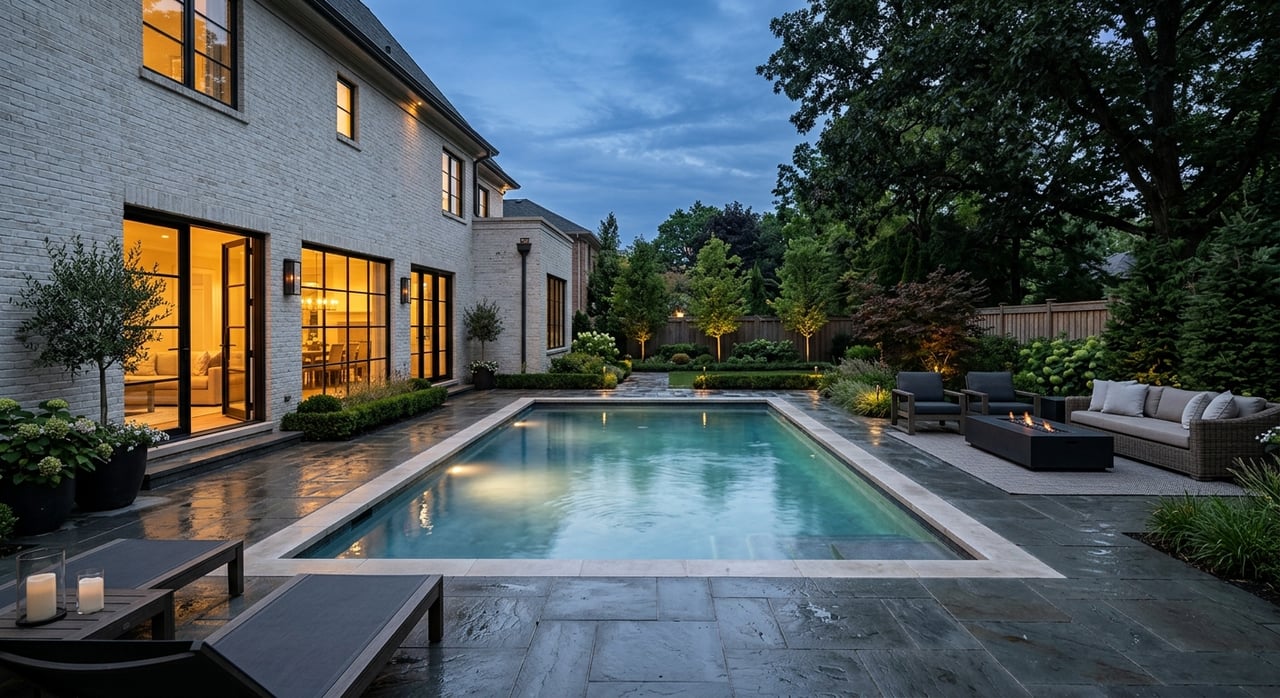
Brookwood Hills Swim Tennis Living in Atlanta
May 7, 2026
May 7, 2026
If you are looking for an intown Atlanta neighborhood with a true community center, Brookwood Hills stands out fast. This is not just a place with attractive homes and a convenient address. It is a historic neighborhood with a long-established swim and tennis culture, a preservation-minded layout, and a social rhythm that feels hard to replicate elsewhere in the city. If you want to understand what makes Brookwood Hills unique, this overview will help you see how the neighborhood lives day to day. Let’s dive in.
Brookwood Hills dates to 1922, making it one of Atlanta’s earliest suburban neighborhood developments. City preservation materials trace its growth to development along Peachtree Road near Brookwood Station, and the neighborhood still reflects early planning ideas that emphasized curving streets, street trees, and a park-like setting.
That original vision still shapes the experience of living here. Brookwood Hills has maintained an early 20th-century suburban feel even as the surrounding area has become more urban. For buyers who want an in-town location without giving up a more tucked-away atmosphere, that balance is a big part of the draw.
The neighborhood also carries formal historic recognition. Brookwood Hills became a Conservation District in 1994, and it is also listed on the National Register of Historic Places. That preservation framework helps support the neighborhood’s established character and architectural continuity.
In Brookwood Hills, the community club is not a side amenity. It is the heart of the neighborhood. The recreation area was set aside in 1926 and remains under club ownership, with the pool, tennis courts, play areas, and clubhouse serving as a central gathering place.
The club sits on more than 5 acres in the middle of the neighborhood, and the neighborhood also includes 75 acres of protected green space. Together, those features give Brookwood Hills a more inward-facing, town-like feel than many intown neighborhoods.
Current membership materials show a wide range of club offerings, including the pool, swim team, tennis and pickleball courts, ALTA teams, social events, park and playground access, security benefits, BrookNotes, and NPU representation. That mix adds up to more than recreation. It creates a built-in neighborhood ecosystem.
Brookwood Hills functions more like an active social club than a quiet neighborhood with minimal shared programming. Club sponsorship materials list events such as Spring Fling & Egg Hunt, New Member Party, Young Entrepreneur Fair, Happy Hour Pool Opening, Fall Fest, Halloween, and Jolly Holly Day.
That matters if you are trying to picture daily life here. In some neighborhoods, amenities are nice to have but rarely shape how people connect. In Brookwood Hills, the club helps drive interaction, traditions, and a sense of continuity across generations of residents.
The membership structure is important for buyers to know upfront. Resident homeowners may apply at any time, while non-resident memberships are limited, waitlisted, and reviewed annually in early spring. The bylaws also state that swim team participants must be active club members.
That setup reinforces the neighborhood-first nature of the club. If you are buying in Brookwood Hills, that can be a meaningful part of the value. If you are comparing it to other intown options, it is worth understanding that this is not a standard open-access amenity model.
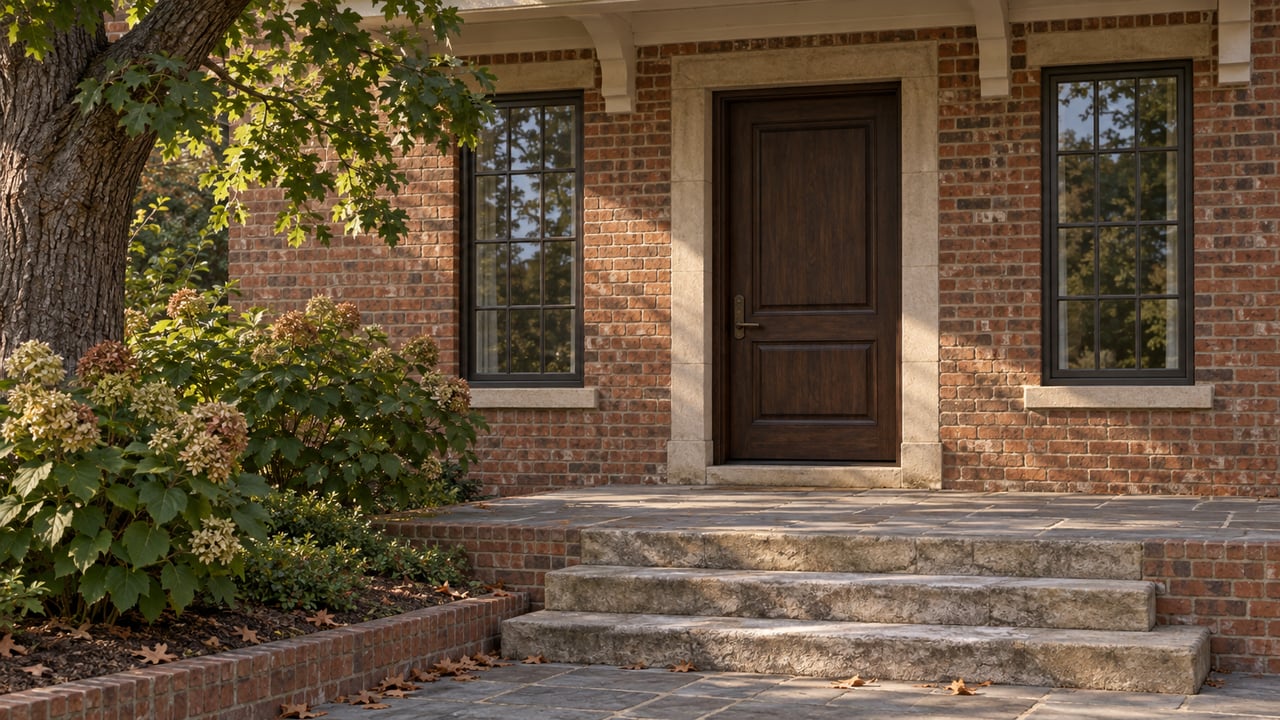
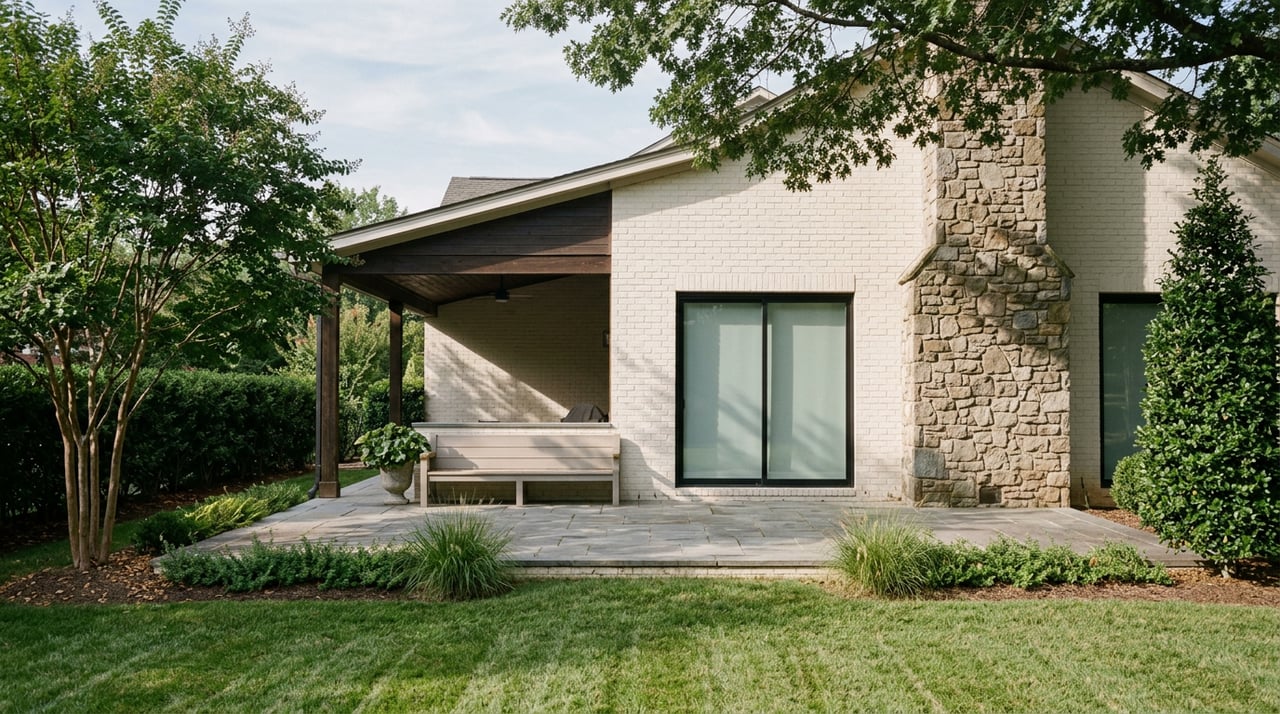
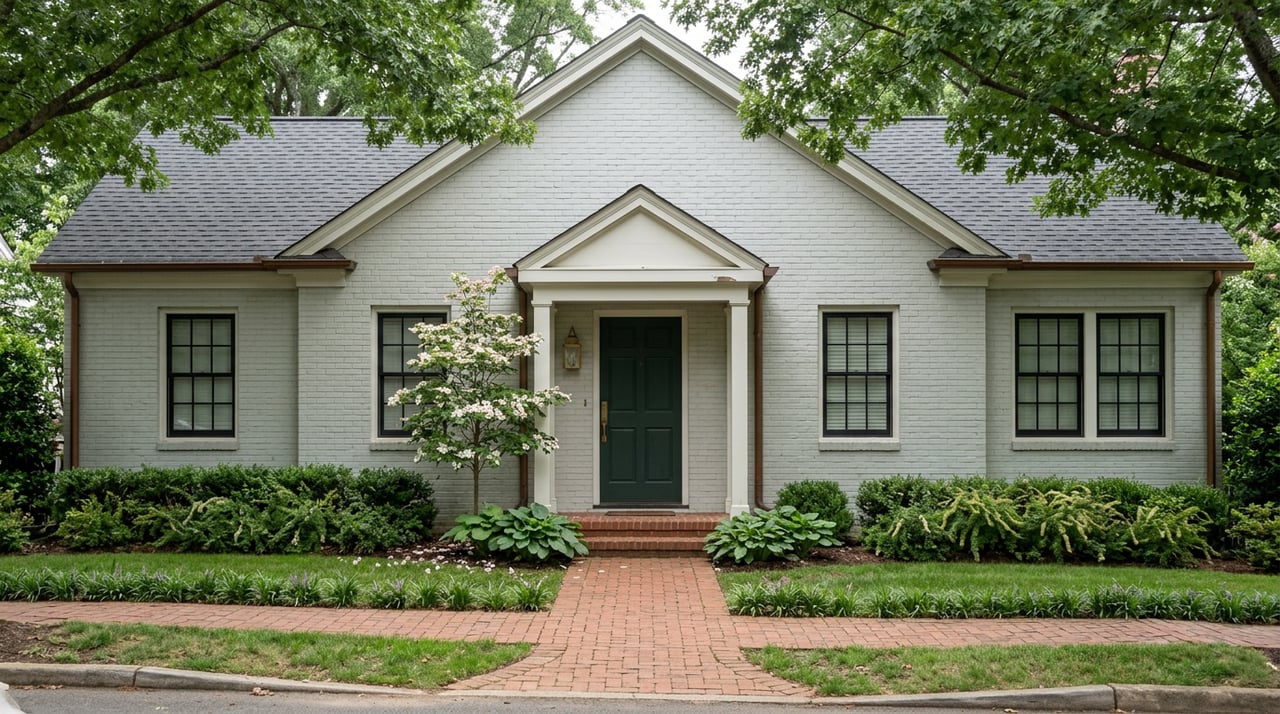
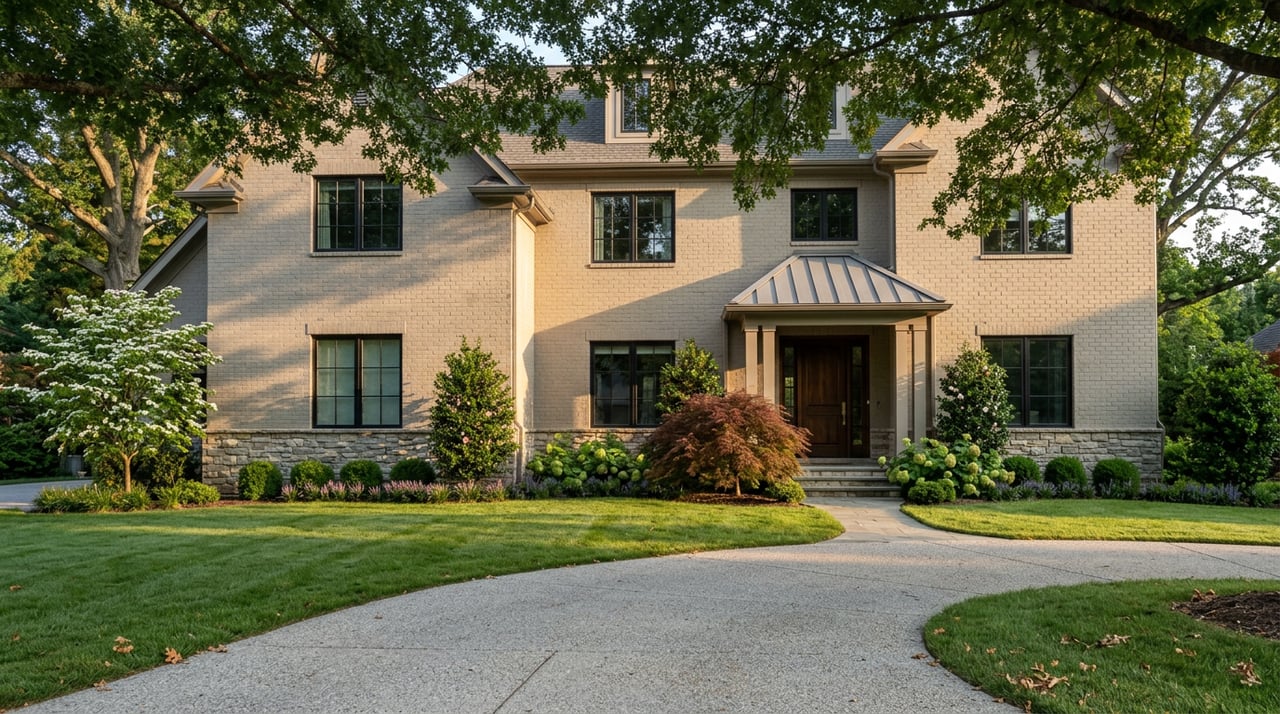
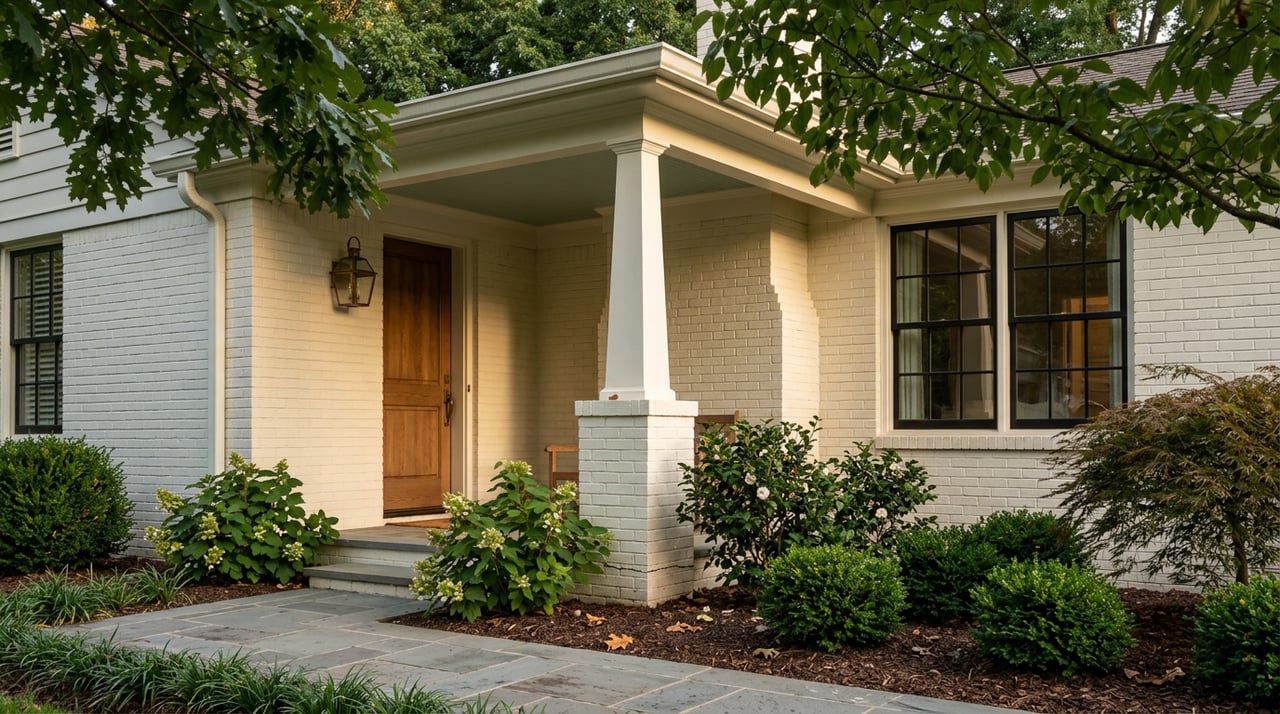
Brookwood Hills is architecturally varied, which is one reason it appeals to design-minded buyers. According to the City of Atlanta, the neighborhood includes English Vernacular Revival, Colonial Revival, Neoclassical Revival, and Craftsman bungalows.
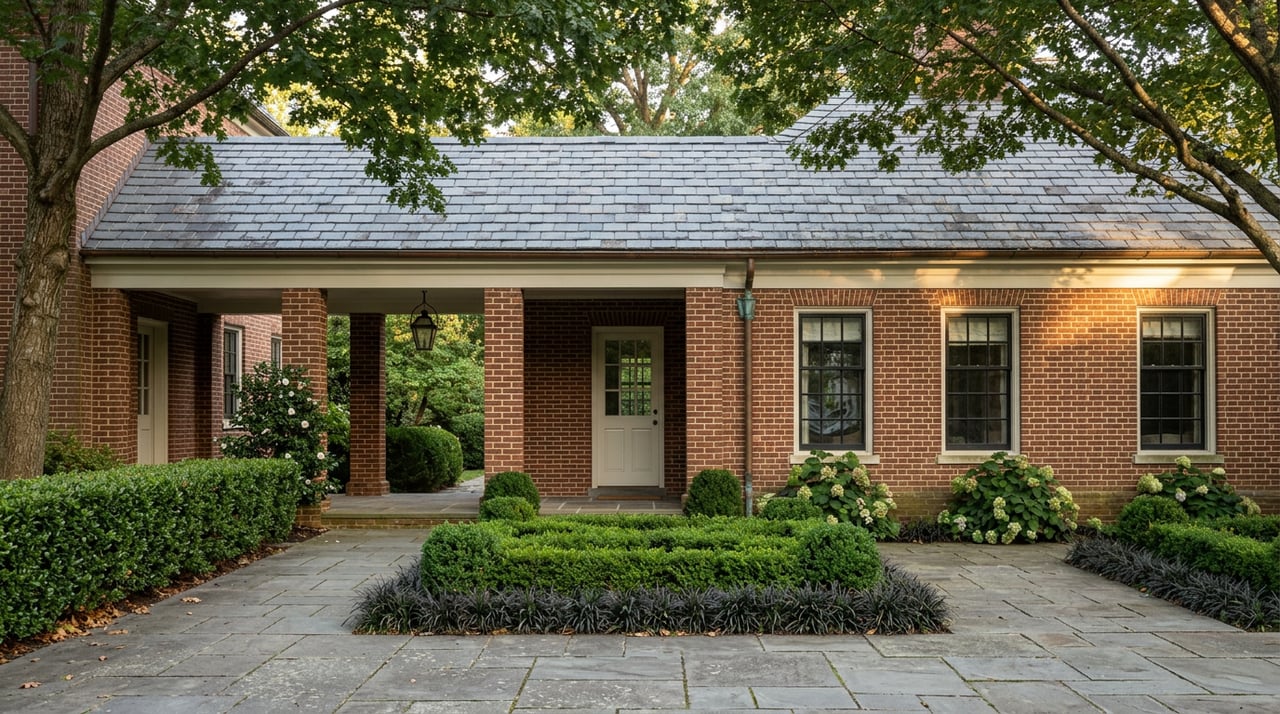
You will also see a wide mix of materials, including brick, clapboard, stone, slate, and terra cotta. That variety gives the neighborhood visual depth while still fitting within a cohesive historic setting.
The housing pattern changes by street. Larger residences are concentrated along Palisades Road and Wakefield Drive, while Huntington Road includes more bungalow and cottage-type homes. For buyers, that means home-by-home differences matter a great deal here.
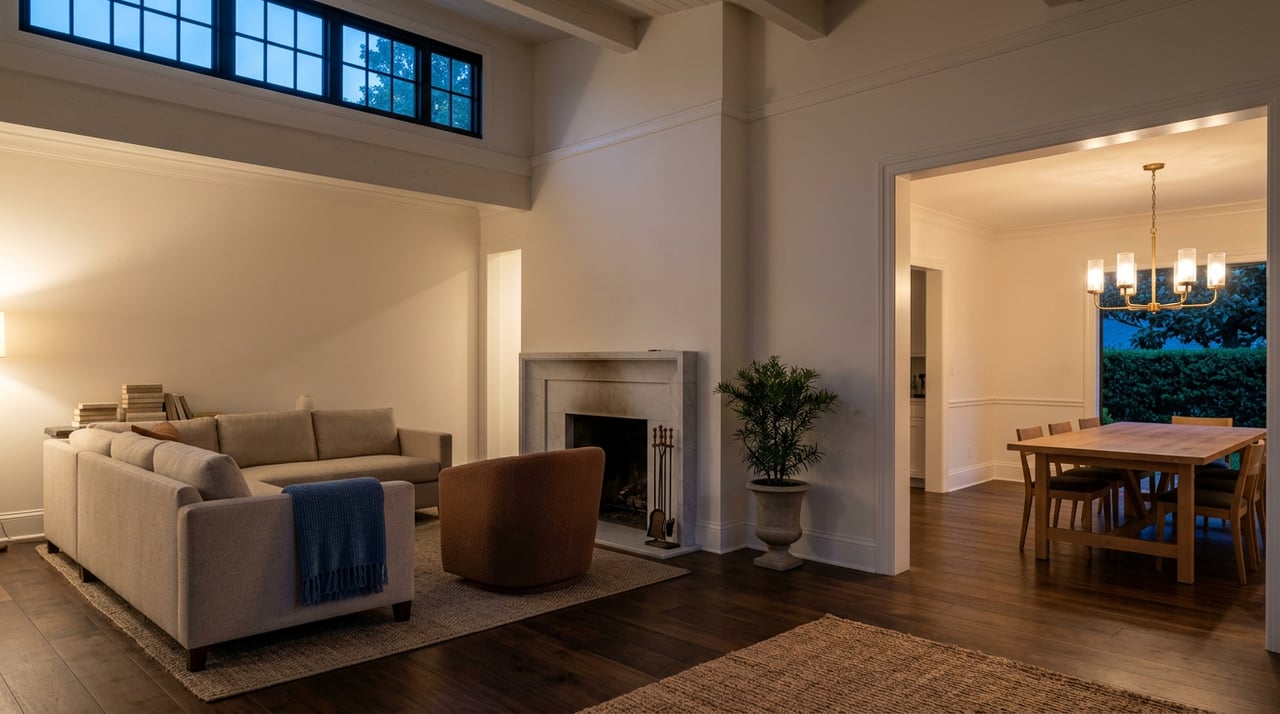
In Brookwood Hills, two homes with the same address appeal on paper can feel very different in person. Style, lot position, original character, and renovation level all influence how a property lives and how it may be valued by the market.
That is especially true in a preservation-minded neighborhood. Some buyers are drawn to original architectural details, while others want thoughtful updates that respect the home’s character. In this setting, careful property evaluation matters more than broad neighborhood averages.
One of the most appealing parts of Brookwood Hills is the neighborhood layout itself. City materials describe a picturesque curvilinear street plan, no-through-traffic planning, and a central recreation area that helps preserve an inward-facing, park-like character.
That design creates a different feel from a typical grid neighborhood. Even though Brookwood Hills sits in a highly connected part of Atlanta, the internal experience can feel calmer and more contained.
For many buyers, that is the sweet spot. You get access to Buckhead and Midtown while living in a neighborhood that feels established, green, and intentionally planned.
Brookwood Hills often appeals to buyers who want three things at once: intown convenience, architectural character, and a real neighborhood amenity culture. If you like the idea of a built-in club lifestyle instead of a purely residential setting, this neighborhood can be a strong fit.
It may also appeal to buyers who value walkability and a sense of place. Research cited in the report notes that many buyers place a high value on walkable communities and may pay more for them. In Brookwood Hills, that broader demand for connected, livable neighborhoods can support long-term appeal.
Design-focused buyers may also be especially interested here. Because the housing stock is varied and historically rooted, Brookwood Hills offers opportunities to find homes with craftsmanship, distinctive materials, and strong architectural identity.
The same features that make Brookwood Hills special can also narrow the buyer pool. Club dues and initiation fees are part of the ownership picture for many buyers to evaluate, and recurring community-related fees can affect mortgage underwriting and overall affordability.
That does not make the neighborhood less desirable. It simply means Brookwood Hills works best when you go in with a clear understanding of both lifestyle value and carrying costs.
You will also want to think beyond the headline amenity list. Questions about club access, membership timing, rules, and ongoing expenses are all worth reviewing early if the swim and tennis lifestyle is a key reason you are considering the neighborhood.
If you are selling in Brookwood Hills, the neighborhood story is a meaningful part of the marketing strategy. The most compelling themes are often the location between Buckhead and Midtown, the neighborhood-owned club amenities, the active social calendar, the protected green space, and the architectural character supported by the conservation district.
Brookwood Hills also benefits from a strong sense of identity. This is not a neighborhood buyers have to imagine into relevance. It already has a clear reputation, a long-running communication culture, and established traditions that help distinguish it from nearby options.
For that reason, effective marketing should go beyond square footage and finishes. It should show buyers how the home fits into the broader Brookwood Hills experience.
If you are considering a move into or out of Brookwood Hills, working with someone who understands the neighborhood block by block can make a real difference. Mary Stuart Iverson offers thoughtful guidance for buyers and sellers who want a clear, tailored strategy in one of Atlanta’s most distinctive intown neighborhoods.
Stay up to date on the latest real estate trends.
Mary Stuart Iverson is a member of Who’s Who In Luxury Real Estate / LuxuryRealEstate.com, an international network of real estate professionals operating in 195 countries and representing the finest residential luxury estates and property brokerages in the world.
Mary Stuart Iverson
1819 Peachtree Rd NE Ste 100 Atlanta GA 30309