Collier Hills for First-Time Buyers: Is It a Fit?
April 23, 2026
April 23, 2026
Wondering if Collier Hills is the kind of first intown purchase that feels smart today and still makes sense years from now? That is a fair question, especially when you are weighing charm, location, upkeep, and price all at once. If you are considering this part of Atlanta for your first intown home, here is what you should know about the housing stock, lifestyle, trade-offs, and buyer due diligence before you decide. Let’s dive in.
Collier Hills is generally described as a south Buckhead, intown Atlanta neighborhood with strong access to parks and trails, plus convenient proximity to Midtown and Downtown. According to Homes.com’s Collier Hills overview, the neighborhood offers a close-in location while still feeling more residential than many intown areas.
That balance is a big part of the appeal. If you want a detached home in an established neighborhood and also want to stay connected to the city core, Collier Hills stands out for exactly that reason.
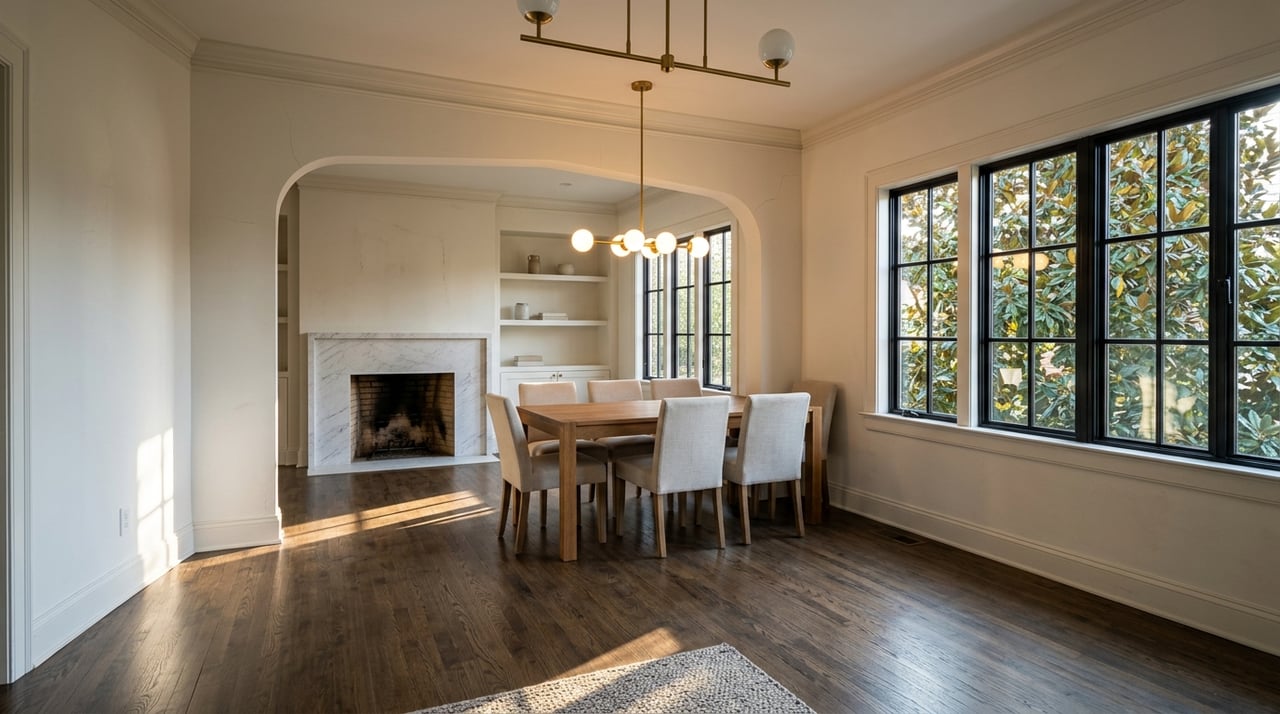
Much of Collier Hills developed during the late 1930s and 1940s. The neighborhood history shared by Collier Hills North notes that development restarted in 1937, major build-out took place in 1940 and 1941, and later 1940s construction tended to be somewhat larger.
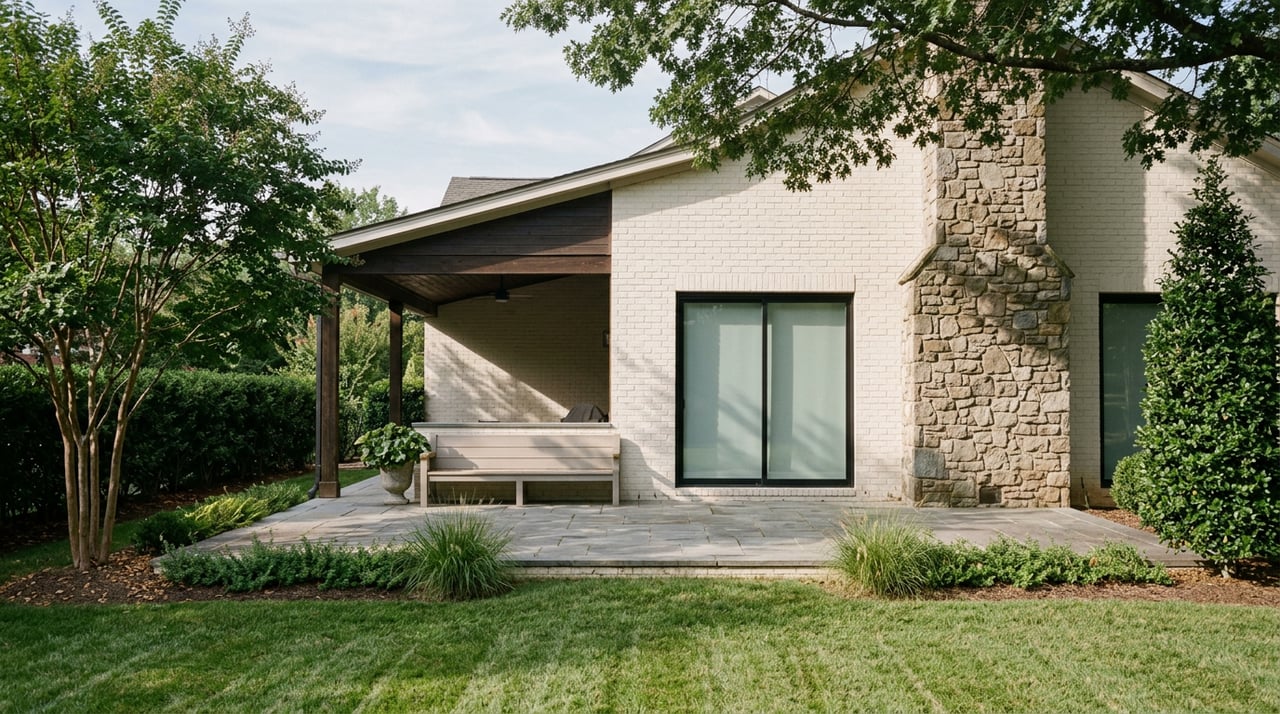
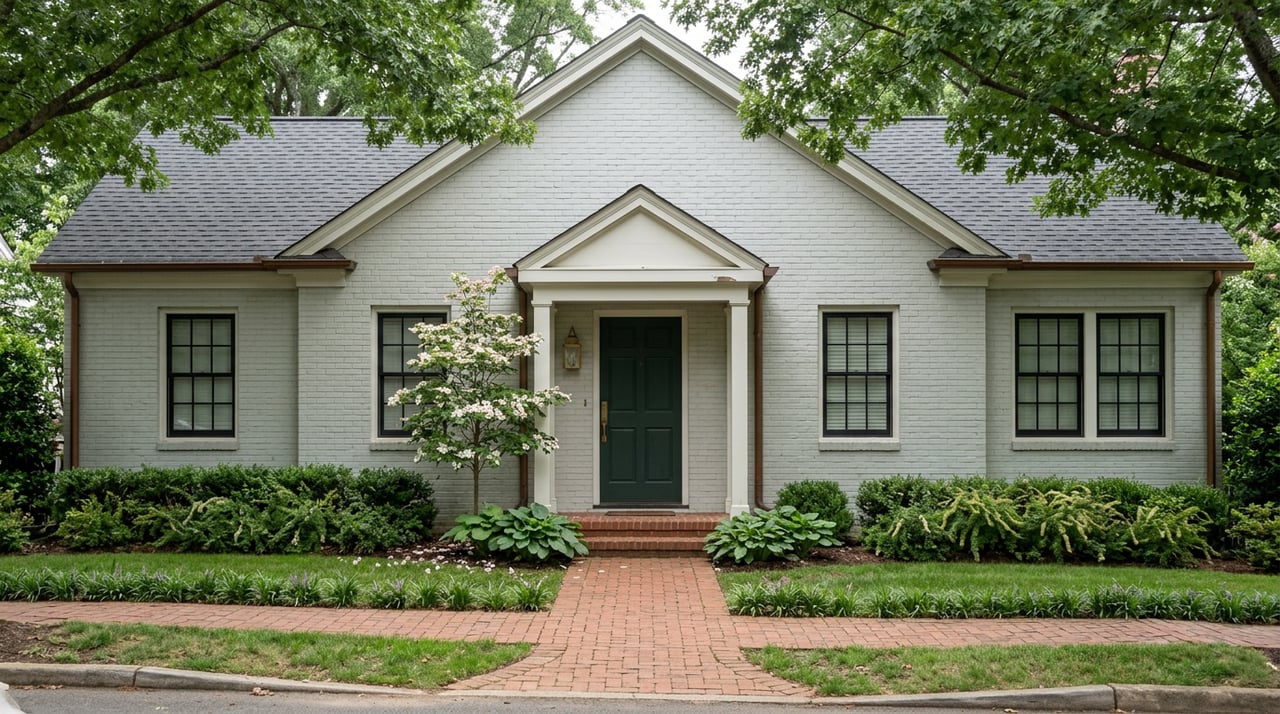
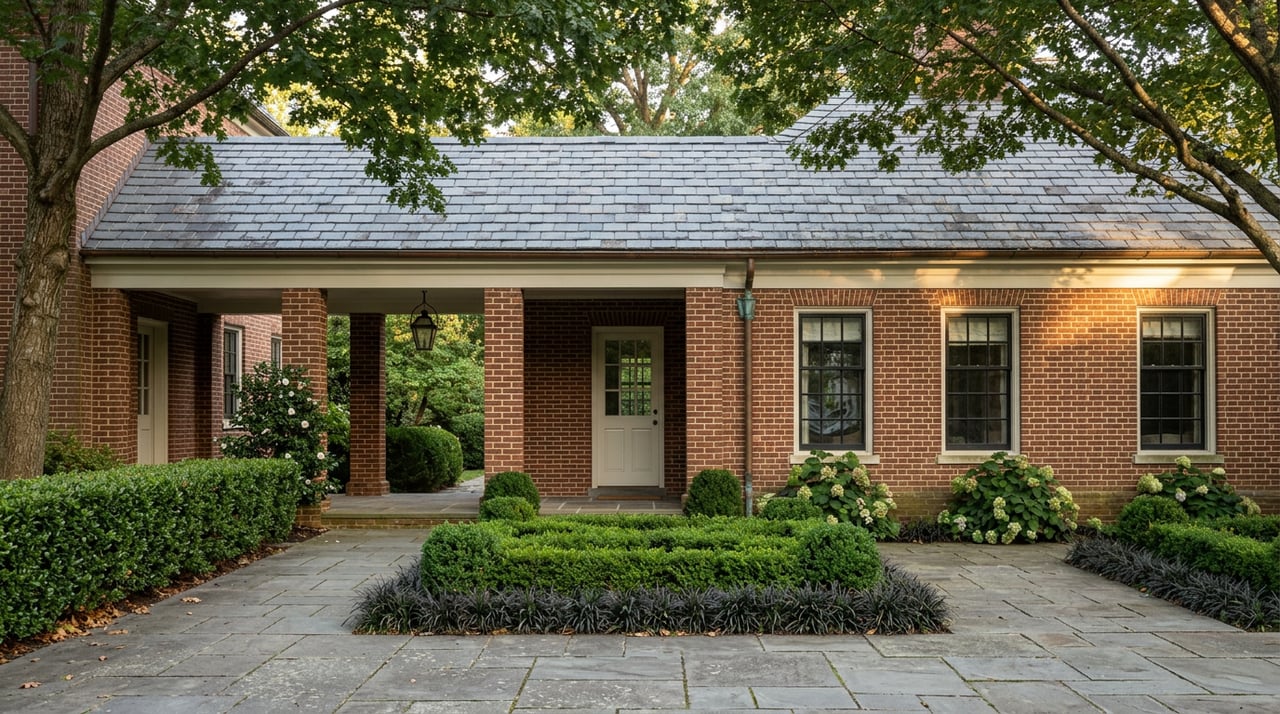
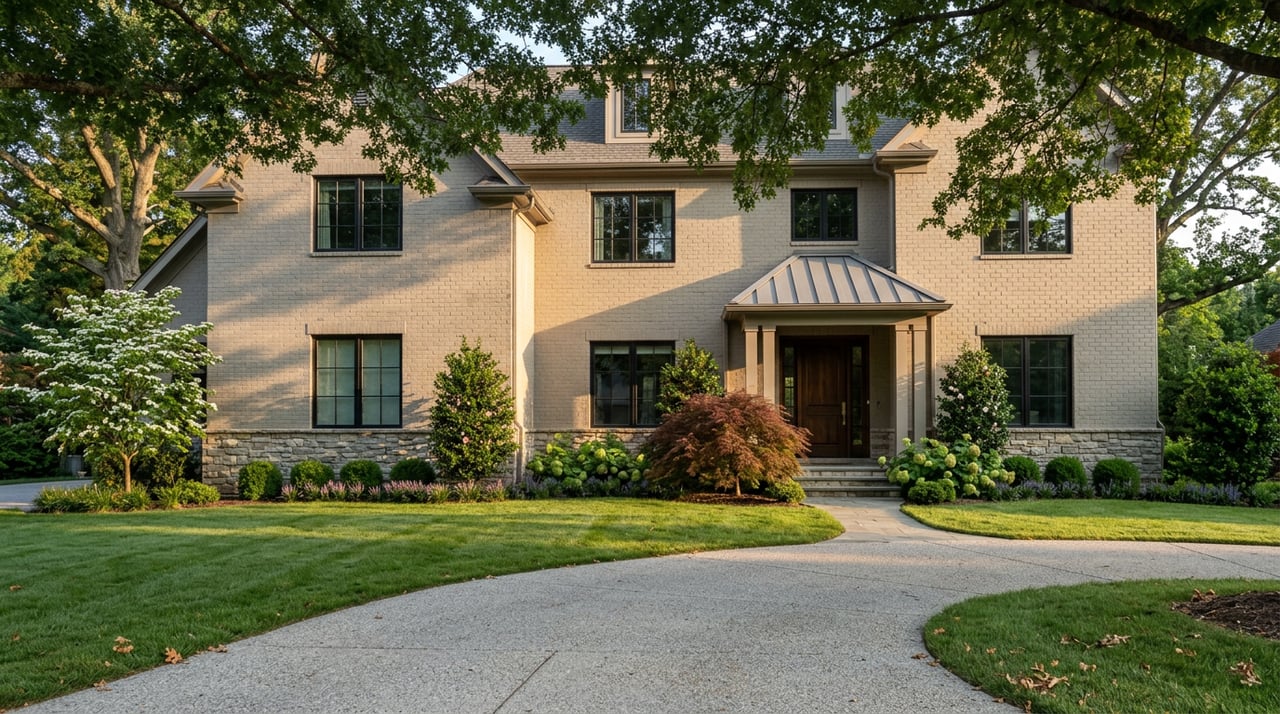
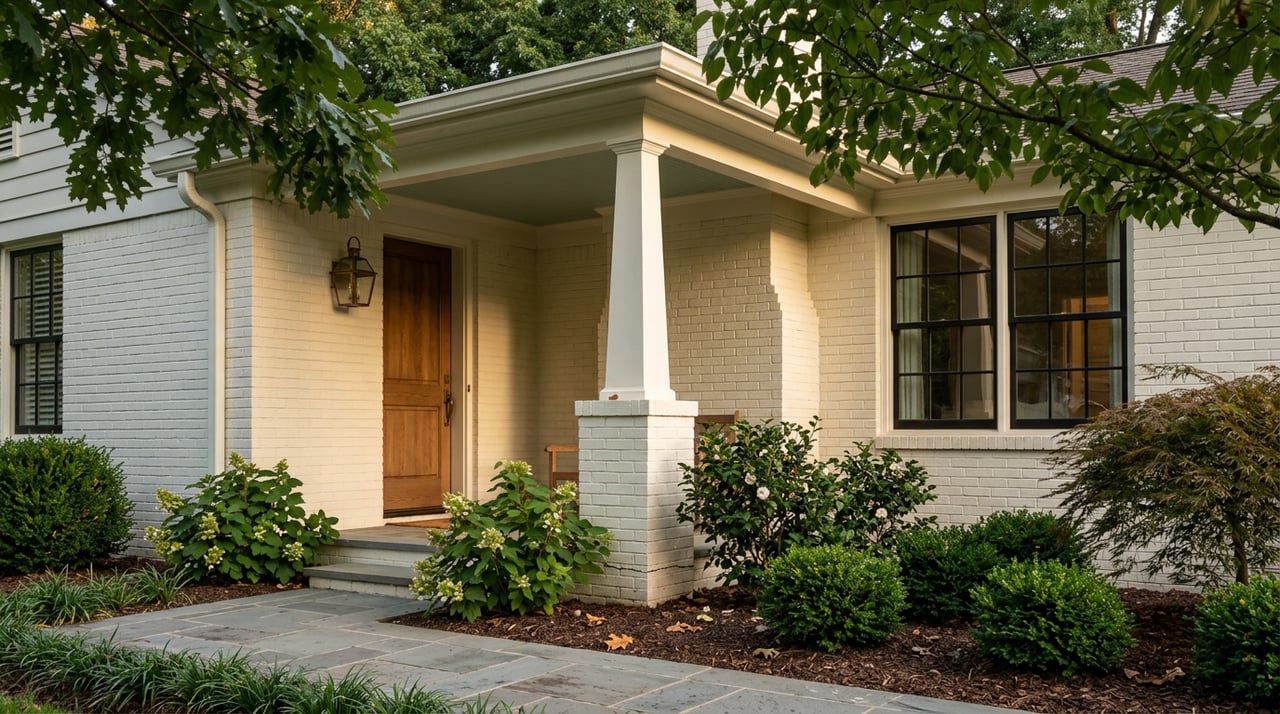
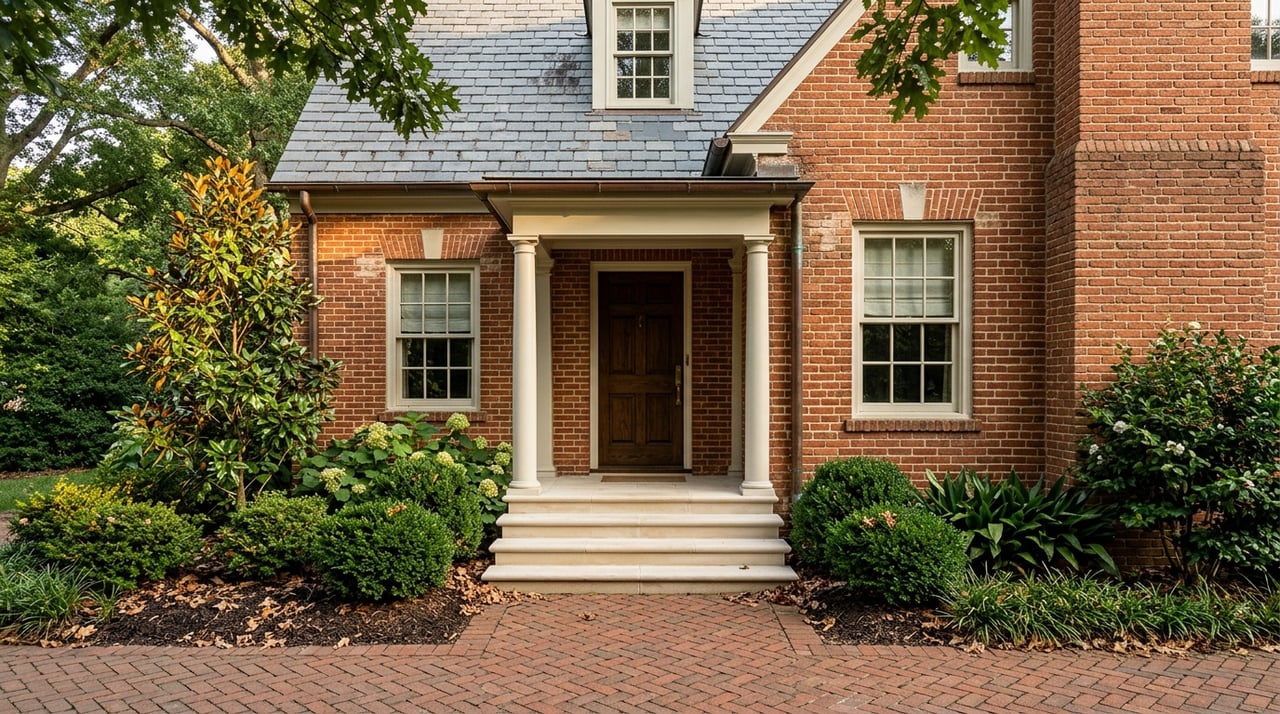
That history matters when you shop here. You are typically looking at older detached houses with historic-era forms rather than new construction, and many homes have been expanded over time at the rear or in attic spaces.
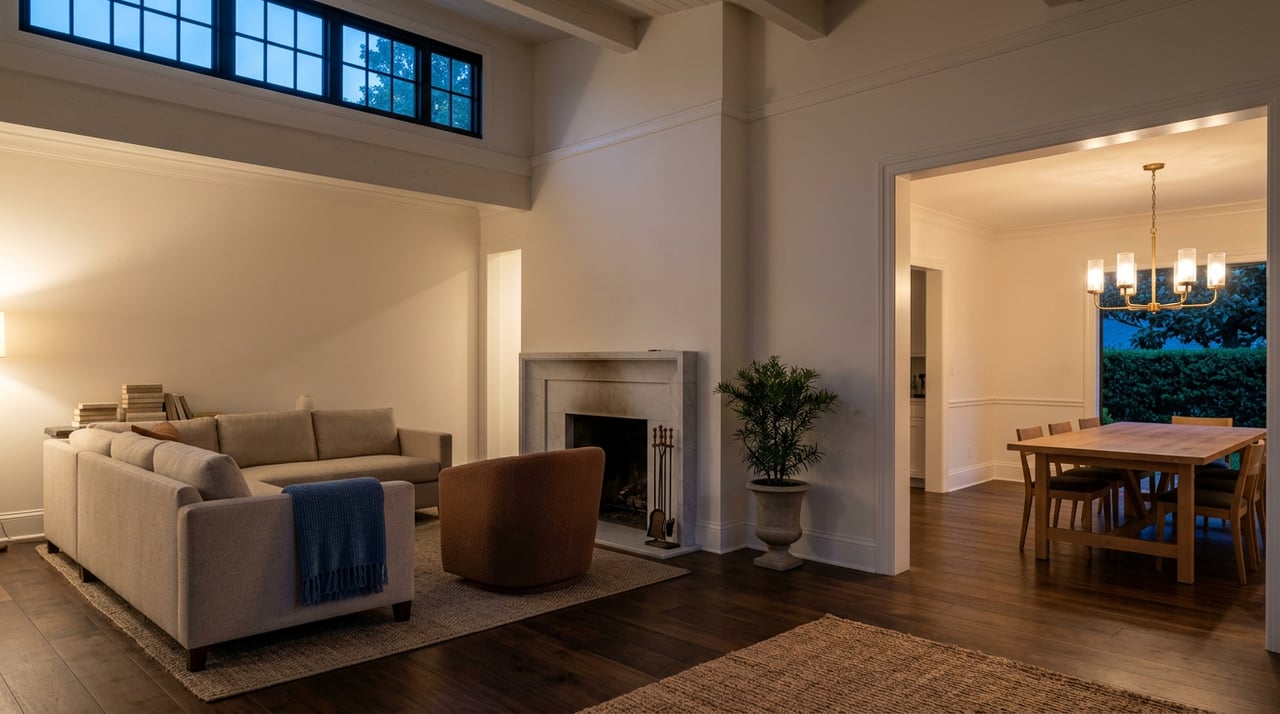
For many buyers, that translates to character and architectural charm. It can also mean floor plans, systems, and maintenance needs that differ from what you would find in a newer home.
Collier Hills is not an entry-level detached-home market by Atlanta standards. Recent 2025 and 2026 examples cited in the research report range from roughly 2,080 to 3,044 square feet and about $900,000 to $1.326 million, based on active and recent listing examples reported by Buckhead.com.
Market-wide, Redfin’s Collier Hills housing data shows a median sale price of $1.1M in March 2026, with homes averaging 7 days on market and a median sale price per square foot of $627. The same source also points to limited inventory, and the research report notes that Realtor.com currently shows only two homes for sale in the neighborhood.
For you, that means two things. First, you may need to move quickly when the right house comes up. Second, your purchase decision is likely less about finding the most square footage for the money and more about deciding whether this location and neighborhood character are worth the premium.
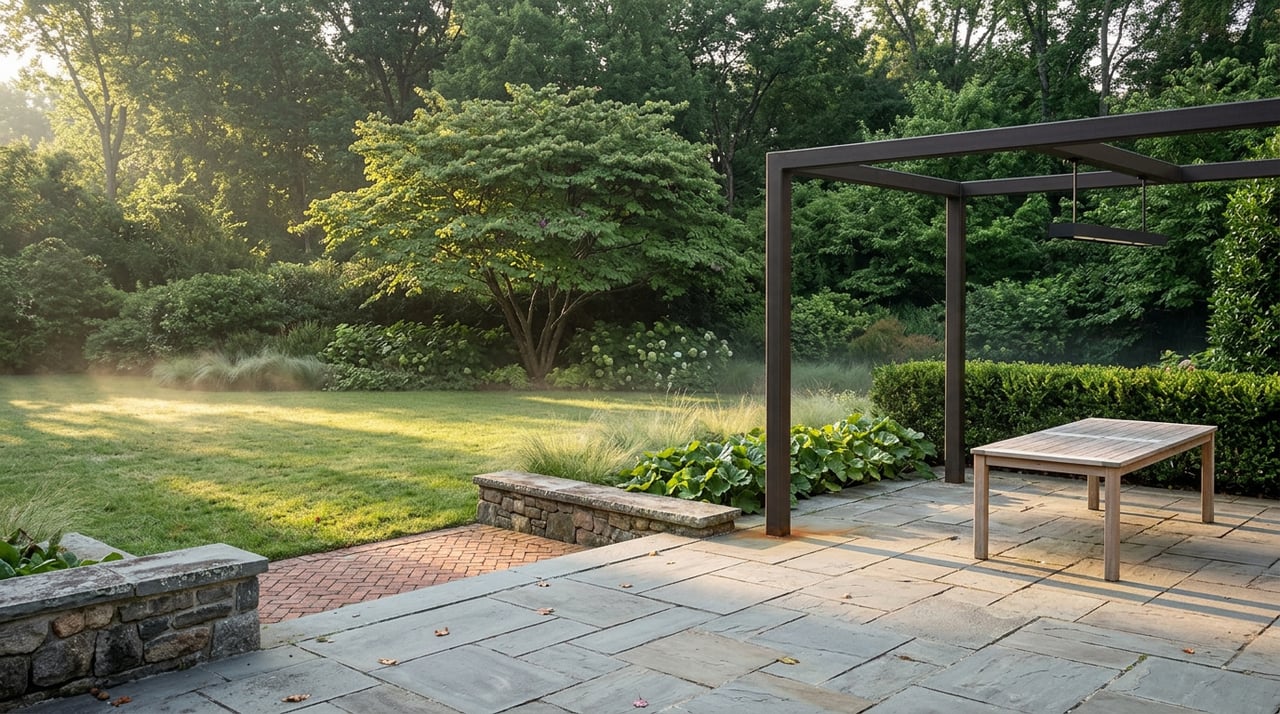
One of Collier Hills’ strongest lifestyle advantages is access to green space. The Atlanta BeltLine Northside Trail runs 2.9 miles from I-75 through Tanyard Creek Park to Peachtree Creek, giving the area a highly usable trail connection for walking, running, and everyday outdoor time.
The same source, along with city listings cited in the research report, also supports Collier Hills’ connection to Tanyard Creek Park, Atlanta Memorial Park, Bobby Jones Golf Course, and Bitsy Grant Tennis Center. In day-to-day terms, you are not just buying a house here. You are buying access to one of intown Atlanta’s more established park-and-trail settings.
If outdoor access is part of your ideal routine, that can be a meaningful advantage. For many first intown buyers, lifestyle value carries just as much weight as square footage.
Collier Hills offers close-in geography, but that does not automatically mean a car-free lifestyle. Homes.com’s local guide describes the neighborhood as car-dependent, with Midtown about 3 miles away and Downtown about 5 miles away, though rush-hour drives can stretch to 30 to 45 minutes.
Transit is available, but it should be verified by address. MARTA Route 12 currently serves the corridor from Midtown Station to the Cumberland Transfer Center along Howell Mill Road and Northside Parkway, and MARTA notes this is part of its NextGen bus network effective April 18, 2026.
If commute convenience is a top priority for you, it helps to think in practical terms. Collier Hills gives you good city access, but daily life still leans heavily on driving for many residents.
For the right buyer, Collier Hills checks several compelling boxes.
These advantages are grounded in the neighborhood’s location, housing history, and low-inventory market conditions reported in the research. If your priorities center on place, character, and outdoor access, Collier Hills can be very appealing.
This neighborhood also comes with real trade-offs. The research report points to the main ones clearly: high entry price, older-home maintenance, and commute patterns that still depend mostly on driving.
That combination is important for a first intown purchase. If you need turnkey construction, prefer newer systems, or want the most house for the money, Collier Hills may feel less forgiving than other options.
The neighborhood tends to make the most sense when you value intown location and established character enough to accept both the premium and the maintenance profile. In other words, this is often a lifestyle-first purchase, not a value-engineering purchase.
Because so much of the housing stock dates to the 1940s or earlier, inspection and due diligence should be taken seriously. If you are buying in Collier Hills, you should expect an older-home review to go well beyond cosmetic features.
The EPA’s lead-based paint disclosure guidance notes that most housing built before 1978 falls under lead-disclosure rules. That is an essential baseline for many homes in this neighborhood.
The research report also notes that the Georgia Department of Agriculture highlights Georgia Wood Infestation Inspection Reports for termite-related due diligence. In a market with older homes, pest history and current conditions deserve careful review.
Radon should not be overlooked either. UGA Radon guidance referenced in the research report recommends testing, with mitigation generally considered when levels exceed 4 pCi/L.
On the systems side, Energy.gov’s inspection guidance explains that inspectors use moisture meters to look for plumbing leaks or flooding damage and electrical testers to confirm grounding. The same source also advises buyers to look for air leaks, inadequate insulation, and moisture problems around windows, doors, outlets, switches, plumbing fixtures, and attic penetrations.
If you are serious about Collier Hills, keep this checklist in mind during your home search and contract period:
A well-located older home can be a great long-term purchase, but only if you understand what you are buying before closing.
The answer depends on what you value most. If you want a detached home in an established intown neighborhood, care deeply about park and trail access, and are comfortable competing in a high-price, low-inventory market, Collier Hills may be a strong fit.
If your top priority is newer construction, lower maintenance, or stretching your budget for more space, this neighborhood may feel like a compromise. Based on the housing age, pricing, and market conditions in the research, Collier Hills tends to reward buyers who are intentional about location and lifestyle, and realistic about upkeep.
That is where clear strategy matters. If you want help weighing Collier Hills against other intown options, Mary Stuart Iverson can help you evaluate the trade-offs, identify the right fit, and move with confidence when the right home hits the market.
Stay up to date on the latest real estate trends.
Mary Stuart Iverson is a member of Who’s Who In Luxury Real Estate / LuxuryRealEstate.com, an international network of real estate professionals operating in 195 countries and representing the finest residential luxury estates and property brokerages in the world.
Mary Stuart Iverson
1819 Peachtree Rd NE Ste 100 Atlanta GA 30309