How Ansley Park Atlanta Homes Compare Intown
April 2, 2026
April 2, 2026
Trying to choose between Ansley Park and other intown Atlanta neighborhoods? If you are weighing lifestyle, architecture, commute, and price all at once, the options can start to blur together fast. The good news is that each neighborhood has a very distinct feel, and once you understand the tradeoffs, your shortlist gets much clearer. If Ansley Park is on your radar, here is how it compares to Midtown, Virginia-Highland, and Morningside-Lenox Park. Let’s dive in.
Ansley Park stands apart because it offers a rare mix of estate-style living and intown access. According to the American Planning Association’s profile of Ansley Park, it is a 275-acre National Register Historic District designed as a garden suburb with curving streets, 14 parks, and no home more than a 10-minute walk from one of those green spaces.
That park-first design is a major reason buyers continue to see Ansley Park as a premium option. The neighborhood is bordered by Piedmont Park and Ansley Golf Club, and the same planning source notes that roughly 30 percent of the neighborhood footprint is made up of its linear greenway park system.
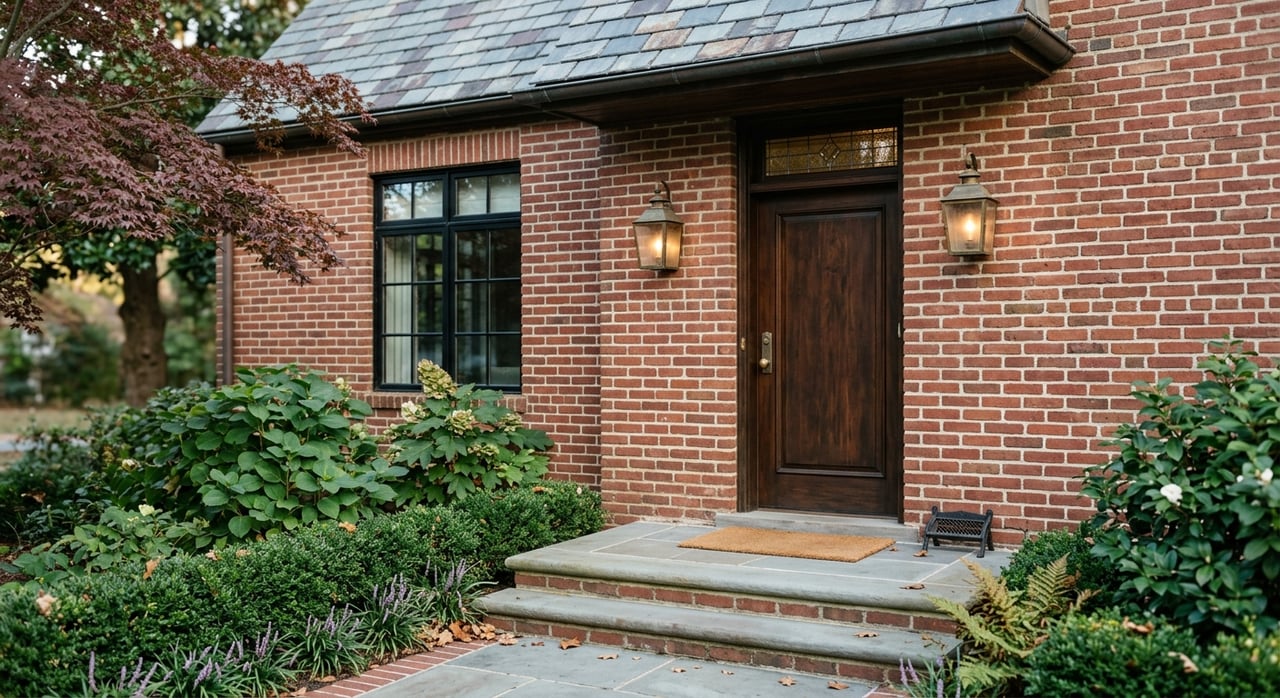
If your goal is a neighborhood that feels residential, gracious, and established without giving up intown convenience, Ansley Park is the standout in this group. The streets are wider, the homes tend to feel larger, and the overall setting has more breathing room than most nearby options.
That does not mean every property is a traditional estate home. Ansley Park also includes apartments, condos, townhouses, and garage apartments, but the overall impression is still more expansive than what you will typically find in Midtown, Virginia-Highland, or Morningside.
Ansley Park has one of the most varied architectural mixes in intown Atlanta. The neighborhood includes examples of Modern, Baroque, Craftsman, Tudor, Queen Anne, Italianate, and Prairie School design, according to the APA neighborhood overview.
For design-minded buyers, that variety matters. If you enjoy historic homes but do not want a neighborhood that feels visually repetitive, Ansley Park offers more range than many intown alternatives.
Some neighborhoods have access to parks. Ansley Park is shaped by them. Between its internal greenway system, wooded yards, and direct relationship to Piedmont Park, the neighborhood delivers a landscape experience that is harder to replicate elsewhere intown.
Midtown is the most urban and transit-oriented option in this comparison. The broader district functions as a mixed-use core with apartments, office buildings, and four MARTA rail stations, while Midtown Alliance highlights extensive sidewalks, bike lanes, bus service, circulators, and easy access to I-75/85.
If you want to live car-light, Midtown is the clearest choice. Midtown Alliance also notes that 96 percent of Midtown office buildings are within a 6-minute walk of transit, which helps explain why it works so well for buyers prioritizing access and day-to-day mobility.
Ansley Park is nearby, but it lives very differently. It was originally planned more as an auto suburb, with wide curving roads and a residential layout that feels quieter and more expansive than Midtown’s street grid. That said, those same streets can attract cut-through traffic, and both local planning sources and community groups have focused on traffic calming and collector-street management over time.
In simple terms, Midtown offers more urban energy and easier transit use. Ansley Park offers more residential scale, more greenery, and more of a legacy-neighborhood feel.
The market gap between these two areas is significant. Using Redfin’s February 2026 all-home-type medians, Ansley Park’s median price is $1,534,000, while Midtown Atlanta sits at $416,000.
That spread reflects more than size alone. It also reflects differences in land pattern, housing form, and the premium many buyers assign to historic character, park adjacency, and larger-house living in a central location.
Virginia-Highland is the most village-like of the four neighborhoods. The National Park Service nomination form describes a neighborhood shaped by multiple small subdivisions, with Craftsman bungalows, English Vernacular Revival cottages, Colonial Revival, and Mediterranean homes.
The streetscape is part of the appeal. Uniform setbacks, deep front lawns, sidewalks, tree cover, and stone curbs create a cohesive, park-like setting that feels intimate and classic.
If Virginia-Highland feels charming and village-oriented, Ansley Park feels broader and more estate-like. You may still find architectural variety in both neighborhoods, but Ansley Park generally delivers wider roads, larger houses, and a more open, landscaped setting.
Virginia-Highland is often a strong fit if you love bungalow character and a more compact neighborhood pattern. Ansley Park tends to appeal more to buyers who want historic architecture with a bigger footprint and a more formal residential feel.
Virginia-Highland’s traffic pressure is more concentrated along Monroe Drive and the neighborhood edges. The Virginia-Highland master plan update calls for road diets, safer crossings, gateways, and other measures to make Monroe feel more like a neighborhood street.
Ansley Park also deals with traffic issues, but for different reasons. Its original wide-road design can invite speeding and cut-through traffic, so the challenge is less about a single corridor and more about managing movement through a park-oriented residential layout.
There is also a notable pricing gap here. Redfin’s February 2026 medians place Virginia-Highland at $558,600, compared with $1,534,000 in Ansley Park.
That lower entry point helps explain Virginia-Highland’s broad appeal. If you want intown charm and a classic historic housing stock at a lower median price, Virginia-Highland may offer a more accessible path than Ansley Park.
Morningside-Lenox Park is the closest lifestyle comparison if you are focused on a primarily single-family neighborhood with a green feel. The difference is that Morningside tends to be more lot-constrained. According to the Morningside Lenox Park Association, homes are often built on smaller lots and closer together, which can limit additions and shape renovation decisions.
Architecturally, Morningside leans toward Tudor eclectic, Cotswold, and other revival styles, with brick, granite, and stone facades. The MLPA walking tour also reinforces that the neighborhood is eclectic rather than uniform.
This is where the contrast becomes clear. Morningside offers a leafy residential experience, but Ansley Park typically gives you more of the scale that buyers associate with legacy intown homes. Larger houses, wider roads, and a more dramatic green framework all contribute to that difference.
Morningside does have a strong park network. The MLPA parks overview says the neighborhood includes more than 20 parks, preserves, landscaped traffic islands, and greenspaces, including Morningside Nature Preserve and Herbert Taylor Park. Even so, Ansley Park remains the more park-dominant residential landscape overall.
Both neighborhoods are active on traffic management, but their issues are somewhat different. Morningside’s master plan includes all-way stops, speed bumps, roundabouts, bike lanes, speed readers, pedestrian refuges, and added sidewalks, as outlined by the MLPA master plan.
Ansley Park’s concerns are tied more directly to its curving collector streets and cut-through traffic patterns. So while both areas are working to preserve neighborhood livability, the street experience feels different on the ground.
Price-wise, Morningside-Lenox Park sits between Virginia-Highland and Ansley Park. Redfin’s February 2026 data puts Morningside-Lenox Park at $1,247,500, still firmly upper-end but below Ansley Park’s $1,534,000 median.
For many buyers, that makes Morningside a compelling middle ground. You still get a well-established intown neighborhood with strong architectural character, but without paying quite the same premium associated with Ansley Park’s scale and park adjacency.
Here is the clearest way to think about the tradeoffs:
None of these neighborhoods is interchangeable. They each solve a different lifestyle equation, and the right fit depends on whether you prioritize space, transit, architecture, greenery, or price.
Ansley Park’s premium is not just about prestige. It comes from a specific combination that is hard to find elsewhere intown: historic district status, larger-scale homes, internal parkland, adjacency to major destination green space, and a setting that feels both established and central.
For buyers relocating to Atlanta or moving up within the city, that combination can be especially compelling. You are not just buying a house. You are choosing how your daily environment feels, from the scale of the streets to the amount of greenery around you to the overall rhythm of the neighborhood.
If you are comparing Ansley Park with other intown Atlanta options, a clear neighborhood-by-neighborhood strategy can save you time and help you focus on the places that truly match your goals. If you want tailored guidance on where you will get the best fit and value, connect with Mary Stuart Iverson for expert, hyperlocal advice on Atlanta’s most distinctive intown neighborhoods.
Stay up to date on the latest real estate trends.
Mary Stuart Iverson is a member of Who’s Who In Luxury Real Estate / LuxuryRealEstate.com, an international network of real estate professionals operating in 195 countries and representing the finest residential luxury estates and property brokerages in the world.
Mary Stuart Iverson
1819 Peachtree Rd NE Ste 100 Atlanta GA 30309