
Buying Near Memorial Park in Atlanta: Real Estate Guide
April 16, 2026
April 16, 2026
Buying near Memorial Park can feel like finding the sweet spot in Buckhead: green space, trail access, and a well-established residential setting all in one. But this is also an area where block-by-block differences matter, especially when you look at topography, creek proximity, and how close a home sits to the public trail network. If you are thinking about buying here, a little extra due diligence can help you make a smarter decision and avoid surprises later. Let’s dive in.
When buyers say they want to live near Memorial Park, they are usually talking about the Buckhead pocket centered around Atlanta Memorial Park, a 199-acre community park at 384 Woodward Way NW. City materials place the park along Peachtree Creek on the west side of Northside Drive.
That sounds simple, but the area is not one uniform pocket. The park, creek corridor, surrounding streets, and trail connections create several micro-locations, each with a different feel in terms of access, privacy, and exposure.
If you only remember one thing before buying near Memorial Park, make it this: flooding is the key due-diligence issue. The Atlanta Memorial Park Conservancy says its work grew out of the historic flood of 2009, with a focus on Peachtree Creek bank erosion, water quality, and flood-related sewer overflow issues.
The City of Atlanta has also documented drainage-related improvements in the park over time, including pipes, culverts, trail surfacing, and work in low-lying areas. The city has noted that the newer playground was built on higher ground on Wesley Drive because of the park’s flooding issues, which shows how much elevation can matter here.
For buyers, the main takeaway is that flood risk should be evaluated lot by lot, not neighborhood by neighborhood. A home near the creek, a drainage swale, or a lower section of the area may have a very different risk profile than a home just a few streets away.
Before you get too far into a purchase, review the property through the FEMA Flood Map Service Center and, if needed, look at the USGS flood-inundation mapping for Peachtree Creek. These public tools can help you better understand whether a specific lot may deserve closer review.
They should not replace your full inspection and due diligence process, but they are an important starting point. In an area shaped by a creek and varying topography, they can help you ask better questions from day one.
When you tour a home, do not stop at the usual questions about age and updates. In this area, you should also ask about:
These questions are especially important for homes closer to Peachtree Creek or visibly lower ground. Even a beautiful lot can come with maintenance or drainage considerations that are worth understanding before you buy.
One of the biggest reasons buyers are drawn to this area is the trail and green-space access. The Conservancy’s connectivity plan includes sidewalks, nature trails, and multi-use trails on both sides of Northside Drive, with connections around Bobby Jones Golf Course, Bitsy Grant Tennis Center, and the BeltLine’s NW Trail.
The BeltLine’s Northside Trail is described as a 2.9-mile route from I-75 through Tanyard Creek Park to Peachtree Creek. Public improvements such as the Northside Drive underpass also support easier movement between Atlanta Memorial Park and Bobby Jones Golf Course.
For many buyers, that connectivity is a real part of the appeal. It can support an active lifestyle and create convenient access to outdoor amenities without leaving the neighborhood.
Homes closest to park entries, trail connections, or other public-use corridors may offer the strongest convenience and green-space appeal. At the same time, those same homes may feel a little more exposed than properties on quieter interior streets.
That does not make one location better than another. It simply means you should think clearly about your own priorities, whether that is quick trail access, a more tucked-away setting, or a balance of both.
Near Memorial Park, elevation is not a small detail. City and conservancy materials both point to the difference between higher-ground areas and low-lying, drainage-sensitive sections.
In practice, that means the feel and function of a lot can change meaningfully from one block to the next. Two homes may be close on a map but have very different grading, runoff patterns, and yard usability.
When you evaluate a property, pay attention to more than finishes and floor plan. Take a close look at:
This kind of close observation is especially important in an established neighborhood with mature landscaping and older homes. The setting is part of the charm, but it can also shape upkeep and long-term ownership costs.
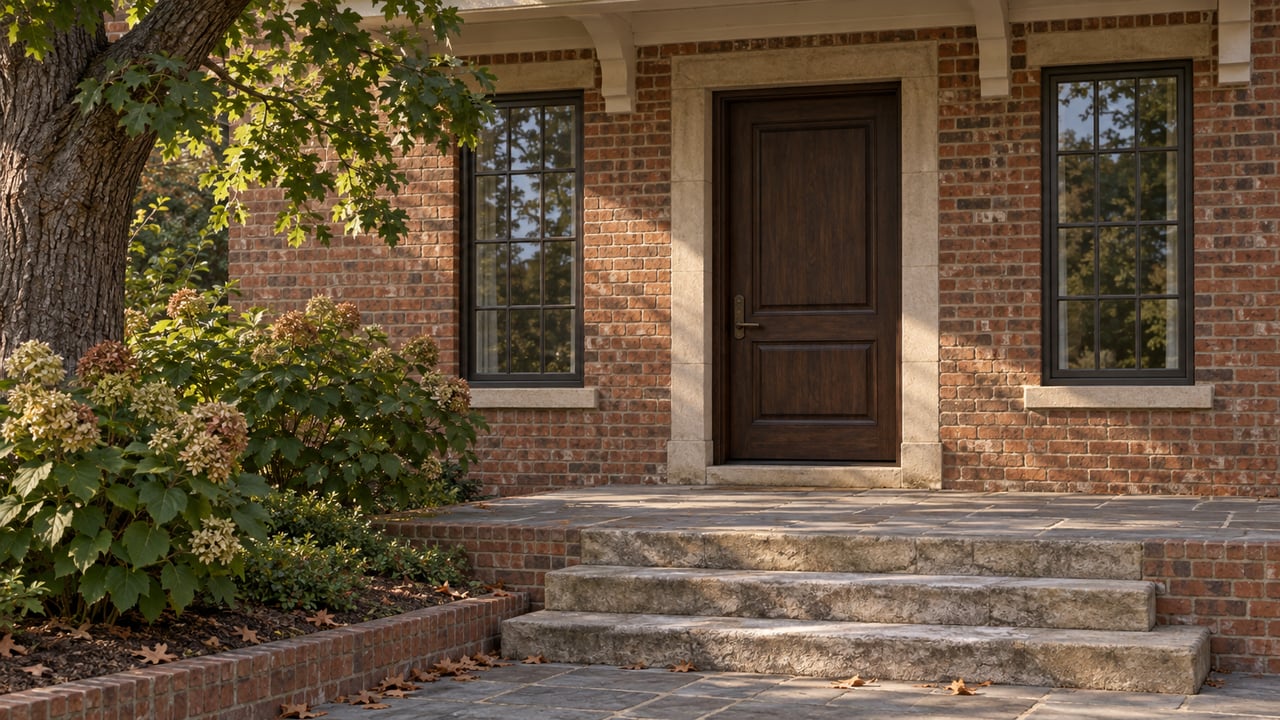
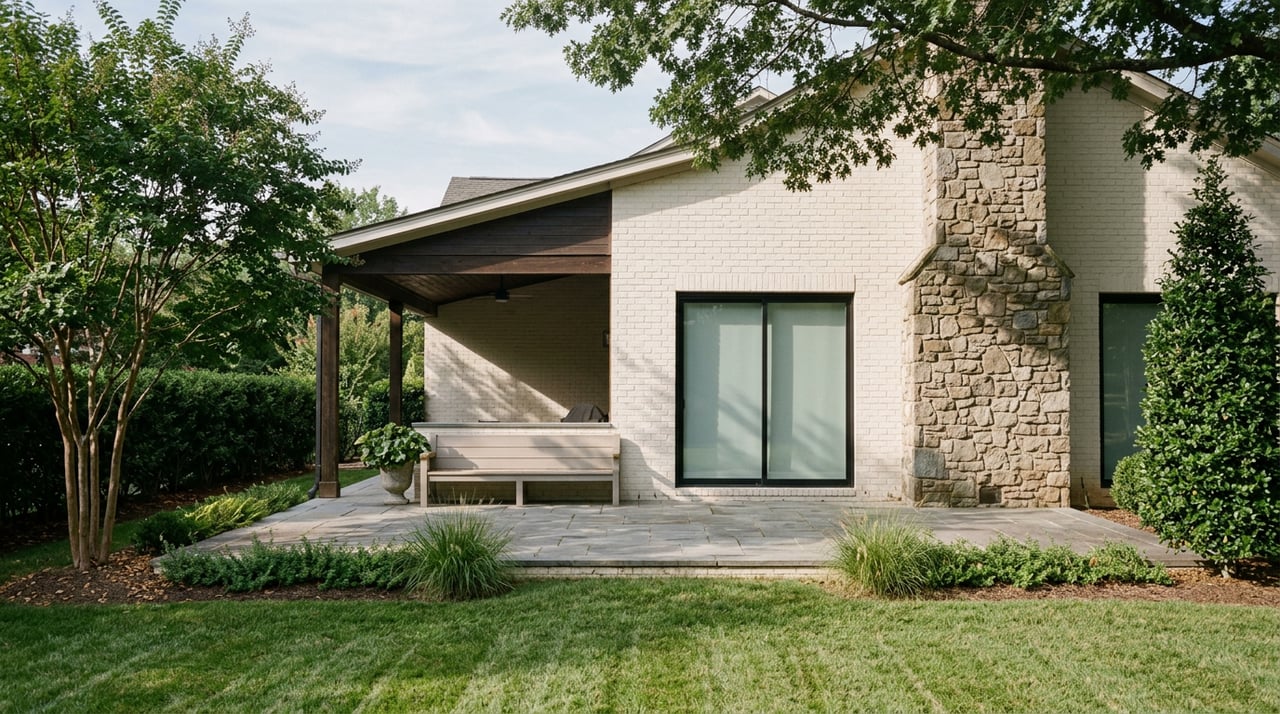
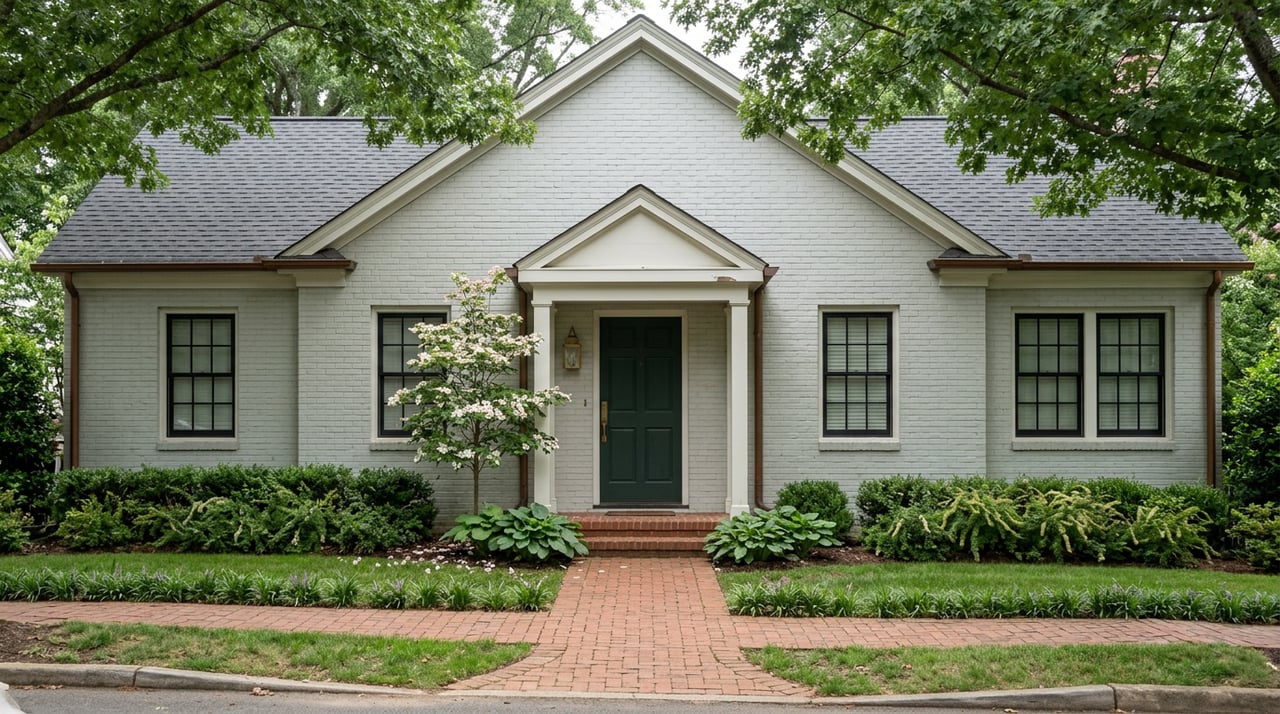
Part of Memorial Park’s appeal is that it does not feel cookie-cutter. According to Homes.com’s neighborhood guide, common housing styles include Cape Cod cottages, Tudor Revivals, and raised ranches.
The same source reports a median year built of 1950 and an average single-family size of about 2,791 square feet. That suggests a mix of original mid-century homes, renovated properties, and some newer or expanded homes woven into the area.
If you are buying an older home near Memorial Park, it is wise to look closely at how the property has been updated over time. Renovation quality, drainage work, grading changes, and additions can all affect how the home performs.
In this type of housing stock, two homes with similar square footage can differ a lot in layout, infrastructure, and overall condition. A thoughtful inspection process matters.
If public school zoning is part of your search, do not assume an assignment based on the neighborhood name alone. Atlanta Public Schools says attendance zones are based on the legal tax-record address, and its School Zone Locator is the official way to confirm an assignment for the 2025-26 year.
Some neighborhood guides commonly associate this area with Brandon Elementary, Sutton Middle School, and North Atlanta High School. Even so, the right approach is to verify the exact address before making decisions.
Attendance boundaries can be more specific than many buyers expect. If schools are a meaningful factor in your purchase, confirming the legal tax-record address early can help you avoid confusion later in the process.
This is one of the easiest due-diligence steps you can take, and one of the most important if school assignment affects your home search.
Recent market snapshots point to a tight and expensive micro-market, though the figures vary by source and methodology. Homes.com reports a median sale price of about $1.315 million over the last 12 months, with 34 sales, 1.8 months of supply, and a median year built of 1950.
The same research summary notes that Zillow’s Memorial Park home-value index was $1,258,558 as of 2/28/2026, up 4.2% year over year, while Redfin reported a $1.7 million median sale price last month. These numbers are not directly comparable, but together they suggest a low-inventory, upper-end market where buyers should be prepared and decisive.
In a tighter micro-market, clarity matters. You will want to know your priorities before you start touring in earnest, especially around flood exposure, privacy, trail adjacency, lot topography, and housing style.
That preparation can help you move faster when the right property appears. It can also help you avoid overreacting to a home that looks great online but does not align with your practical needs once you assess the lot and location more carefully.
Before buying near Memorial Park, keep this short checklist in mind:
The best Memorial Park purchase is not just about finding a pretty house near green space. It is about matching the right property to your lifestyle while understanding the site-specific details that can affect day-to-day living.
If you are considering a move near Memorial Park, working with a local advisor who understands Atlanta’s street-by-street nuances can make the search far more efficient. Mary Stuart Iverson brings deep Atlanta roots, thoughtful buyer guidance, and a highly local perspective to help you evaluate not just the home, but the context around it.
Stay up to date on the latest real estate trends.


Mary Stuart Iverson is a member of Who’s Who In Luxury Real Estate / LuxuryRealEstate.com, an international network of real estate professionals operating in 195 countries and representing the finest residential luxury estates and property brokerages in the world.

Mary Stuart Iverson
1819 Peachtree Rd NE Ste 100 Atlanta GA 30309